

Principle and Working Scene Characteristics of Quicklime Material Pneumatic Conveying Systems
HeadPowder, a leading engineering company based in Shandong, China, specializes in the design and implementation of advanced pneumatic conveying systems tailored for handling quicklime materials. This article explores the fundamental principles behind these systems and highlights the key characteristics of their operational environments, providing a comprehensive overview for industry professionals seeking efficient material transport solutions.
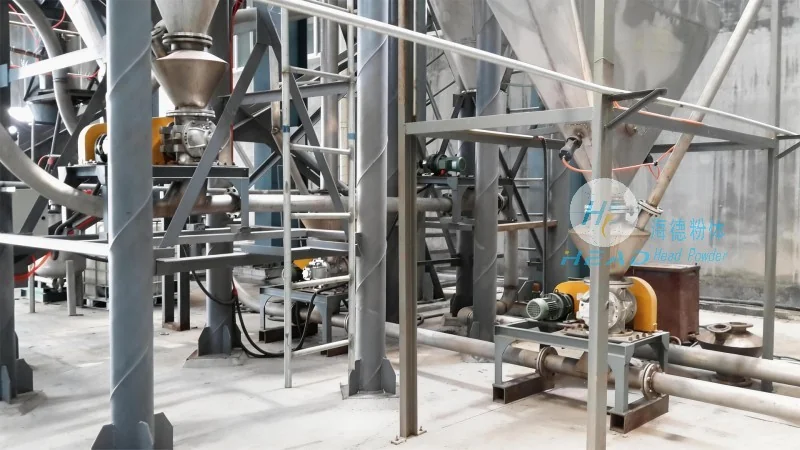
The Core Principle of Pneumatic Conveying for Quicklime
The pneumatic conveying system for quicklime operates on the principle of transporting bulk materials through a pipeline using a stream of air or other gas. In this system, quicklime particles are introduced into a hopper or feeder, where they are then drawn into a pipeline by a fan or blower. The air flow creates a pressure differential that propels the material through the system, ensuring a continuous and controlled movement from the source to the destination. This method eliminates the need for mechanical components like belts or buckets, reducing maintenance requirements and enhancing safety in material handling operations.
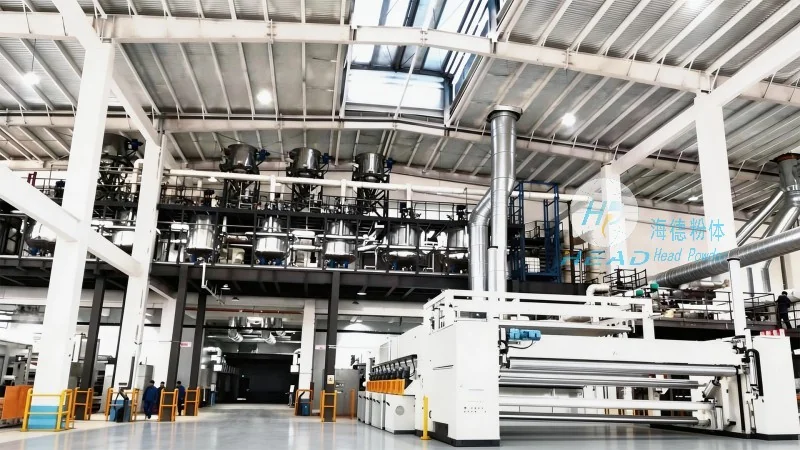
Key Working Scene Characteristics
The operational characteristics of quicklime pneumatic conveying systems are defined by several critical factors that influence their performance and suitability for specific applications. Firstly, the system's design must accommodate the unique physical properties of quicklime, such as its fine particle size and potential for dust generation. The conveying velocity and pressure levels are carefully calibrated to prevent particle degradation and minimize dust emissions, which is crucial for maintaining air quality and compliance with environmental regulations. Secondly, the system's scalability is a significant advantage, as it can be adapted to handle varying material volumes and distances, from short-distance transfers within a facility to long-distance transport across industrial sites. Additionally, the system's flexibility allows for integration with existing infrastructure, enabling seamless incorporation into existing production lines without extensive modifications. The working environment also includes considerations for material handling efficiency, as the system can operate continuously, reducing downtime and improving overall productivity. Furthermore, the system's reliability is enhanced by its closed-loop design, which minimizes material spillage and contamination, ensuring that the quicklime remains in a controlled state throughout the conveying process.
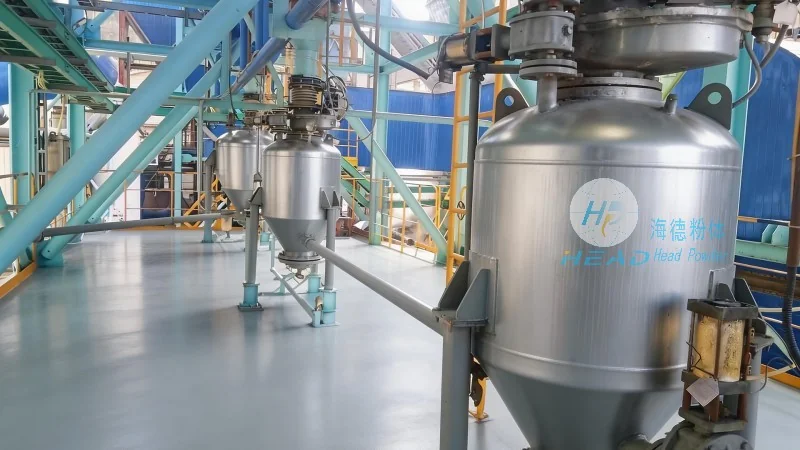
Advantages in Practical Applications
When deployed in real-world scenarios, quicklime pneumatic conveying systems offer several advantages that make them a preferred choice for industrial applications. The primary benefit is the significant reduction in labor costs associated with manual material handling, as the system automates the transport process, minimizing the need for human intervention. This not only improves safety by eliminating exposure to dust and heavy lifting but also increases operational efficiency by allowing workers to focus on other critical tasks. Another key advantage is the system's ability to handle large volumes of material with minimal space requirements, as the pipeline layout can be optimized to fit within existing plant layouts. The system's energy efficiency is also noteworthy, as modern designs incorporate energy-saving features like variable frequency drives, which adjust the air flow and pressure to match the actual conveying needs, reducing energy consumption and operational costs. Moreover, the system's durability and low maintenance requirements contribute to long-term cost savings, as the components are designed to withstand the abrasive nature of quicklime particles and operate reliably over extended periods. The environmental benefits are also substantial, as the closed system prevents dust emissions and reduces the risk of material contamination, aligning with modern industrial standards for sustainability and environmental responsibility.