

Principle and Working Scene Characteristics of Clay Sand Powder Pneumatic Conveying Lines
HeadPowder, a leading engineering firm based in Shandong, China, specializes in the design, manufacturing, and implementation of advanced pneumatic conveying systems tailored for clay sand powder applications. The company's expertise lies in developing efficient solutions that address the unique challenges associated with transporting fine powders like clay sand, ensuring reliable performance and optimal material handling in various industrial settings.
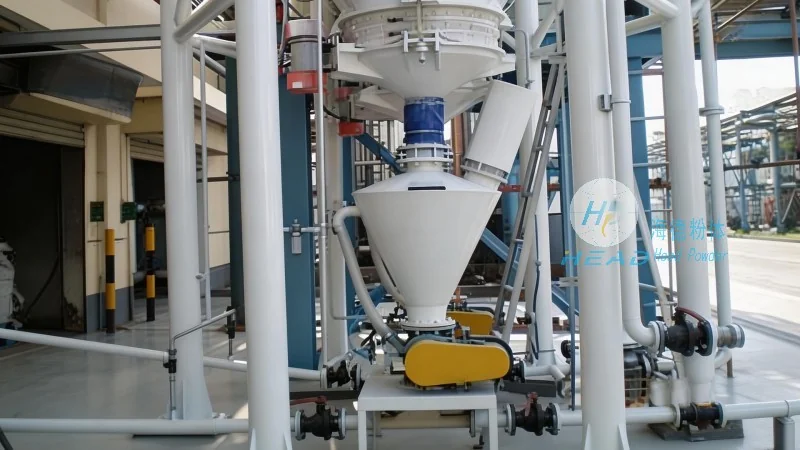
Principle of Pneumatic Conveying Lines for Clay Sand Powder
The core principle of a pneumatic conveying line for clay sand powder involves the use of compressed air to transport dry, fine materials through a pipeline system. This method, known as pneumatic conveying, utilizes air as the medium to move the powder from a source point to a destination point. The system typically consists of a hopper or feeder to introduce the clay sand powder into the pipeline, a blower or compressor to generate the necessary air pressure, and a series of pipes, bends, and control valves to direct the flow. The air and powder mixture travels through the pipeline, with the air providing the kinetic energy required to move the powder particles. The design of the conveying line, including the air velocity, pipe diameter, and system configuration, is critical to ensure efficient and low-loss transport of the clay sand powder. The principle also considers factors such as the particle size distribution, moisture content, and bulk density of the clay sand, as these properties influence the conveying efficiency and system performance.
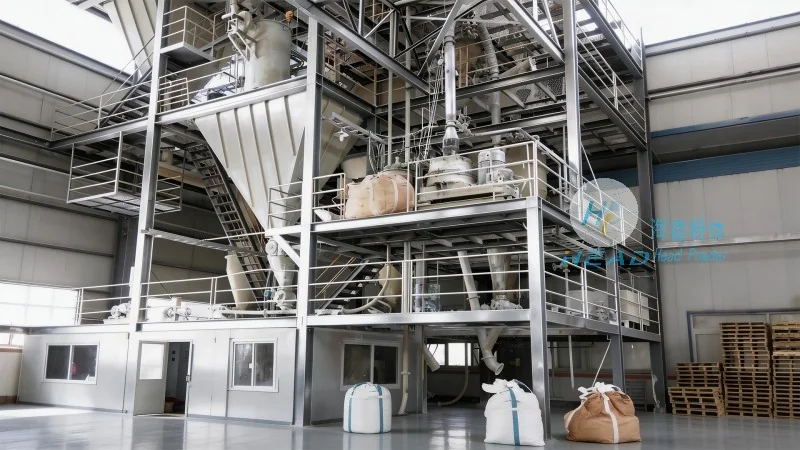
Working Scene Characteristics of the Pneumatic Conveying Line
The working scene characteristics of the clay sand powder pneumatic conveying line are tailored to meet the specific demands of industrial applications. These systems are commonly used in manufacturing processes where clay sand is a key raw material, such as in foundries, ceramics production, and construction material manufacturing. The line's design accommodates the handling of large volumes of clay sand powder, ensuring consistent and continuous material flow. The system's flexibility allows for integration into existing production lines, enabling seamless material transfer from storage silos or processing units to the next stage of production. Additionally, the pneumatic conveying line is designed to minimize dust emissions and material loss, which is crucial for maintaining environmental compliance and operational efficiency. The working scene also includes considerations for system maintenance and operational safety, with features like pressure relief valves and air filtration systems to ensure safe and reliable operation. The line's performance is optimized for the specific characteristics of clay sand powder, such as its fine particle size and potential for agglomeration, ensuring that the material is conveyed without clogging or degradation.
Typical Working Scenarios and Applications
The pneumatic conveying line for clay sand powder is applied in various working scenarios across different industries. In foundries, for example, the system is used to transport clay sand from storage silos to molding machines, ensuring a steady supply of raw material for the casting process. In ceramics manufacturing, the line facilitates the transfer of clay sand from grinding and mixing units to kilns, maintaining the quality and consistency of the ceramic products. In construction material production, the system is employed to move clay sand from raw material storage to production lines, supporting the manufacturing of building materials like bricks and tiles. Each of these scenarios requires a customized pneumatic conveying line that is optimized for the specific process requirements, including the volume of material to be conveyed, the distance between source and destination, and the environmental conditions of the working environment. The line's ability to handle fine powders like clay sand makes it an ideal solution for industries where traditional bulk handling methods may be less effective or efficient.
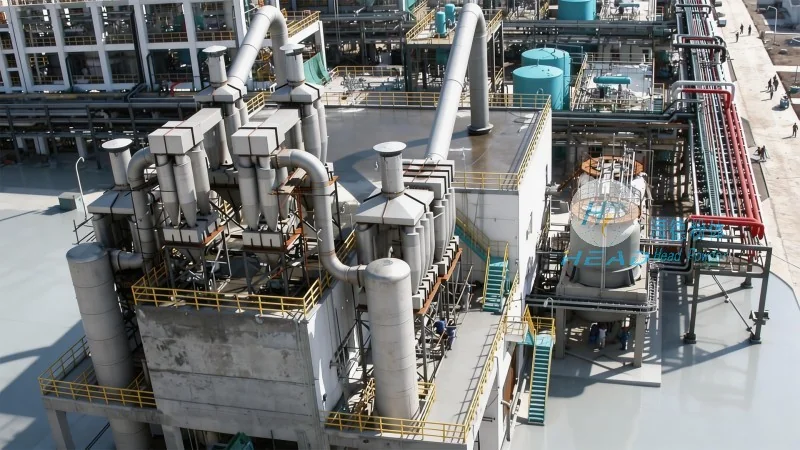
Advantages and Key Features
The clay sand powder pneumatic conveying line offers several advantages over traditional material handling methods. One of the primary benefits is the ability to transport fine powders over long distances with minimal material loss and dust generation. The system's enclosed pipeline design prevents dust from escaping into the environment, reducing the risk of respiratory issues for workers and maintaining compliance with environmental regulations. Additionally, the pneumatic conveying line is highly flexible, allowing for easy integration into existing production lines and adaptation to changing production needs. The system's low maintenance requirements and reliable operation contribute to reduced downtime and operational costs. The use of compressed air as the conveying medium also allows for precise control over the material flow rate, ensuring consistent delivery of clay sand powder to the processing units. Overall, the pneumatic conveying line provides an efficient, safe, and environmentally friendly solution for handling clay sand powder in industrial applications.