

Principle and Working Scene Characteristics of Camellia Seed Powder Pneumatic Conveying System
Camellia seed powder pneumatic conveying systems are critical in the processing and handling of oilseeds, particularly in facilities that require efficient and reliable material transport. These systems utilize air as the medium to move powders, granules, or fine particles through a pipeline network, offering advantages such as reduced contamination, improved safety, and enhanced process control. For industries dealing with camellia seeds, which are a key source of edible oil and other value-added products, the proper design and operation of such systems are essential to maintain product quality and operational efficiency.
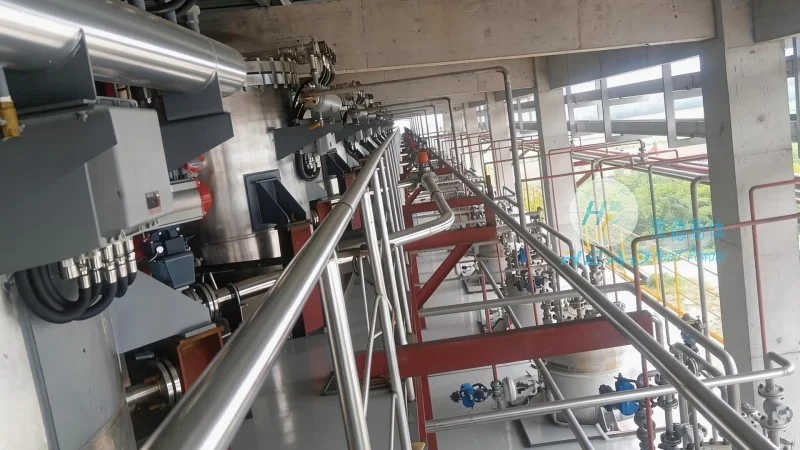
About HeadPowder: Leading Engineering Solutions
HeadPowder, formally known as Shandong HeadPowder Engineering Co., Ltd., is a professional engineering company based in Shandong, China. With a focus on providing innovative solutions for material handling and processing, HeadPowder specializes in the design, manufacturing, and implementation of pneumatic conveying systems tailored to the unique needs of various industries. The company's expertise lies in understanding the specific challenges associated with handling powders and bulk materials, ensuring that their systems meet the highest standards of performance, reliability, and durability.
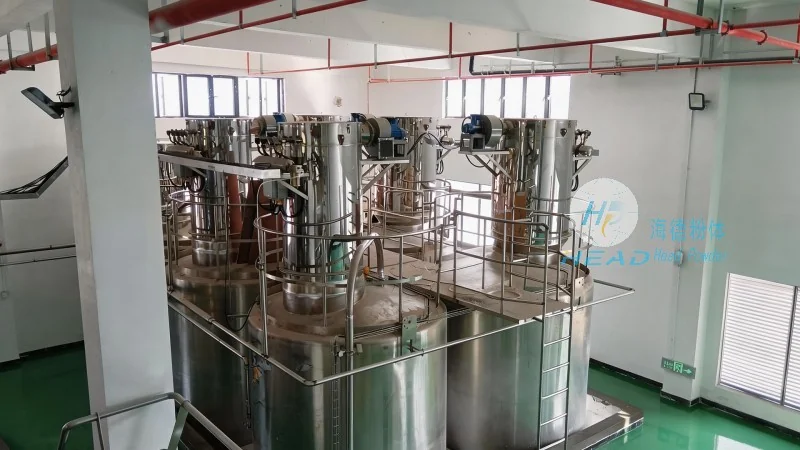
The Principle of Pneumatic Conveying for Camellia Seed Powders
The core principle of a camellia seed powder pneumatic conveying system involves the use of air pressure to transport material. In a typical system, the powder is introduced into a hopper or feeder, where it is then drawn into a pipeline by a fan or blower. The air flow creates a flow of material through the system, with the pressure and velocity of the air carefully controlled to ensure efficient transport without causing excessive wear or degradation of the powder. Key components include the feeder, the conveying line, the air separation unit, and the receiver. The feeder regulates the flow rate of the powder, while the conveying line transports it to the destination. The air separation unit separates the material from the air, allowing the powder to be collected in the receiver. This process is designed to maintain the integrity of the camellia seed powder, preventing clumping or agglomeration that could affect downstream processing.
Working Scene Characteristics and Applications
The working scene characteristics of camellia seed powder pneumatic conveying systems are tailored to the specific requirements of processing facilities. These systems are commonly used in scenarios where the material needs to be moved over short or long distances, such as from storage silos to processing equipment, or from processing lines to packaging areas. The flexibility of pneumatic conveying allows for integration into existing plant layouts, minimizing the need for major structural changes. Additionally, these systems are suitable for both continuous and batch operations, providing versatility in production scheduling. The working environment is typically clean and controlled, with measures in place to prevent dust emissions and ensure compliance with environmental regulations. The systems are also designed to handle varying particle sizes and moisture content, making them adaptable to different stages of camellia seed processing, from raw seed handling to refined powder production.
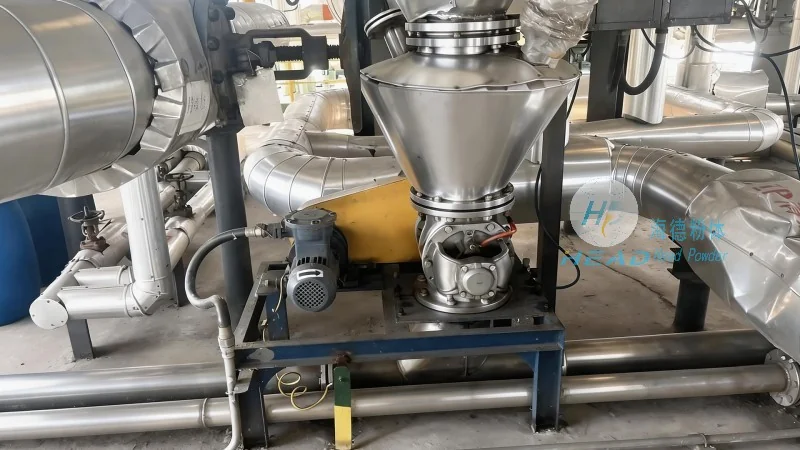
Advantages and Performance Considerations
Implementing a camellia seed powder pneumatic conveying system offers several advantages over traditional mechanical conveying methods. These include reduced risk of product contamination, as the material is enclosed within the pipeline, and improved safety by eliminating the need for manual handling of powders. The systems also provide better control over the flow rate and pressure, leading to more consistent product quality. From a performance perspective, pneumatic conveying can handle high volumes of material efficiently, with minimal energy consumption compared to other methods. However, the design of the system must consider factors such as the particle size distribution, moisture content, and the presence of foreign materials, as these can affect the system's efficiency and longevity. Proper maintenance and regular cleaning are essential to ensure optimal performance and prevent blockages or wear in the components.