

Principle and Working Scene Characteristics of Maltose Powder Pneumatic Conveying System
Maltose powder, a widely used sugar product in food, pharmaceutical, and chemical industries, requires efficient material handling solutions for safe and effective transportation. Pneumatic conveying systems have become a preferred method for transporting maltose powder due to their ability to handle fine powders with minimal degradation and contamination. This article explores the fundamental principles of maltose powder pneumatic conveying systems and highlights the key working scene characteristics that make them suitable for various industrial applications.
Principle of Pneumatic Conveying for Maltose Powder
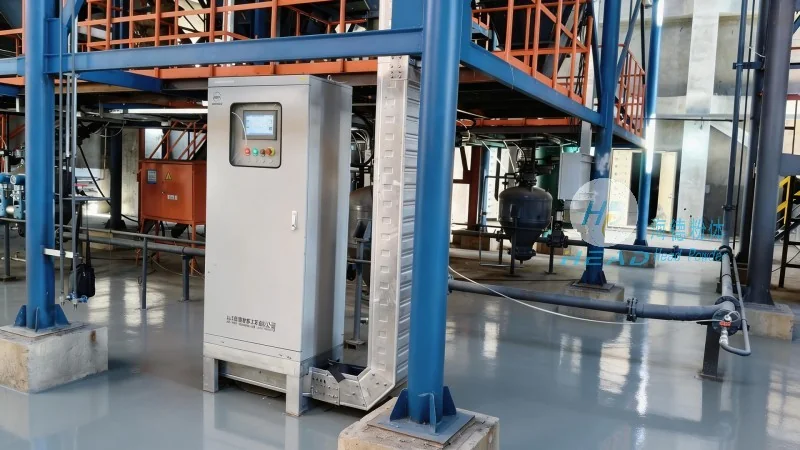
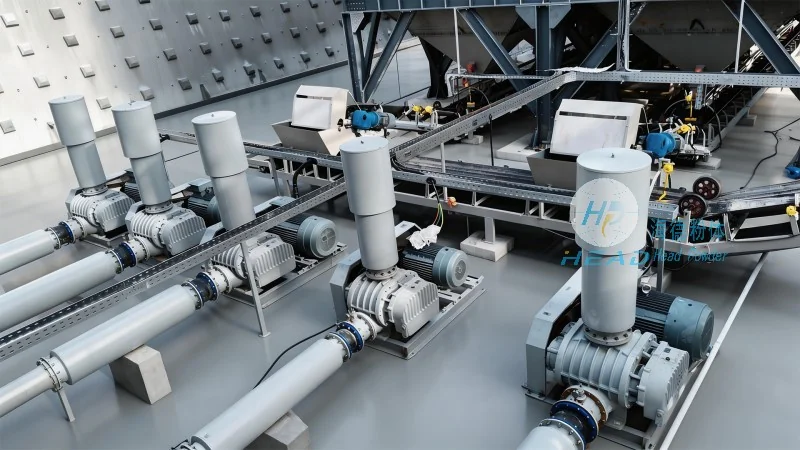
The core principle of pneumatic conveying systems involves transporting solid particles, such as maltose powder, using a gas stream, typically air. The system operates by creating a pressure differential between the inlet and outlet of the conveying line. In a typical setup, a blower or compressor generates the necessary airflow, which is then directed through a pipeline. The maltose powder is introduced into the system at a feeding point, often via a rotary valve or feeder, and is entrained by the moving air stream. As the air and powder mixture travels through the pipeline, the powder particles are suspended and transported to the destination point, such as a storage silo, processing unit, or packaging line. The system relies on the balance between the air velocity and the powder's particle size, density, and flow properties to ensure stable and efficient conveying. Proper design of the conveying line, including pipe diameter, length, and bends, is crucial to maintain the desired air velocity and prevent particle deposition or blockages.
Working Scene Characteristics of Maltose Powder Pneumatic Conveying Systems
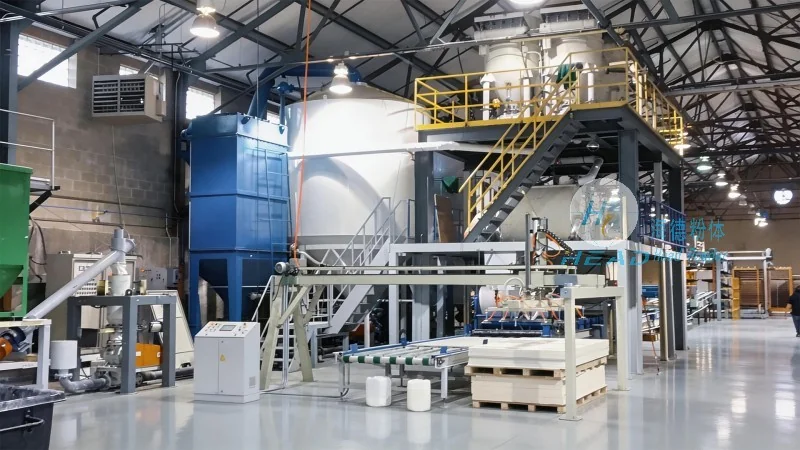
The working scene characteristics of maltose powder pneumatic conveying systems are tailored to meet the specific requirements of industrial environments where maltose powder is processed and handled. These characteristics include:
- Low Product Contamination: Pneumatic conveying systems minimize direct contact between the powder and external surfaces, reducing the risk of contamination from dust, moisture, or foreign particles. This is particularly important for maltose powder, which is used in food and pharmaceutical applications where product purity is critical.
- Efficient Material Handling: The systems enable continuous and automated transportation of maltose powder, improving production efficiency and reducing labor costs. The ability to handle large volumes of powder in a single operation makes them suitable for high-throughput industrial processes.
- Flexible Installation: Pneumatic conveying systems can be installed in various configurations, including horizontal, vertical, or mixed (horizontal-vertical) layouts, to accommodate different plant layouts and space constraints. This flexibility allows for integration into existing production lines or new facility designs.
- Reduced Downtime: Compared to traditional mechanical conveying methods, pneumatic systems experience lower maintenance and downtime due to fewer moving parts and reduced wear on components. This results in higher system reliability and lower operational costs over time.
- Energy Efficiency: Modern pneumatic conveying systems are designed to optimize energy consumption by using appropriate air velocities and system pressures. The use of efficient blowers and optimized pipeline designs helps reduce energy costs while maintaining conveying performance.
Application Scenarios for Maltose Powder Pneumatic Conveying
Maltose powder pneumatic conveying systems are widely used in various industrial settings, including:

- Food and Beverage Industry: In food processing facilities, these systems are used to transport maltose powder from storage silos to mixing tanks, blending equipment, or packaging lines. The systems ensure that the powder is handled hygienically and without contamination, meeting food safety regulations.
- Pharmaceutical Industry: For pharmaceutical applications, pneumatic conveying is preferred due to its ability to maintain product sterility and purity. The systems are used to transport maltose powder to manufacturing lines for the production of dietary supplements, sweeteners, or other pharmaceutical products.
- Chemical Industry: In chemical processing plants, maltose powder may be used as an ingredient in the production of other chemicals or as a raw material in various chemical reactions. Pneumatic conveying systems efficiently transport the powder to reactors, mixers, or storage tanks, ensuring consistent material flow and process control.
- Industrial Manufacturing: Beyond food and pharmaceutical sectors, pneumatic conveying is also applied in other manufacturing environments where fine powders need to be transported, such as in the production of cosmetics, fertilizers, or other powder-based products.
Company Overview: Shandong HeadPowder Engineering Co., Ltd.
Shandong HeadPowder Engineering Co., Ltd., operating under the brand name headpowder, specializes in the design, manufacturing, and installation of advanced pneumatic conveying systems for various powder handling applications. With a focus on providing customized solutions tailored to client needs, the company leverages years of industry experience to deliver reliable and efficient systems for handling maltose powder and other fine powders. Headpowder's expertise in material handling technology ensures that their pneumatic conveying systems meet the highest standards of performance, safety, and durability, making them a trusted choice for industrial clients across China and beyond.