

Principles and Working Scene Characteristics of Lightweight Micropowder Material Handling Systems
Lightweight micropowder material handling systems represent a critical advancement in industrial material transport technology, designed to efficiently manage the movement of fine, low-density powders. These systems are engineered to address the unique challenges associated with handling materials such as calcium carbonate, talc, and other similar powders, which are often characterized by their light weight and fine particle size. The core principles of these systems revolve around optimizing material flow, minimizing particle degradation, and ensuring consistent performance across various operational conditions.

Core Principles of Lightweight Micropowder Material Transport
The fundamental principle behind lightweight micropowder material handling systems is the utilization of specialized equipment that can effectively handle low-density materials without causing excessive pressure or friction. This typically involves the use of air-assisted transport methods, such as pneumatic conveying, which utilize compressed air to move powders through pipelines. The design of these systems incorporates features like low-friction components, gentle material handling mechanisms, and precise control of air pressure to ensure that the delicate particles are not broken or agglomerated during transport. Additionally, the systems often employ advanced control technologies to regulate flow rates, maintain consistent pressure, and monitor system performance in real-time, thereby enhancing operational efficiency and material integrity.
Working Scene Characteristics and Applications
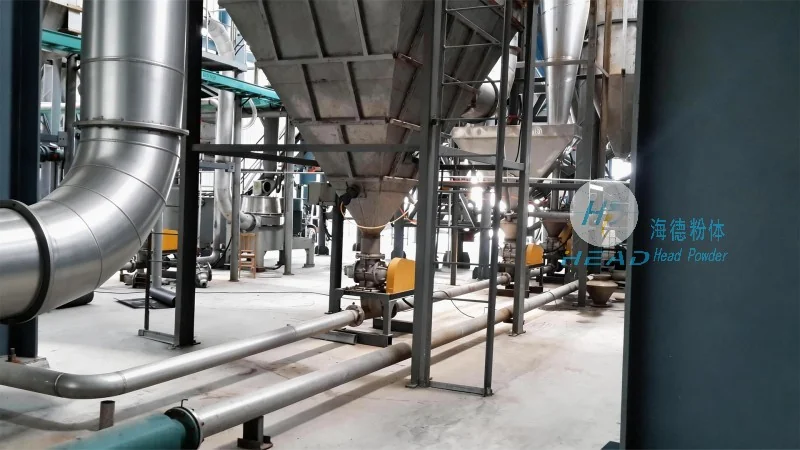
Lightweight micropowder material handling systems are widely applied in various industrial sectors, including chemical manufacturing, pharmaceuticals, food processing, and construction materials production. In chemical plants, these systems are crucial for transporting fine powders like calcium carbonate, which are used as fillers or additives in plastic and rubber products. The systems ensure that the powders are delivered to processing units without loss or contamination, maintaining product quality and consistency. In the pharmaceutical industry, where purity and particle size are paramount, these systems help in transporting active pharmaceutical ingredients (APIs) and excipients with minimal risk of cross-contamination or particle degradation. Similarly, in the food industry, systems designed for handling food-grade powders, such as sugar or cocoa, ensure that the materials are transported hygienically and efficiently, meeting stringent safety and quality standards.
Operational Advantages and Technical Features
One of the key advantages of lightweight micropowder material handling systems is their ability to handle materials with low bulk density, which would otherwise be difficult to transport using traditional gravity or mechanical conveying methods. The systems are designed to minimize energy consumption by optimizing air usage and reducing the need for high-pressure pumps or complex machinery. This not only lowers operational costs but also contributes to environmental sustainability by reducing energy waste. Furthermore, the systems often incorporate features like self-cleaning mechanisms and easy maintenance components, which help in maintaining system efficiency and reducing downtime. The use of advanced materials in the construction of pipelines and components, such as stainless steel or specialized polymers, ensures durability and resistance to corrosion, extending the lifespan of the equipment.
Customization and Integration with Industrial Processes
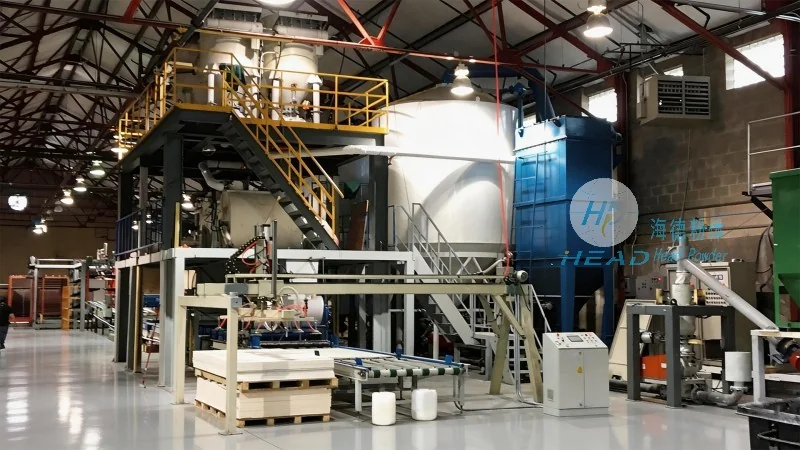
Shandong HeadPowder Engineering Co., Ltd., a leading provider of material handling solutions, specializes in designing and manufacturing lightweight micropowder material transport systems tailored to the specific needs of different industries. The company, based in Shandong, China, leverages years of experience and cutting-edge technology to develop customized solutions that integrate seamlessly with existing industrial processes. Their systems are designed to meet the unique requirements of each client, including varying material types, processing capacities, and environmental conditions. The company's expertise in pneumatic conveying and material flow control allows them to optimize system performance, ensuring that clients achieve maximum efficiency and reliability in their material handling operations. By focusing on the principles of gentle handling and efficient transport, HeadPowder Engineering provides solutions that enhance productivity while maintaining the highest standards of material quality and safety.