

Principle and Working Scene Characteristics of Calcium Fluoride Material Handling Systems
HeadPowder, a prominent name in the field of material handling technology, specializes in designing and implementing efficient systems for transporting calcium fluoride. This article delves into the core principles behind such systems and highlights the key characteristics of their operational environments.
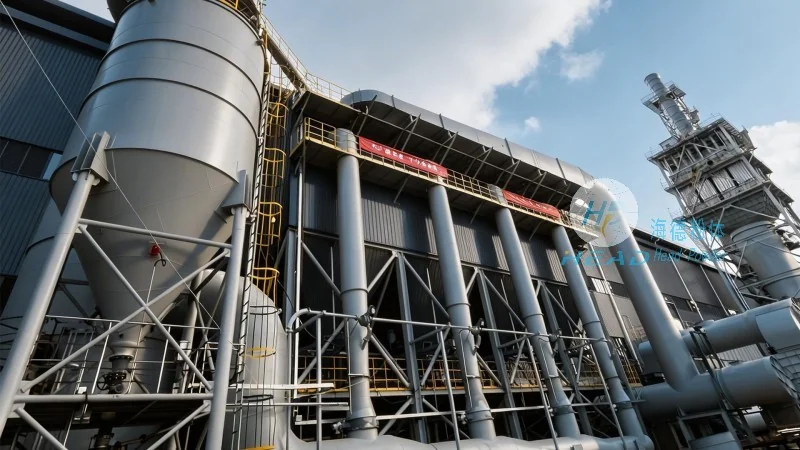
About HeadPowder: Leading Experts in Material Handling Solutions
Shandong HeadPowder Engineering Co., Ltd., commonly known as HeadPowder, is a reputable company based in Shandong, China. With years of experience in the engineering and manufacturing of material handling equipment, HeadPowder has established itself as a trusted provider of customized solutions tailored to the unique needs of various industries. The company's commitment to innovation and quality ensures that clients receive systems that are not only efficient but also reliable and durable.
Understanding Calcium Fluoride Material Handling Systems
Calcium fluoride, also known as fluorite, is a widely used industrial material in sectors such as chemical manufacturing, metallurgy, and pharmaceuticals. The efficient transportation of this material is crucial for maintaining production efficiency and safety standards. A typical calcium fluoride material handling system comprises several key components, including feeders, conveyors, storage silos, and control units. These components work in tandem to ensure the smooth and safe movement of the material from one point to another.
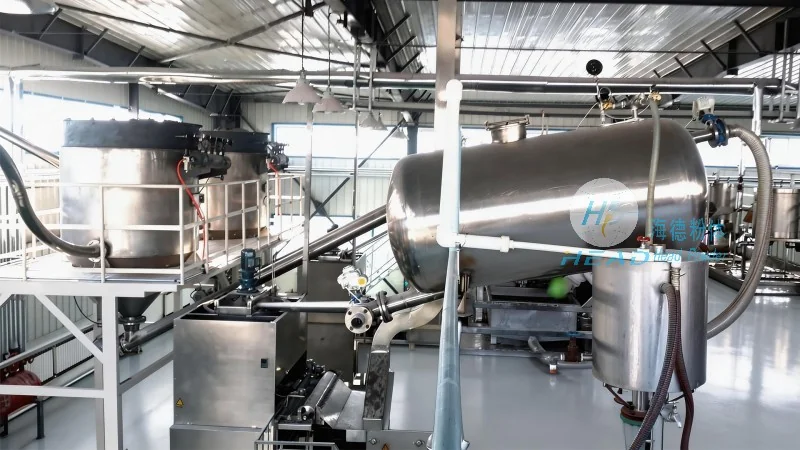
The Core Principle of Material Transport
The fundamental principle of calcium fluoride material handling systems revolves around the use of mechanical and sometimes pneumatic or hydraulic mechanisms to move the material. The system is designed to handle the specific physical properties of calcium fluoride, such as its density, particle size, and flow characteristics. For instance, due to its relatively high density and potential for dust generation, the system incorporates features like sealed containers and dust suppression mechanisms to prevent environmental contamination and ensure operator safety. The control system, often integrated with sensors and automation technology, monitors the flow rate, pressure, and other parameters in real-time, allowing for precise adjustments to maintain optimal performance.
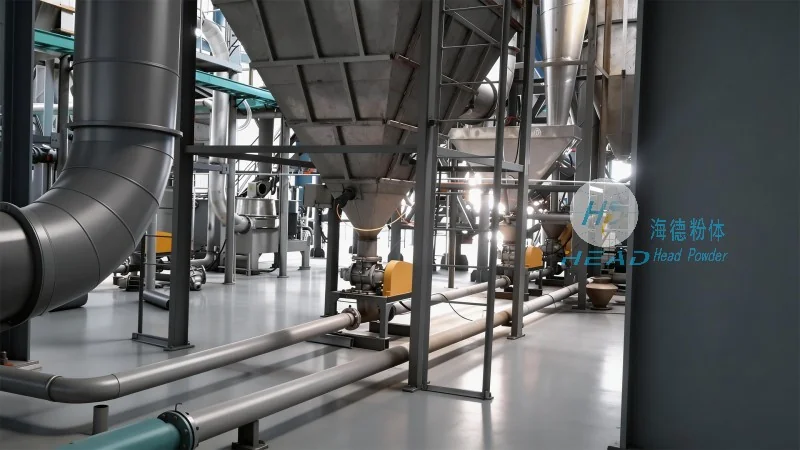
Key Working Scene Characteristics
The operational environment of calcium fluoride material handling systems varies depending on the application. In industrial settings, these systems are typically integrated into larger production lines, where they handle bulk quantities of the material. The working scene may include high-capacity conveyor belts, vertical or inclined conveyors, and automated feeding mechanisms. In such environments, the system's design emphasizes durability and low maintenance, as continuous operation is essential for meeting production targets. Additionally, the working scene may involve specific safety protocols, such as the use of explosion-proof equipment in areas where dust accumulation could pose a fire risk. The system's adaptability to different operational conditions, including varying temperatures and humidity levels, is another critical characteristic that ensures its effectiveness in diverse industrial settings.
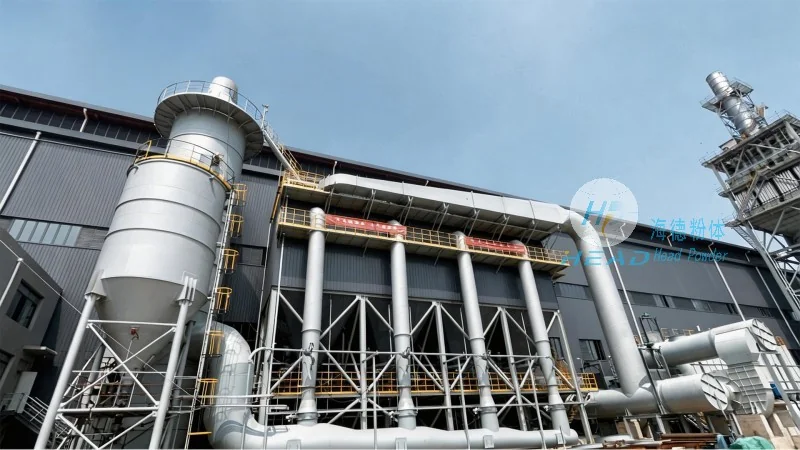
Applications and Industry Impact
Calcium fluoride material handling systems are widely utilized in various industrial applications. In the chemical industry, they are used for transporting raw materials to reactors and finished products from processing units. In metallurgy, the systems facilitate the movement of calcium fluoride in smelting processes, where it acts as a flux to remove impurities from metals. The systems also play a role in the pharmaceutical industry, where precise handling of calcium fluoride is necessary for the production of certain medications. The efficiency of these systems directly impacts production throughput, reducing downtime and increasing overall operational efficiency. By optimizing the material handling process, companies can achieve cost savings and improve their competitive edge in the market.
Conclusion and Future Outlook
HeadPowder's expertise in designing calcium fluoride material handling systems reflects the company's dedication to providing advanced solutions that meet the evolving needs of modern industries. The principles and characteristics discussed in this article underscore the importance of tailored engineering in ensuring the effectiveness and safety of material handling operations. As industries continue to demand higher efficiency and sustainability, the role of such systems will only become more critical. HeadPowder remains at the forefront of this technology, continuously innovating to deliver systems that enhance productivity while adhering to the highest safety and environmental standards.