

Principle and Working Scene Characteristics of Ferric Sulfate Material Handling Systems
Shandong HeadPowder Engineering Co., Ltd. specializes in the design and implementation of efficient material handling solutions for industrial applications, particularly focusing on systems that transport ferric sulfate—a crucial chemical widely used in water treatment, wastewater management, and various industrial processes. The company, known in the industry as HeadPowder, has established itself as a reliable partner for businesses seeking to optimize their material handling operations while ensuring compliance with safety and operational standards.
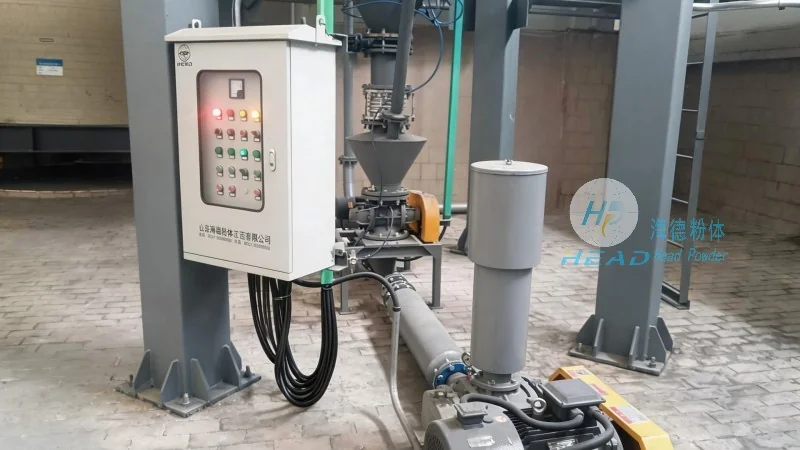
The Core Principle of Ferric Sulfate Material Handling
The fundamental principle behind ferric sulfate material handling systems lies in the efficient transfer of bulk materials from storage to processing or treatment facilities. These systems typically incorporate components such as conveyors, feeders, and storage silos, all engineered to handle the physical properties of ferric sulfate, including its granular or powder form, density, and flow characteristics. The design of the system is tailored to minimize material degradation, prevent caking or bridging, and ensure consistent flow rates, which are critical for maintaining the quality and effectiveness of the chemical in downstream applications.
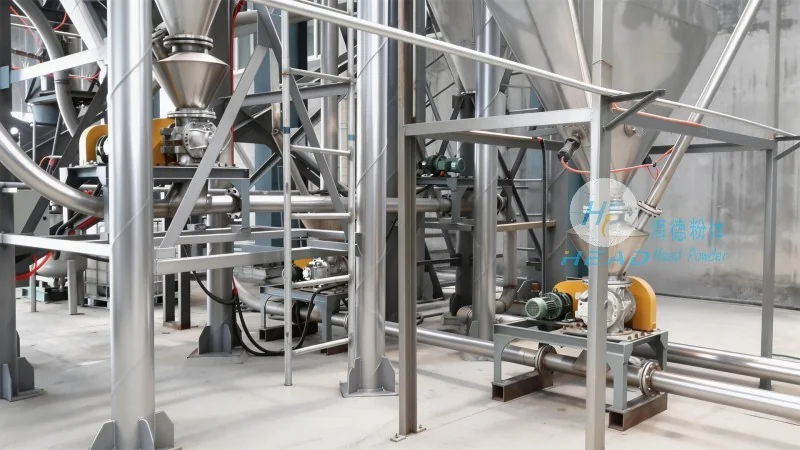
Key Components and Their Functions
At the heart of a ferric sulfate material handling system are several key components that work in tandem to achieve seamless material transfer. Conveyors, such as belt conveyors or screw conveyors, are commonly used to move the material horizontally or vertically. Feeders, including vibratory feeders or rotary valves, regulate the flow rate to match the requirements of downstream equipment, preventing overloading or underflow. Storage silos or hoppers are often integrated to store the material in bulk, with proper aeration and discharge mechanisms to maintain material flowability. Additionally, the system may include dust control measures, such as baghouses or cyclones, to ensure environmental compliance and worker safety, as ferric sulfate is a fine powder that can generate dust during handling.
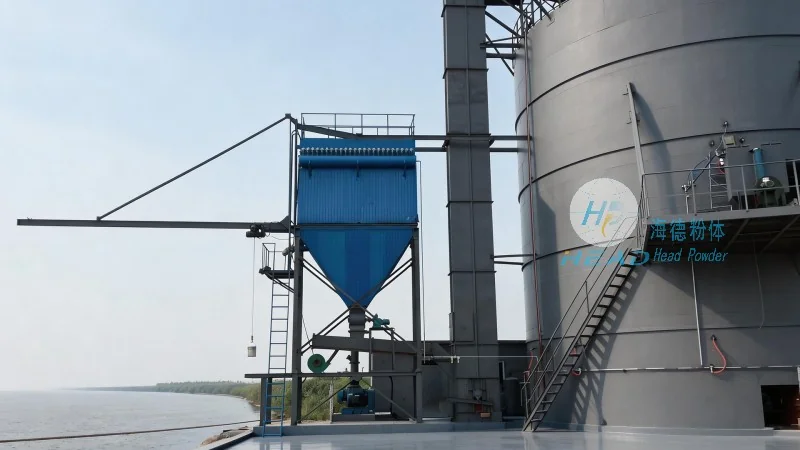
Working Scene Characteristics: Industrial Applications
The working scene characteristics of ferric sulfate material handling systems are closely tied to the specific industrial applications where the chemical is utilized. In water treatment plants, for example, the system must be designed to handle the material in a controlled environment, often with strict hygiene and contamination control measures. The equipment may need to be corrosion-resistant, as ferric sulfate can be acidic or reactive with certain materials. In wastewater treatment facilities, the system may need to integrate with existing infrastructure, such as dosing systems or mixing tanks, to ensure the chemical is added at the correct concentration and flow rate. Similarly, in industrial manufacturing processes, the material handling system may need to interface with production lines, ensuring a steady supply of ferric sulfate for processes like coagulation and flocculation, which are essential for clarifying liquids and removing impurities.
Operational Efficiency and Maintenance Considerations
Operational efficiency is a primary concern in ferric sulfate material handling systems, as downtime can lead to significant disruptions in production or treatment processes. The system design incorporates features to minimize maintenance requirements, such as easy access to components for cleaning or replacement, and robust construction to withstand the abrasive nature of the material. Regular maintenance, including cleaning of conveyors, checking for wear on bearings, and inspecting for clogging in feeders, is essential to ensure the system operates at optimal performance. Additionally, the system may include monitoring equipment, such as level sensors or flow meters, to provide real-time data on material levels and flow rates, enabling proactive maintenance and preventing unexpected failures.
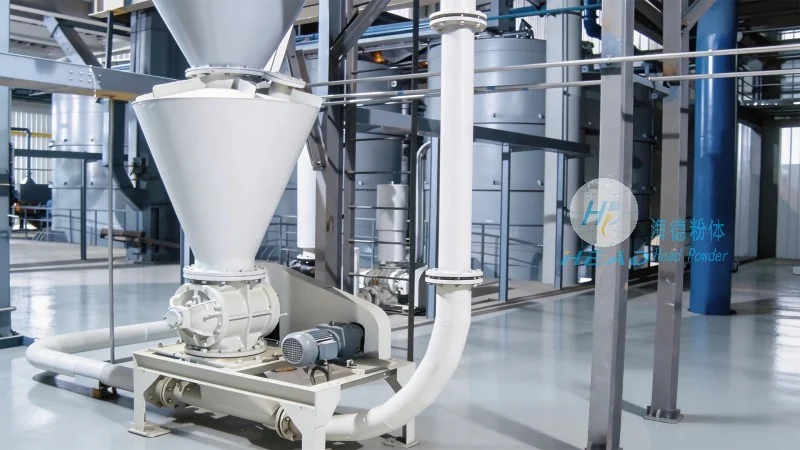
Compliance and Safety in Material Handling
Compliance with safety and environmental regulations is a critical aspect of ferric sulfate material handling systems. The system must be designed to prevent dust emissions, as inhalation of ferric sulfate dust can cause respiratory issues. Dust control measures, such as enclosed conveyors and local exhaust ventilation, are standard in these systems. Additionally, the equipment must be constructed from materials that are compatible with the chemical, avoiding corrosion or reaction that could compromise the integrity of the system or pose a safety risk. Worker safety is also a top priority, with features like emergency stop buttons, lockout/tagout procedures, and proper training protocols to ensure safe operation. The system may also need to comply with local regulations regarding the storage and handling of hazardous materials, particularly if the ferric sulfate is used in industrial applications that involve high concentrations or large quantities.