

Principles and Application Scenarios of Polypropylene Material Handling Systems
Understanding the core principles and operational characteristics of polypropylene material handling systems is essential for industries dealing with this versatile plastic. These systems are designed to efficiently transport, store, and manage polypropylene materials, ensuring smooth workflow and optimal performance in various industrial applications.
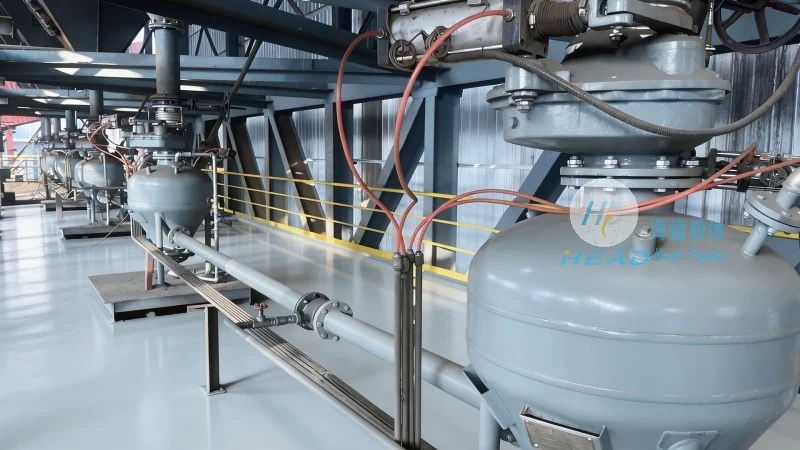
Core Principles of Polypropylene Material Handling
The fundamental principles of polypropylene material handling systems revolve around the integration of advanced engineering and material science. Key components such as conveyor belts, storage silos, and automated feeding mechanisms work in tandem to facilitate the movement of polypropylene from raw material storage to processing units. The systems are engineered to handle the unique properties of polypropylene, including its density, flexibility, and resistance to chemicals, ensuring reliable and consistent performance.
Key Components and Their Functions
Several critical components make up a polypropylene material handling system. The conveyor system, often equipped with specialized belts to prevent material slippage, transports polypropylene pellets or granules from storage to processing areas. Storage silos are designed to maintain the quality and stability of polypropylene, protecting it from moisture and contamination. Automated feeding mechanisms, such as screw conveyors or rotary valves, regulate the flow of material into processing equipment, ensuring precise control over the input rate.
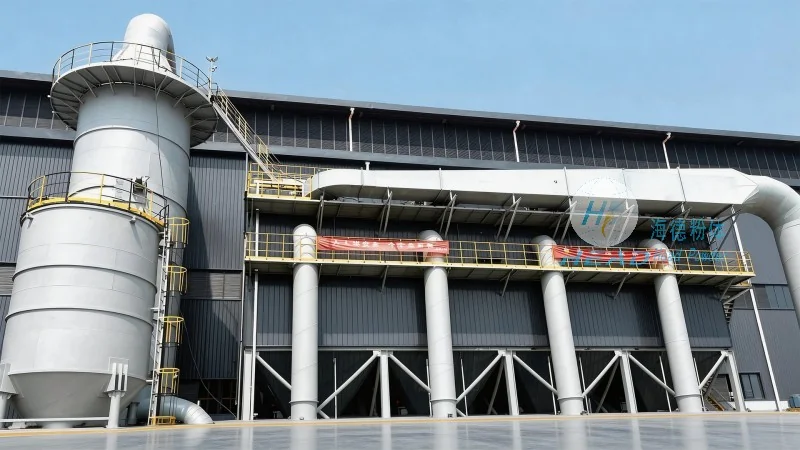
Application Scenarios and Operational Environments
Polypropylene material handling systems are widely used in various industrial settings, including manufacturing plants, chemical processing facilities, and packaging operations. In manufacturing, these systems support the production of plastic products by efficiently delivering raw polypropylene to extrusion or molding machines. In chemical processing, they help manage the handling of polypropylene in reaction vessels and storage tanks. The systems are also employed in packaging industries to transport polypropylene films or sheets for further processing or packaging.

Operational Advantages and Efficiency
Implementing polypropylene material handling systems offers several operational advantages. These systems enhance productivity by reducing manual labor and minimizing material handling errors. They also improve safety by automating the movement of potentially hazardous materials, such as polypropylene pellets, reducing the risk of accidents. Additionally, the systems contribute to cost savings by optimizing material usage and reducing waste through precise control over the feeding process.
Customization and Scalability
Shandong HeadPowder Engineering Co., Ltd. specializes in designing and manufacturing customized polypropylene material handling systems tailored to the specific needs of clients. The company’s expertise lies in understanding the unique requirements of different industries and providing scalable solutions that can adapt to changing production demands. Whether for small-scale operations or large-scale manufacturing plants, the systems are engineered to meet the highest standards of efficiency and reliability.