

Principles and Working Scene Characteristics of Calcined Gypsum Material Conveying
Calcined gypsum, also known as plaster of Paris, is a widely used industrial material in construction and manufacturing. The efficient handling and conveying of this material are critical for maintaining production efficiency and ensuring product quality. This article explores the principles underlying the conveying of calcined gypsum materials and highlights the key characteristics of working environments where such systems are applied, with a focus on the expertise of Shandong HeadPowder Engineering Co., Ltd., a leading provider in the field.
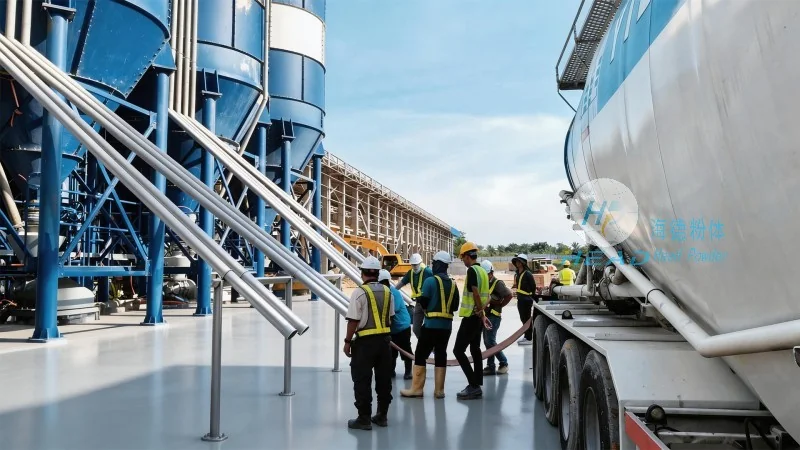
Introduction to Calcined Gypsum Material Conveying
Calcined gypsum is produced by heating natural gypsum to high temperatures, which transforms it into a fine powder. This material is commonly used in the production of drywall, plaster, and other building materials. The process of conveying calcined gypsum involves transporting the material from storage or processing units to the next stage of production, such as mixing or packaging. Effective conveying systems must address challenges like material flow, dust control, and equipment durability, especially given the abrasive nature of calcined gypsum.
Core Principles of Calcined Gypsum Conveying Systems
The fundamental principles of calcined gypsum material conveying revolve around the selection of appropriate equipment and the optimization of operational parameters. Key factors include the material's particle size, moisture content, and flow characteristics, which influence the choice of conveying methods. For instance, pneumatic conveying systems are often used for fine powders due to their ability to handle dust and maintain a clean environment. Mechanical conveying systems, such as belt conveyors or screw conveyors, are suitable for bulk materials and require careful consideration of the material's abrasiveness to prevent wear and tear on components.
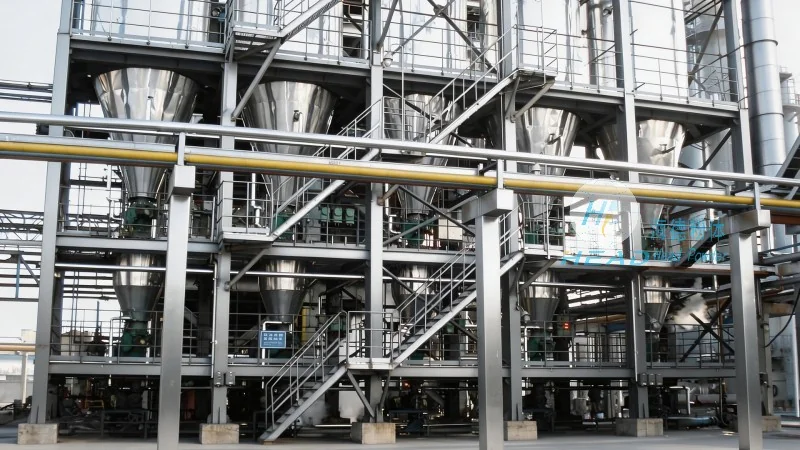
Working Scene Characteristics of Calcined Gypsum Conveying
The working environments where calcined gypsum conveying systems operate vary significantly based on the application and scale of the industrial process. In large-scale manufacturing facilities, such as those producing drywall panels, the conveying systems are integrated into automated production lines, requiring high throughput and reliability. These systems are typically located in areas with controlled temperature and humidity to maintain material quality. In contrast, smaller-scale applications, like in construction sites or on-site plastering projects, may use portable or semi-portable conveying equipment that is more flexible and easier to install in diverse locations.
Application Scenarios and Operational Efficiency
Calcined gypsum conveying systems are applied in various industrial settings, each with distinct requirements. In the building materials industry, the primary goal is to ensure consistent material supply to production lines, minimizing downtime and maximizing output. The systems are designed to handle large volumes of material while maintaining low maintenance costs. In the pharmaceutical or food processing sectors, where material purity is paramount, specialized conveying equipment with sealed systems and filtration capabilities is used to prevent contamination. Shandong HeadPowder Engineering Co., Ltd. specializes in designing and manufacturing customized conveying solutions tailored to these diverse needs, ensuring that each system meets the specific demands of the application.
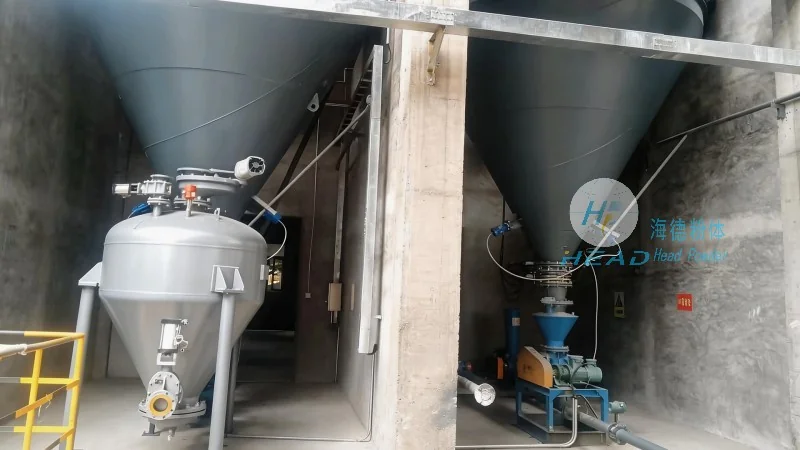
Key Considerations for Optimal Conveying Performance
Several factors contribute to the optimal performance of calcined gypsum conveying systems. First, the selection of the right type of conveyor, whether pneumatic or mechanical, is critical. Pneumatic systems are ideal for fine powders and require proper air filtration to prevent dust accumulation. Mechanical systems, such as screw or belt conveyors, are more cost-effective for bulk materials but need regular maintenance to address wear from the abrasive material. Second, the design of the system must consider the layout of the facility, ensuring that the conveying path is as direct as possible to reduce energy consumption and operational costs. Third, the integration of dust control measures, such as cyclones or baghouses, is essential to maintain a safe and healthy working environment and comply with environmental regulations.
Conclusion and Company Expertise
Efficient calcined gypsum material conveying is a cornerstone of modern industrial operations, enabling the smooth flow of material through production processes and enhancing overall productivity. The principles and working scene characteristics discussed here underscore the importance of tailored solutions that address the unique challenges of each application. Shandong HeadPowder Engineering Co., Ltd., with its extensive experience and expertise in material handling systems, provides comprehensive solutions that meet the highest standards of performance, reliability, and safety. By understanding the core principles and adapting to the specific requirements of different working environments, industries can achieve optimal conveying efficiency and maintain a competitive edge in their respective markets.