

Principles and Application Scenarios of Phosphorus Pentoxide Material Handling
Phosphorus pentoxide (P₂O₅), a highly hygroscopic and reactive chemical, requires specialized handling and material transport systems to ensure safety and efficiency in industrial applications. The principles of P₂O₅ material handling revolve around controlling moisture exposure, managing reaction risks, and maintaining consistent material flow. This article explores the technical foundations of P₂O₅ material transport and highlights key operational scenarios where such systems are deployed.
Technical Principles for Phosphorus Pentoxide Material Handling
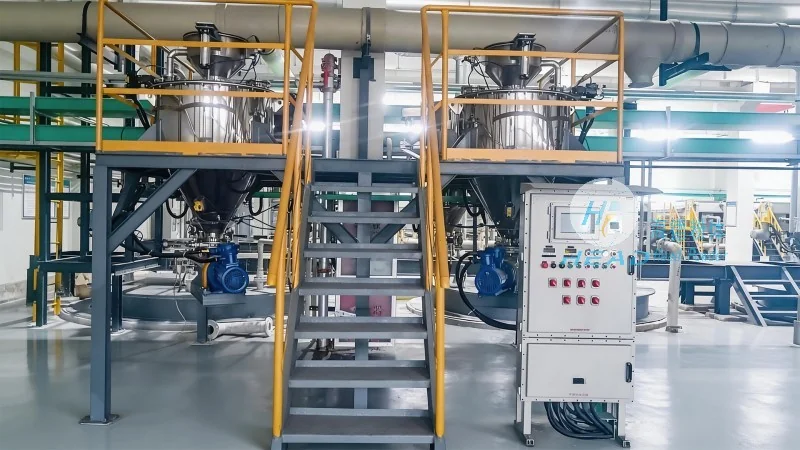
Phosphorus pentoxide is known for its extreme affinity for water, which makes it a potent dehydrating agent. When handling P₂O₅, the primary principle is to minimize contact with moisture and air. Industrial systems typically employ sealed, inert environments, such as vacuum or nitrogen-purged pipelines, to prevent moisture ingress. The material is often stored in dry, airtight containers and transferred using low-friction, corrosion-resistant equipment like stainless steel or PTFE-lined pumps and conveyors. Temperature control is also critical, as P₂O₅ can release heat during reactions or handling, necessitating cooling mechanisms in transport systems.
Key Application Scenarios in Industrial Settings
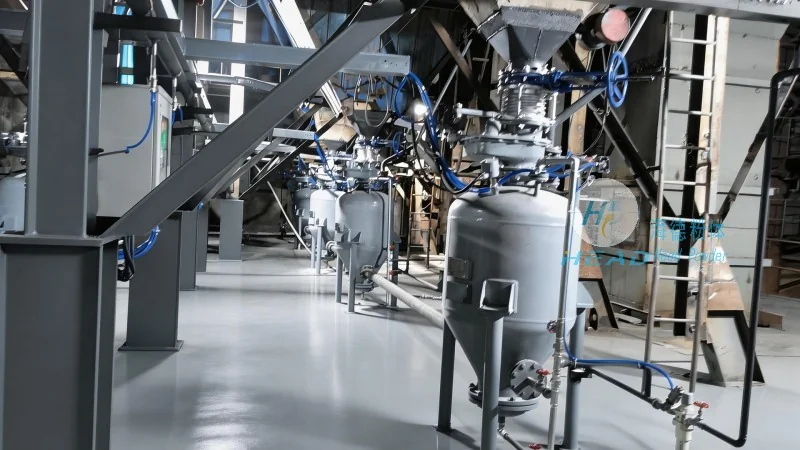
Phosphorus pentoxide material handling systems are integral to several high-value industrial processes. One primary application is in the production of phosphoric acid, where P₂O₅ is used as a raw material. In this scenario, the material is transported from storage silos to reaction vessels via sealed pipelines, ensuring no moisture contamination that could lead to unwanted side reactions. Another critical scenario involves the manufacturing of specialty chemicals, such as phosphates and flame retardants, where precise dosing of P₂O₅ is essential for product quality. Here, automated dosing systems and closed-loop transport ensure consistent material delivery to reactors.
Operational Considerations for Safe and Efficient Transport
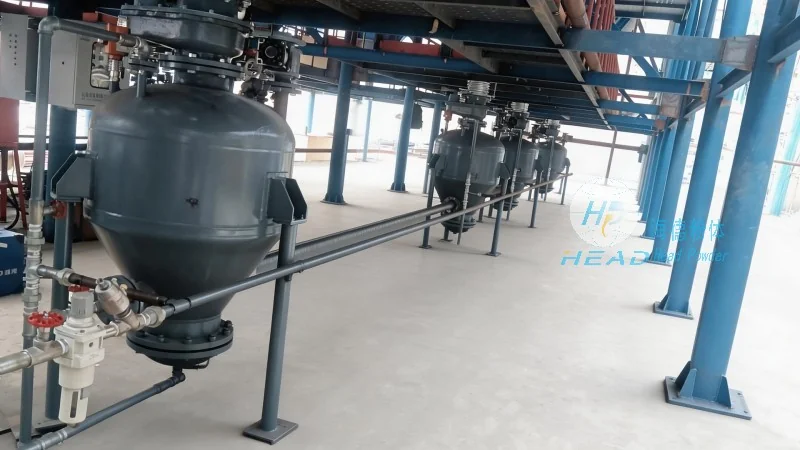
Effective P₂O₅ material handling demands strict adherence to safety protocols and operational best practices. Personnel must be trained on the hazards of P₂O₅, including its corrosive nature and potential for exothermic reactions. Equipment maintenance is critical, as any leaks or malfunctions in the transport system could result in exposure to moisture or air, compromising material integrity. Regular inspections of seals, valves, and pipelines are standard to prevent contamination. Additionally, the use of real-time monitoring systems, such as moisture sensors and temperature loggers, helps maintain process control and detect anomalies promptly.
HeadPowder's Expertise in P₂O₅ Material Handling Solutions
Shandong HeadPowder Engineering Co., Ltd., a leading provider of industrial material handling solutions, specializes in designing and implementing systems tailored to the unique challenges of phosphorus pentoxide transport. With years of experience in the chemical processing industry, HeadPowder has developed advanced technologies that address the hygroscopic and reactive properties of P₂O₅. The company’s solutions include custom-designed sealed conveyors, vacuum transport systems, and automated dosing units, all engineered to meet the stringent safety and efficiency requirements of P₂O₅ handling. HeadPowder’s team of engineers works closely with clients to assess their specific operational needs, ensuring that the final system is optimized for their production processes and regulatory compliance.
Conclusion: Ensuring Reliable and Safe P₂O₅ Material Transport
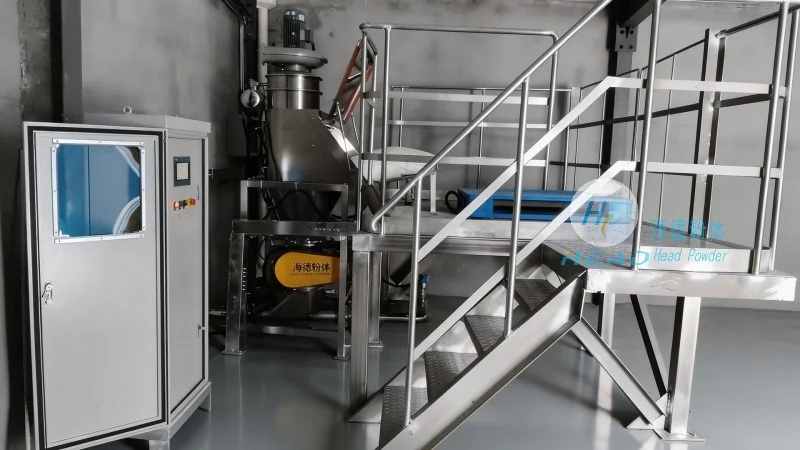
Phosphorus pentoxide material handling is a complex but essential aspect of modern chemical manufacturing. By adhering to the technical principles of moisture control, temperature management, and equipment integrity, industrial facilities can ensure the safe and efficient transport of this critical material. Companies like Shandong HeadPowder Engineering Co., Ltd. play a vital role in delivering tailored solutions that meet the demands of P₂O₅ processing, supporting the production of high-quality chemical products while maintaining operational safety and compliance.