

Principle and Working Scene Characteristics of Lightweight Cement Powder Conveying System Equipment
Lightweight cement powder conveying systems are critical for efficient material handling in construction and industrial sectors. The equipment from Shandong HeadPowder Engineering Co., Ltd. is engineered to transport fine powders like lightweight cement with precision, reliability, and minimal material loss. This system is designed to meet the demands of modern construction and industrial processes, offering a solution for the efficient movement of lightweight cement in various working environments.
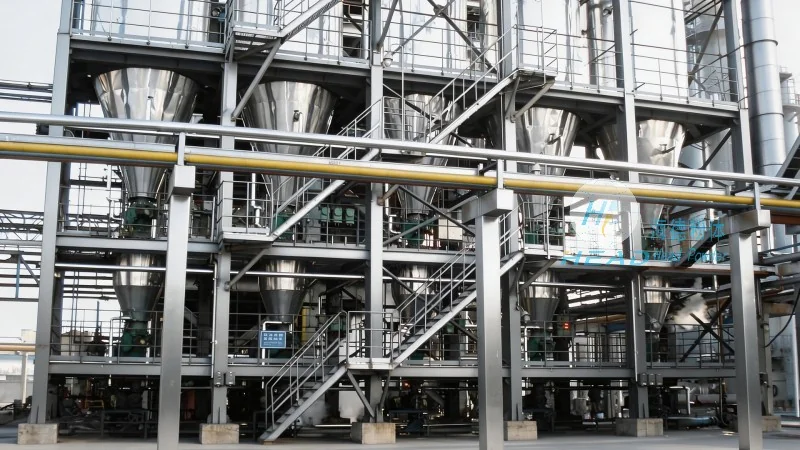
Principle of the Lightweight Cement Powder Conveying System
The fundamental principle of the lightweight cement powder conveying system revolves around advanced pneumatic or mechanical technologies. These systems typically operate by creating a pressure differential or utilizing rotary mechanisms to move the powder through a network of pipelines. Key components include a hopper for material storage, a feeder to regulate the flow rate, a conveying pipe system, and a dust collection unit to maintain air quality. The design ensures that the lightweight cement is transported without degradation, maintaining its quality for construction applications. The system's ability to handle fine powders with consistent flow rates is crucial for achieving the desired properties in lightweight concrete, such as reduced density and improved thermal insulation.
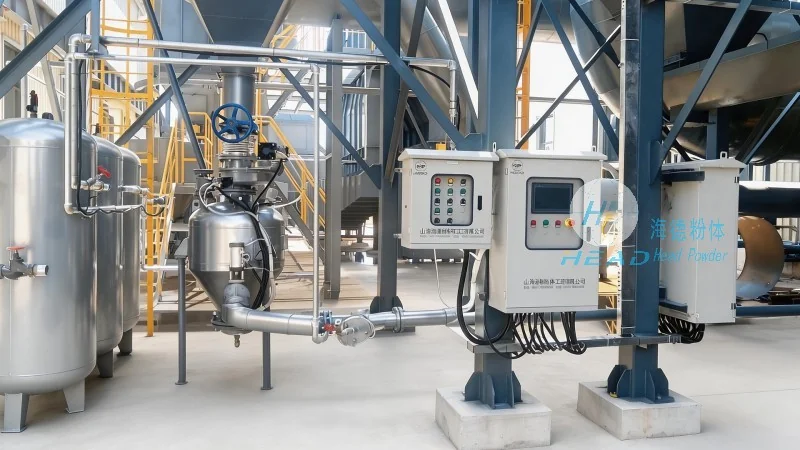
Working Scene Characteristics and Adaptability
The working scene characteristics of the lightweight cement powder conveying system are tailored to diverse construction and industrial sites. In construction projects, the system is often deployed in high-rise buildings or remote construction areas where traditional material handling methods are inefficient. The equipment is designed to be compact and mobile, allowing for easy installation and relocation as project needs change. Industrial applications, such as in the production of lightweight concrete blocks or insulation materials, benefit from the system's capacity to handle large volumes of powder with minimal downtime. The system's adaptability to varying environmental conditions, including temperature and humidity fluctuations, ensures consistent performance even in challenging outdoor settings. Furthermore, the system's low energy consumption and low maintenance requirements make it suitable for long-term use in both on-site construction and factory production environments.
Application in Construction Projects: Enhancing Efficiency and Quality
In construction projects, the lightweight cement powder conveying system significantly improves material delivery efficiency. For example, in residential or commercial building construction, the system can transport lightweight cement to upper floors or distant work areas, reducing the need for manual labor and minimizing labor costs. The system's ability to maintain a consistent flow rate ensures that the cement is delivered in the correct proportions, which is essential for achieving the desired strength and density of the concrete mix. Moreover, the system's dust control features help maintain a clean working environment, enhancing safety for construction workers. The integration of the conveying system with other construction equipment, such as concrete mixers and formwork, further streamlines the construction process, leading to faster project completion times and higher overall project quality.
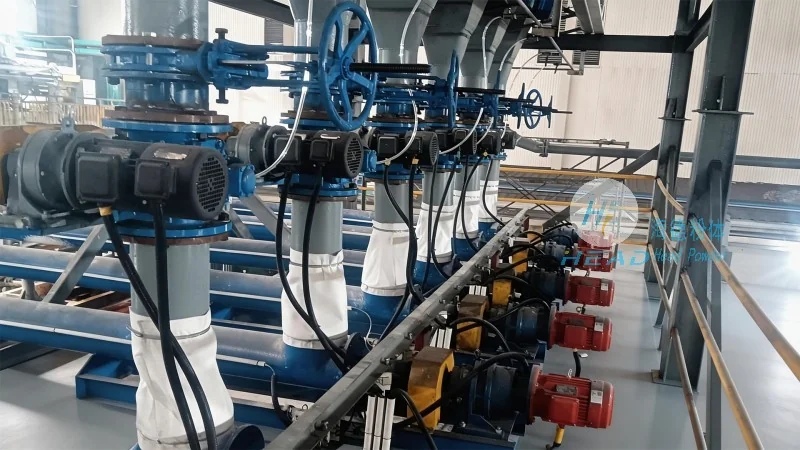
Industrial Production: Ensuring Consistent Material Supply
Industrial production applications of the lightweight cement powder conveying system are widespread in manufacturing lightweight concrete products, insulation materials, and other cement-based composites. In these settings, the system is used to transport large quantities of lightweight cement from storage silos to production lines, ensuring a continuous supply of raw material. The system's high conveying capacity and reliability reduce production bottlenecks, which is critical for maintaining production schedules and meeting customer demands. The ability to handle fine powders without clogging or degradation is particularly important in industrial production, as it ensures the quality of the final products. Additionally, the system's energy efficiency and low maintenance costs contribute to overall operational savings for industrial manufacturers, making it a cost-effective solution for long-term production needs.