

Principle and Working Scenario Characteristics of Sodium Fluosilicate Powder Conveying System Equipm
HeadPowder, a reputable enterprise headquartered in Shandong, China, specializes in the development and implementation of advanced powder conveying systems. This article explores the fundamental principles and operational characteristics of the sodium fluosilicate powder conveying system, a critical equipment for the efficient and safe handling of this specific chemical compound.
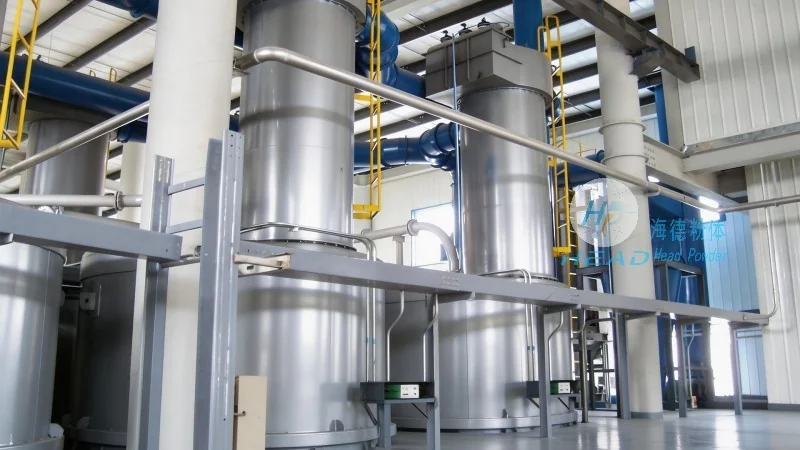
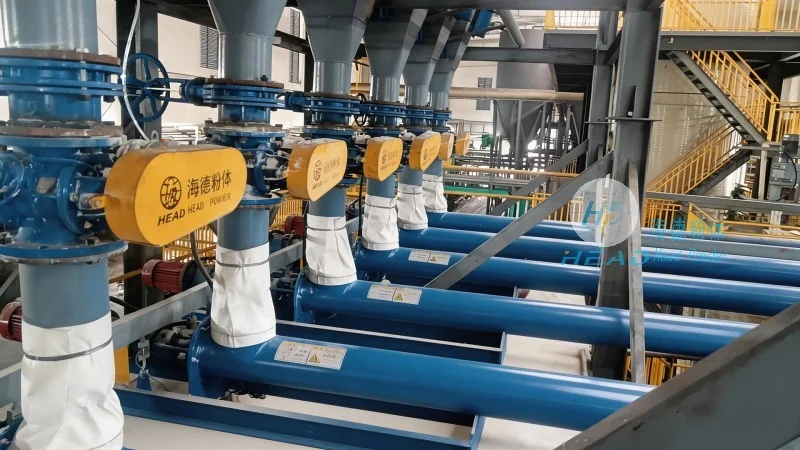
Principle of the Sodium Fluosilicate Powder Conveying System
The sodium fluosilicate powder conveying system operates based on pneumatic or mechanical conveying principles, tailored to the unique properties of sodium fluosilicate. As a fine powder with potential moisture sensitivity and handling challenges, the system typically integrates positive displacement blowers with flexible hoses or rigid pipelines. Key components include a hopper for material storage, a feeder to regulate flow rates, a conveying line, and a receiver for discharged material. The air or gas used in the system is filtered to prevent contamination and maintain powder purity. The design prioritizes preserving the integrity of the sodium fluosilicate powder, minimizing particle degradation and ensuring consistent flow characteristics.
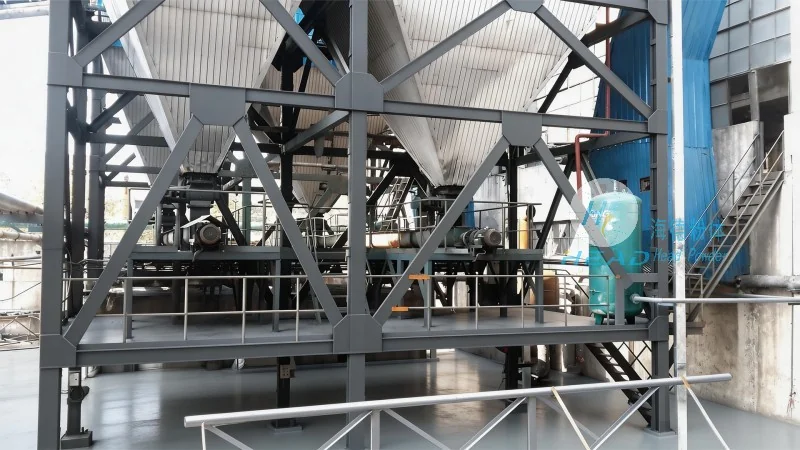
Working Scenario Characteristics of the System
The working scenario characteristics of the sodium fluosilicate powder conveying system are shaped by its adaptability to diverse industrial environments. These systems are commonly deployed in chemical manufacturing facilities where sodium fluosilicate serves as a raw material or intermediate product. Performance is influenced by factors such as particle size distribution, moisture content, and ambient temperature. In industrial settings, the system must handle high material volumes while minimizing maintenance costs and maximizing operational efficiency. Dust control and environmental compliance are critical considerations, as the fine powder poses inhalation risks if not properly contained. The system incorporates dust collection and filtration mechanisms to ensure safe operation and adherence to occupational health and safety regulations.
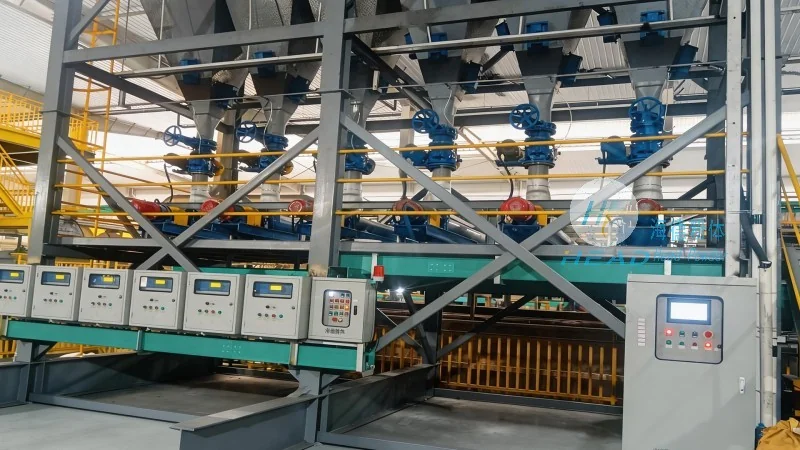
Application Scenarios and Operational Advantages
The sodium fluosilicate powder conveying system finds widespread application in scenarios requiring efficient and safe chemical transport. For example, in glass, ceramics, and water treatment industries, sodium fluosilicate is a vital raw material. The system's ability to handle the powder in a controlled manner reduces material loss and enhances production throughput. Operational advantages include automated feeding and conveying, which lower labor costs, and lower energy consumption compared to traditional methods like bucket elevators. Enhanced safety features minimize dust explosion risks. The system's modular design enables seamless integration into existing production lines, offering flexibility for future expansions or process modifications. Reliability and low downtime further contribute to overall operational efficiency, making it a preferred solution for industries demanding consistent, high-quality material handling.