

Asbestos Trioxide Pneumatic Conveying System: Principles and Application Scenarios
Asbestos trioxide, also known as arsenic trioxide, is a hazardous chemical compound often encountered in industrial processes. The safe and efficient handling of this material is critical due to its toxic properties and regulatory requirements. Pneumatic conveying systems have emerged as a preferred method for transporting asbestos trioxide, offering advantages over traditional mechanical conveyors in terms of safety, flexibility, and contamination control. Shandong HeadPowder Engineering Co., Ltd., a leading provider of industrial conveying solutions, specializes in designing and implementing such systems to meet the stringent safety and operational standards required for handling asbestos trioxide. This article explores the fundamental principles behind pneumatic conveying technology and highlights key application scenarios where such systems are utilized.
Principles of Pneumatic Conveying for Asbestos Trioxide
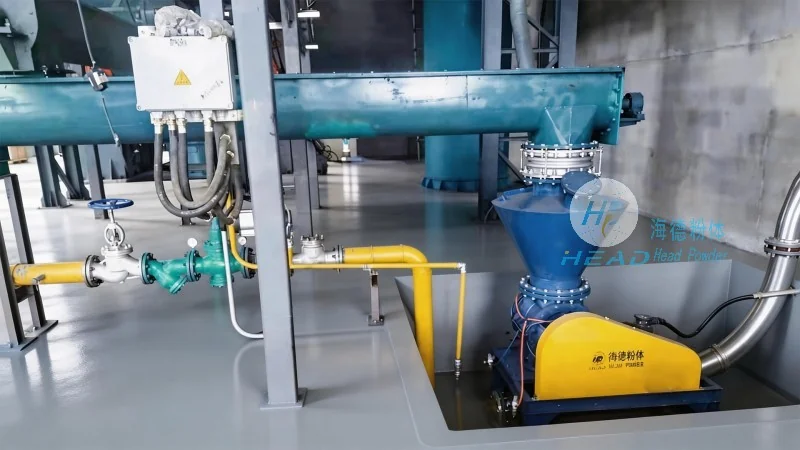
The core principle of pneumatic conveying involves the transport of solid particles (in this case, asbestos trioxide) suspended in a moving gas stream. There are two primary modes of pneumatic conveying: positive pressure and negative pressure (or vacuum) systems. In positive pressure systems, air is forced through the conveying line at a pressure higher than ambient, carrying the material from the source to the destination. Negative pressure systems, on the other hand, use a vacuum to draw material into the system, often from a hopper or storage silo. For asbestos trioxide, positive pressure systems are commonly preferred due to their ability to maintain a closed system, minimizing exposure risks and preventing dust emissions. The system typically consists of several key components: a feeder to introduce the material into the air stream, a conveying line (often made of corrosion-resistant materials like stainless steel or PTFE-coated pipes to handle the chemical properties of arsenic trioxide), a separation unit to collect the material at the destination, and a filter or cyclone to remove any fine particles from the exhaust air. The design of the system must account for the particle size, density, and flow characteristics of asbestos trioxide, ensuring optimal suspension and minimal pressure drop along the pipeline.
Key Components and Their Function in the System
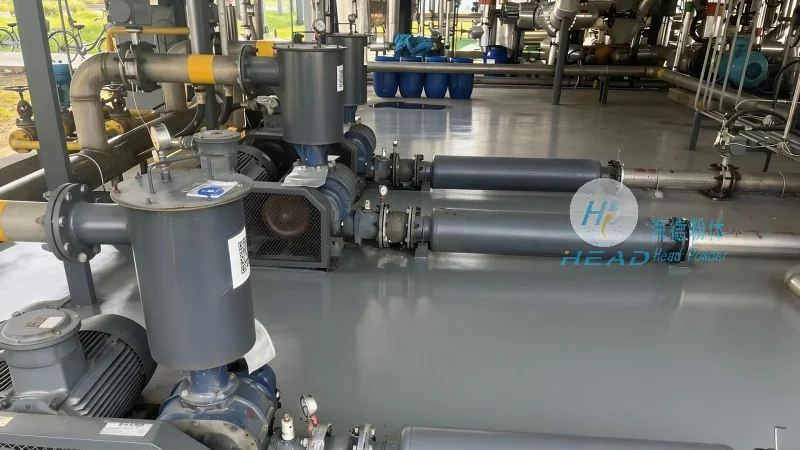
Each component of the pneumatic conveying system plays a crucial role in the safe and effective transport of asbestos trioxide. The feeder is responsible for introducing the material into the air stream at a controlled rate, preventing blockages and ensuring consistent flow. For asbestos trioxide, which may have a tendency to agglomerate or create dust, a rotary valve or screw feeder is often used to maintain a uniform feed. The conveying line must be constructed from materials that are resistant to corrosion and chemical attack from arsenic trioxide, such as 316L stainless steel or PTFE-lined pipes. These materials prevent contamination of the material and ensure the longevity of the system. The separation unit, typically a cyclone or a baghouse filter, collects the material at the end of the conveying line, separating it from the air stream. The design of the separation unit must be efficient enough to capture all particles while minimizing pressure loss. Finally, the exhaust system includes filters or scrubbers to remove any residual arsenic trioxide particles from the air, ensuring compliance with environmental regulations and worker safety standards.
Application Scenarios and Operational Considerations
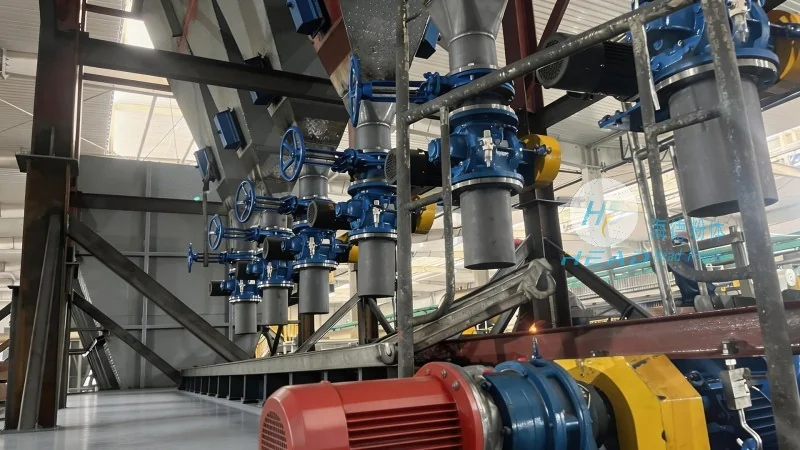
Pneumatic conveying systems for asbestos trioxide are employed in various industrial settings, each with specific requirements for handling the hazardous material. One common application is in the pharmaceutical or chemical manufacturing industries, where asbestos trioxide is used as a raw material in the production of certain compounds. In these settings, the system is integrated into a larger production line, ensuring that the material is transported from storage silos to processing equipment without manual handling. Another application is in environmental remediation projects, where asbestos trioxide may be a byproduct of waste treatment processes. Here, the system is used to transport the material from a waste storage area to a disposal or treatment facility, minimizing the risk of exposure to workers and the environment. Operational considerations for these systems include maintaining proper air pressure and flow rates to prevent material settling or blockages, regular maintenance of components to ensure system reliability, and adherence to safety protocols to protect workers from arsenic trioxide exposure. Additionally, the system must be designed to meet local and international regulations regarding the handling of hazardous materials, including proper containment and ventilation to prevent dust and fume emissions.
Advantages of Pneumatic Conveying Over Traditional Methods
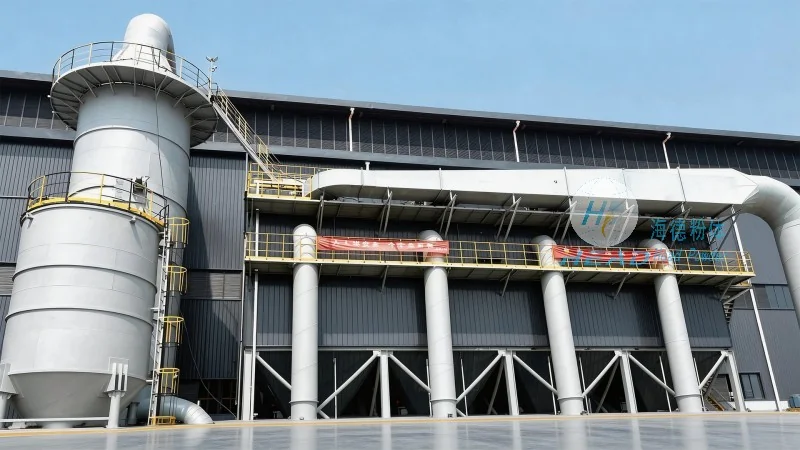
Compared to traditional mechanical conveyors, pneumatic conveying systems offer several advantages when handling asbestos trioxide. First, the closed system design eliminates the risk of dust exposure and cross-contamination, which is critical for a toxic material like arsenic trioxide. Second, pneumatic systems are more flexible in terms of layout, as they can transport material over long distances and around obstacles without the need for multiple transfer points. Third, the system can handle a wide range of particle sizes and flow rates, making it suitable for varying production demands. Finally, pneumatic conveying reduces the need for manual handling, thereby improving worker safety and reducing the risk of accidents. However, it is important to note that pneumatic systems require careful design and maintenance to ensure optimal performance and safety. Proper sizing of the air compressor, selection of appropriate materials for the conveying line, and regular cleaning of filters are all essential to maintain the system's efficiency and compliance with regulations.