

Principle and Working Scene Characteristics of Iron Fines Pneumatic Conveying Lines
Iron fines, often referred to as iron powder or fine iron particles, are a critical raw material in various industrial sectors, including steel production, foundry operations, and metallurgical processes. The efficient and reliable transport of these fine particles is essential for maintaining production efficiency and ensuring product quality. Pneumatic conveying systems, particularly those designed for iron fines, offer a solution that addresses the unique challenges associated with handling such materials. This article explores the fundamental principles of iron fines pneumatic conveying lines and highlights the key characteristics of their working scenarios, presented by Shandong HeadPowder Engineering Co., Ltd., a leading manufacturer specializing in industrial material handling solutions.
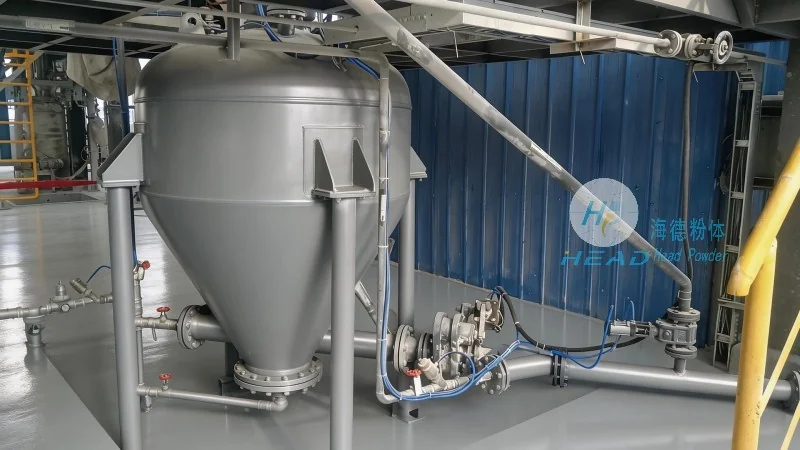
The Core Principle of Pneumatic Conveying for Iron Fines
The principle of pneumatic conveying involves the use of air or gas to transport solid materials through a pipeline. For iron fines, the system typically operates by creating a flow of air that moves the particles from a source to a destination. There are two primary types of pneumatic conveying systems: vacuum (or suction) systems and pressure (or blow) systems. Vacuum systems use a fan or blower to create a negative pressure that draws material into the pipeline, while pressure systems use a blower to generate positive pressure that pushes material through the line. The choice between these systems depends on factors such as the distance to be covered, the required flow rate, and the nature of the material being conveyed.
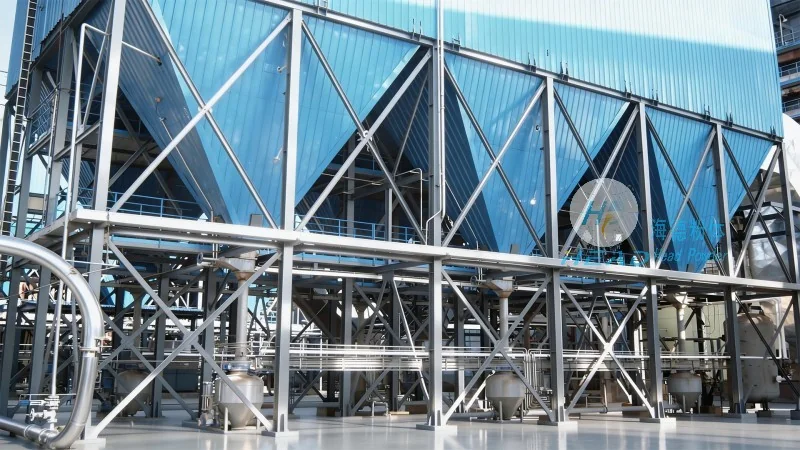
In the case of iron fines, the system must be designed to handle the specific properties of these particles. Iron fines are often irregularly shaped, with a high density (approximately 7.8 g/cm³) and a tendency to agglomerate or form clumps due to electrostatic charges or moisture. These characteristics can affect the flow behavior within the pipeline and the overall efficiency of the conveying process. To mitigate these issues, the conveying line is typically equipped with components such as in-line mixers, rotary valves, and airlocks. These components help to break up agglomerates, ensure a consistent flow rate, and prevent blockages. The air velocity within the pipeline is also a critical parameter, as it must be sufficient to maintain the material in suspension but not so high as to cause excessive wear on the system components, such as the pipeline and valves.
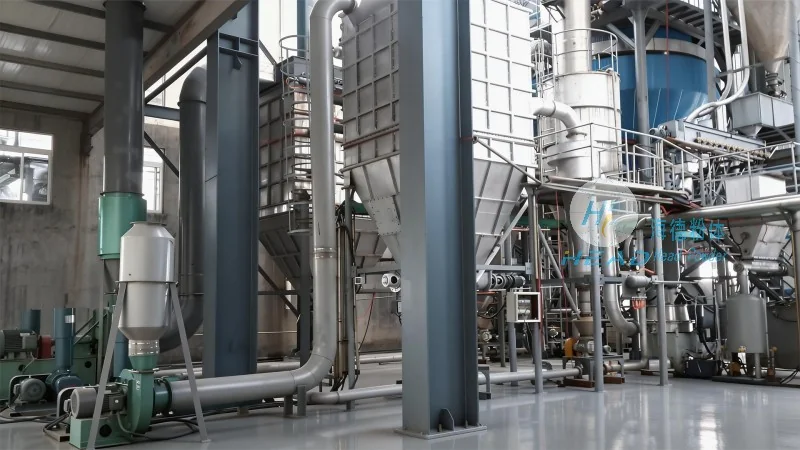
Key Working Scene Characteristics of Iron Fines Pneumatic Conveying Lines
The working scenarios for iron fines pneumatic conveying systems vary widely depending on the application and the industrial environment. Understanding these characteristics is essential for selecting the appropriate system design and ensuring optimal performance. Here are some of the most common working scene characteristics: