

Principle and Working Scene Characteristics of Dry Powder Pneumatic Conveying Systems
Understanding the principles and application scenarios of dry powder pneumatic conveying systems is crucial for industries that handle fine powders efficiently and safely. These systems represent a sophisticated method of transporting dry materials through a pipeline using air as the conveying medium, offering advantages over traditional mechanical methods such as reduced contamination, improved material handling flexibility, and enhanced process control.
Core Principle of Dry Powder Pneumatic Conveying
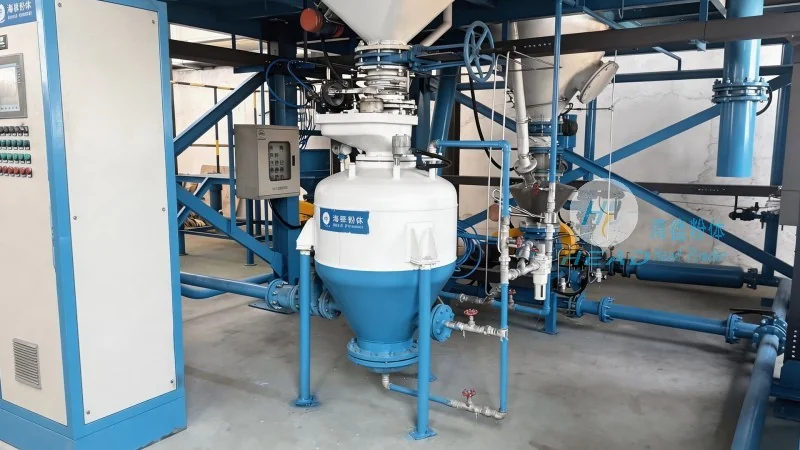
The fundamental principle of dry powder pneumatic conveying involves the use of compressed air or vacuum to move dry powders from a source to a destination. In a typical system, the powder is introduced into a pipeline where it is suspended and carried by the moving air stream. This process can be categorized into two main types: positive pressure and negative pressure (or vacuum) systems. Positive pressure systems use a blower to generate air pressure that pushes the powder through the pipeline, while negative pressure systems employ a vacuum pump to draw the powder from the source into the pipeline. The choice between these systems depends on factors like the distance, elevation changes, and material properties of the powder being conveyed.
Key Working Scene Characteristics
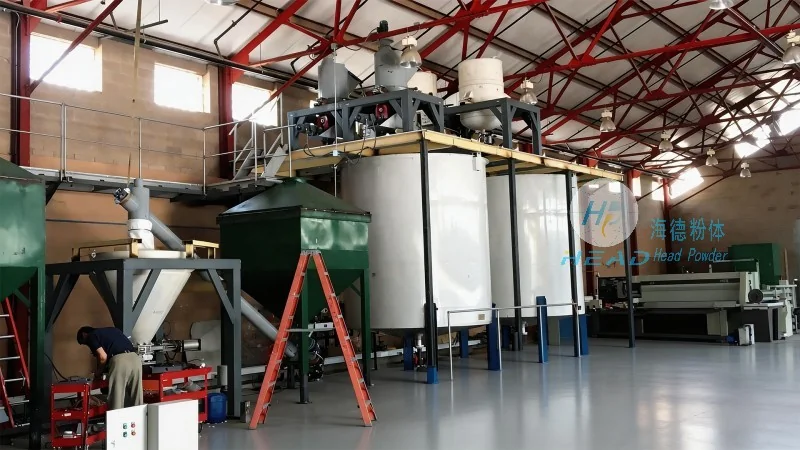
Dry powder pneumatic conveying systems are widely applied across various industries due to their adaptability and efficiency. In the chemical industry, these systems are essential for transporting raw materials and finished products, ensuring precise control over the flow rate and preventing contamination from external factors. The food and pharmaceutical sectors benefit from the hygienic design of these systems, which minimizes the risk of product contamination and maintains compliance with stringent regulatory standards. Additionally, in the mining and mineral processing industries, pneumatic conveying is used to transport bulk powders like ores and minerals, optimizing material handling and reducing the need for manual labor. The versatility of these systems also makes them suitable for applications in the agricultural sector, where they can be used to transport grain, fertilizer, or other agricultural products over short to medium distances.
Advantages and Considerations in Different Application Scenarios
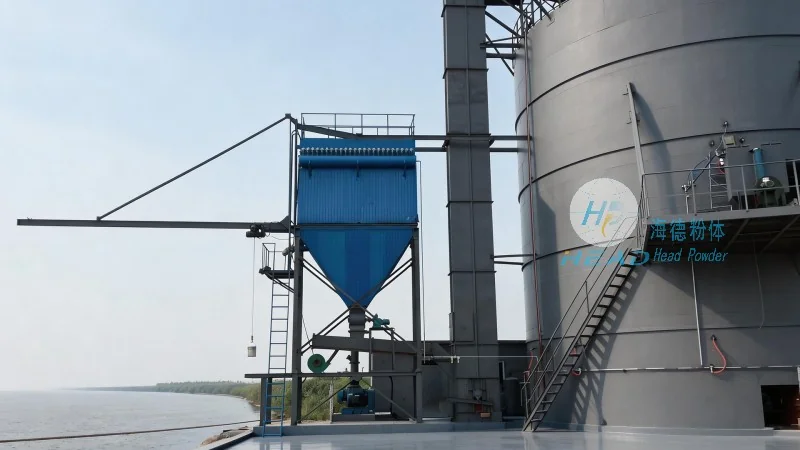
Across different working scenes, dry powder pneumatic conveying systems offer several key advantages. One of the most significant benefits is the ability to handle fine and abrasive powders without causing wear and tear on the equipment, as the materials are suspended in the air rather than being in direct contact with the pipeline walls. This reduces maintenance costs and extends the operational life of the system. Another advantage is the flexibility in system design, allowing for horizontal, vertical, or inclined pipe configurations to accommodate various layout requirements in industrial facilities. However, the effectiveness of these systems can be influenced by factors such as the moisture content of the powder, which can affect the air-powder ratio and system efficiency. Additionally, the choice of air velocity and pipeline diameter is critical to ensure that the powder remains suspended and does not settle, which is essential for maintaining consistent flow rates and preventing blockages.
Company Overview: Shandong HeadPowder Engineering Co., Ltd.
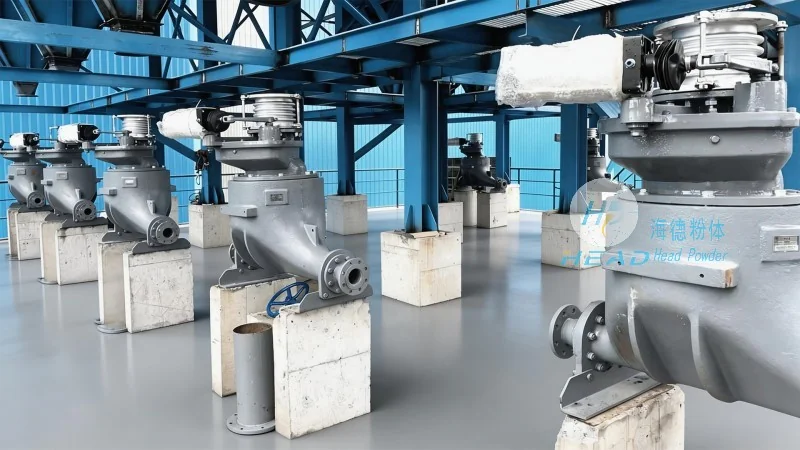
Shandong HeadPowder Engineering Co., Ltd., a leading provider of pneumatic conveying solutions, specializes in designing and manufacturing customized dry powder pneumatic conveying systems tailored to the specific needs of various industries. With a focus on innovation and quality, the company has established itself as a trusted partner for businesses seeking efficient and reliable material handling solutions. HeadPowder's expertise lies in understanding the unique challenges of different working scenes and developing systems that optimize performance, reduce operational costs, and enhance overall process efficiency. The company's facilities are located in Shandong, China, where it leverages advanced technology and a skilled workforce to deliver high-quality products and services to clients worldwide.