

Principle and Working Scene Characteristics of Gypsum Powder Pneumatic Conveying Lines
Gypsum powder, a widely used building material, requires efficient and reliable transportation methods to ensure smooth industrial processes. Pneumatic conveying lines offer a solution that combines technology and practicality, making them essential in various industrial applications. This article explores the fundamental principles behind gypsum powder pneumatic conveying systems and highlights the key characteristics of their working environments.
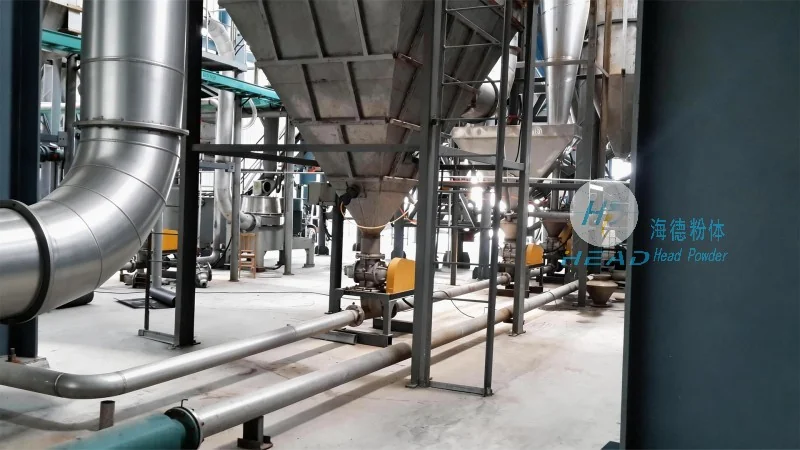
The Core Principle of Pneumatic Conveying for Gypsum Powder
The operation of a gypsum powder pneumatic conveying line is based on the principle of transporting bulk materials through a pipeline using air or gas as the conveying medium. In this system, a fan or blower generates airflow that draws or pushes the gypsum powder particles into the pipeline. The key components include a hopper for material storage, a feeder to control the flow rate, a conveying line, and a receiver to collect the material at the destination. The air-gypsum mixture travels through the pipeline, with the air providing the necessary force to move the powder while maintaining its integrity. This method eliminates the need for mechanical components like belts or buckets, reducing maintenance and increasing operational efficiency.
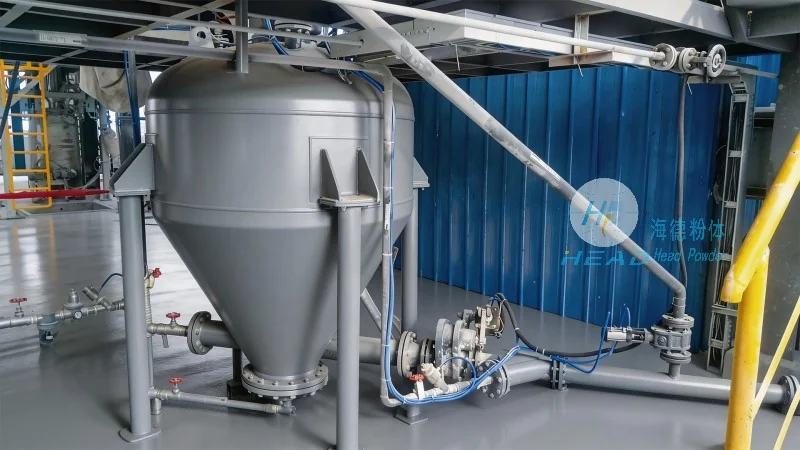
Working Scene Characteristics of Gypsum Powder Pneumatic Conveying Systems
The working environment of gypsum powder pneumatic conveying lines is tailored to the specific demands of industrial settings. These systems are commonly found in manufacturing plants, construction material production facilities, and processing centers where large volumes of gypsum powder need to be moved between different stages of production. The characteristics of these working scenes include:

- High Volume and Continuous Operation: Industrial applications often require continuous and high-volume material transport, which is efficiently handled by pneumatic conveying lines. The systems are designed to operate 24/7, ensuring uninterrupted production flow.
- Space Efficiency: Pneumatic conveying lines are space-saving as they use a network of pipes to transport material horizontally or vertically, minimizing the need for large storage areas or manual handling equipment.
- Low Maintenance and Durability: Unlike traditional mechanical conveyors, pneumatic systems have fewer moving parts, reducing wear and tear and lowering maintenance costs. The materials used in the pipeline construction are often corrosion-resistant, suitable for handling gypsum powder which may contain moisture or acidic components.
- Controlled Environment: The enclosed pipeline system prevents dust dispersion, which is crucial for maintaining a clean and safe working environment. This is particularly important in facilities where dust can affect product quality or worker health.
Application Scenarios in Real-World Industrial Settings
Gypsum powder pneumatic conveying lines are implemented in diverse industrial scenarios, each tailored to the specific needs of the process. For instance, in a gypsum board manufacturing plant, the system may transport raw gypsum powder from storage silos to the production line, where it is mixed with other ingredients. In a construction material processing facility, the line could move processed gypsum products from one processing unit to another, ensuring a seamless workflow. The adaptability of these systems allows them to integrate into existing industrial infrastructures with minimal disruption.
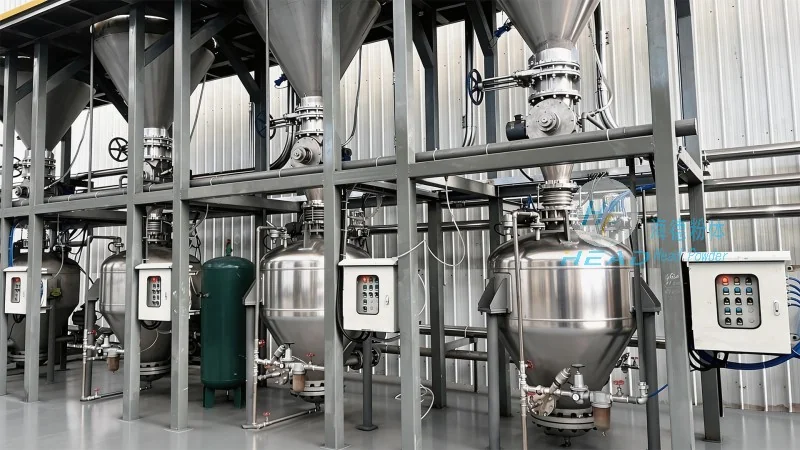
Company Profile: Shandong HeadPowder Engineering Co., Ltd.
As a leading provider in the field, Shandong HeadPowder Engineering Co., Ltd. specializes in designing and manufacturing advanced pneumatic conveying solutions for gypsum powder and other bulk materials. With a focus on innovation and customer-centric design, the company has established itself as a trusted partner in the industry. HeadPowder's expertise lies in creating customized systems that meet the unique requirements of each client, ensuring optimal performance and reliability. The company's facilities are located in Shandong, China, where it leverages local resources and expertise to deliver high-quality products and services to global markets.