

Principle and Working Scene Characteristics of Pigment Pneumatic Conveying Lines
HeadPowder, a leading enterprise in the field of material handling and processing, specializes in the design, manufacturing, and installation of advanced pigment pneumatic conveying systems. This article delves into the fundamental principles of these systems and highlights the key characteristics of their operational scenarios, providing a comprehensive overview for industry professionals and potential clients.
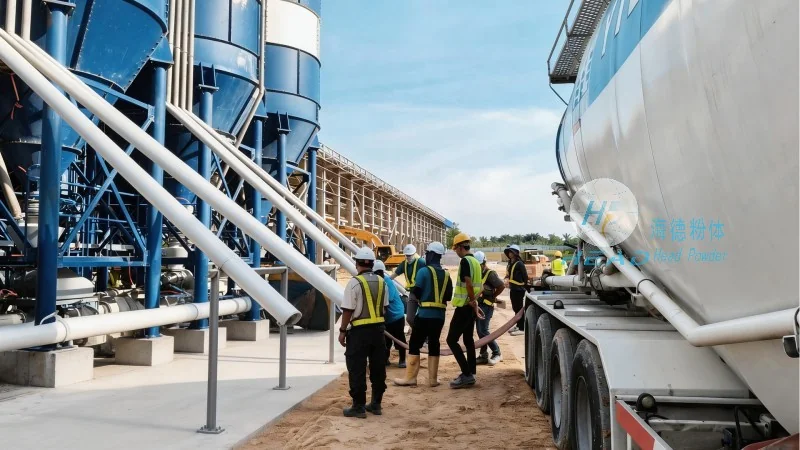
Understanding the Core Principle of Pigment Pneumatic Conveying Lines
Pigment pneumatic conveying lines operate on the principle of transporting dry powders, such as pigments, through a pipeline using a pressurized or vacuum air stream. The process involves several key components, including a material feed hopper, a conveyor line, a control system, and an air compressor or vacuum pump. As the pigment is fed into the system, it is introduced into the air stream, which then propels the material through the pipeline to the desired destination. This method offers significant advantages over traditional mechanical conveying, including reduced equipment wear, minimal product contamination, and the ability to handle materials that are difficult to transport via traditional methods.
Key Working Scene Characteristics of Pigment Pneumatic Conveying Systems
The operational characteristics of pigment pneumatic conveying lines are tailored to meet the specific demands of various industrial applications. These systems are commonly used in industries such as coatings, inks, plastics, and chemical manufacturing, where the precise and efficient handling of pigments is critical. The flexibility of pneumatic conveying allows for the integration of these systems into existing production lines, enabling seamless material transfer between processes. Additionally, the ability to handle a wide range of pigment types, from fine powders to bulk materials, makes these systems versatile and adaptable to diverse production needs.
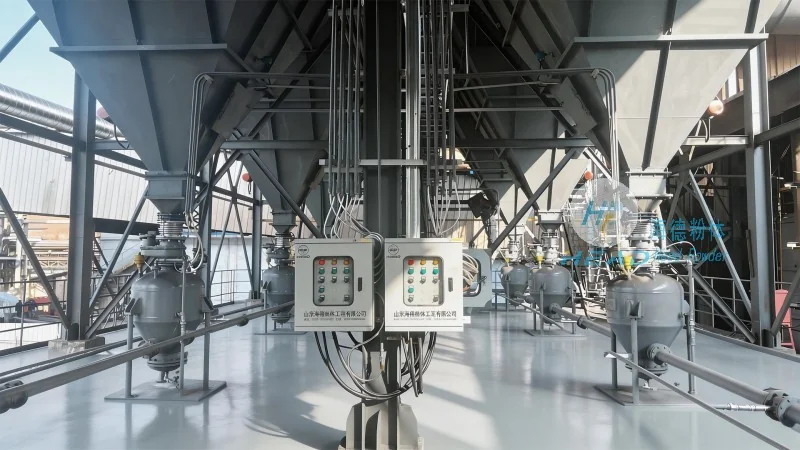
Application Scenarios in Different Industrial Environments
In the coatings industry, pigment pneumatic conveying lines are essential for transferring pigments from storage silos to mixing and manufacturing equipment. This ensures a consistent and controlled supply of raw materials, which is crucial for maintaining product quality and color accuracy. Similarly, in the ink manufacturing sector, these systems facilitate the efficient transfer of pigments to mixing tanks, reducing downtime and improving overall production efficiency. The chemical industry also benefits from these systems, as they can handle a variety of chemical powders and pigments, ensuring safe and reliable material handling in hazardous environments.
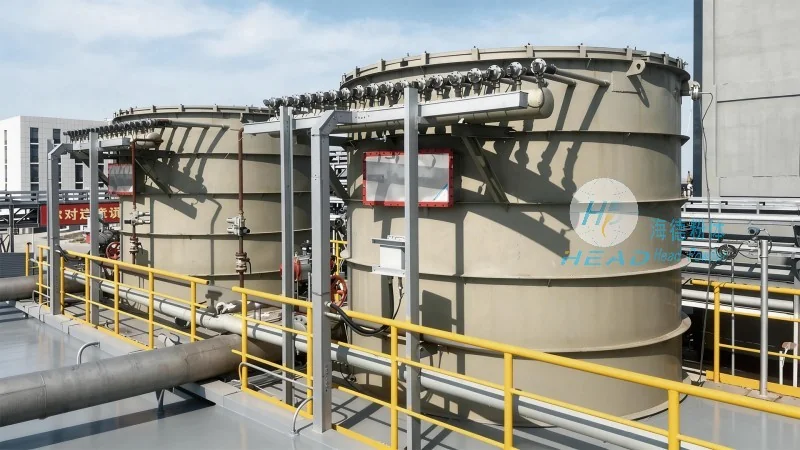
Advantages and Considerations in Practical Operations
One of the primary advantages of pigment pneumatic conveying lines is their ability to minimize product degradation and contamination. Unlike mechanical systems that may cause particle breakdown or mixing with foreign materials, pneumatic conveying maintains the integrity of the pigment particles. This is particularly important for high-value pigments used in premium coatings and inks. Furthermore, the systems are designed to be energy-efficient, with adjustable air pressure and flow rates that optimize performance while reducing operational costs. However, it is important to consider factors such as material moisture content, particle size, and the presence of abrasive materials when selecting a pneumatic conveying system, as these factors can impact system performance and longevity.
About Shandong HeadPowder Engineering Co., Ltd.
Shandong HeadPowder Engineering Co., Ltd., operating under the brand name HeadPowder, is a professional manufacturer and supplier of advanced material handling solutions. With a focus on innovation and quality, the company provides customized pigment pneumatic conveying systems tailored to the unique requirements of each client. HeadPowder's team of experts works closely with clients to understand their production processes and material handling challenges, ensuring that the delivered systems are efficient, reliable, and cost-effective. The company is committed to providing superior customer service and technical support, helping clients optimize their material handling operations and achieve their business goals.