

Principle and Working Scene Characteristics of Bulk Bin Pneumatic Conveying Systems
For industrial applications that require efficient material handling, bulk bin pneumatic conveying systems offer a reliable solution. These systems are designed to transport bulk materials from storage bins to processing or packaging areas using air pressure. Understanding the underlying principles and operational characteristics of such systems is crucial for optimizing performance and ensuring smooth operations in various industrial settings.
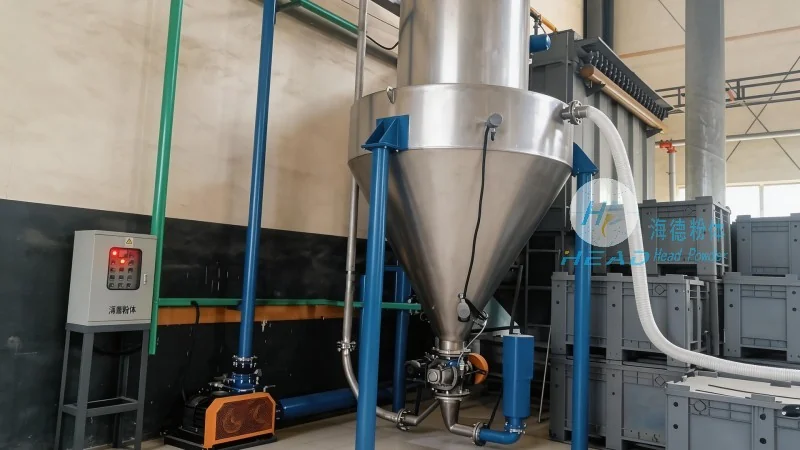
Core Principle of Bulk Bin Pneumatic Conveying Systems
The fundamental principle of bulk bin pneumatic conveying systems revolves around the use of compressed air to create a flow of material through a pipeline. The system typically consists of a bulk bin, a conveying line, a blower or air compressor, and a receiver or destination vessel. When the system is activated, compressed air is introduced into the bin, creating a low-pressure zone that draws the material into the conveying line. The material is then carried through the pipeline to the receiving point, where the air is released and the material is deposited. This process eliminates the need for mechanical components like belts or buckets, reducing maintenance requirements and increasing operational efficiency.
Key Working Scene Characteristics
Bulk bin pneumatic conveying systems are widely used in diverse industrial environments, each presenting unique characteristics that influence system design and performance. The following are some common working scene characteristics and how they are addressed by these systems:
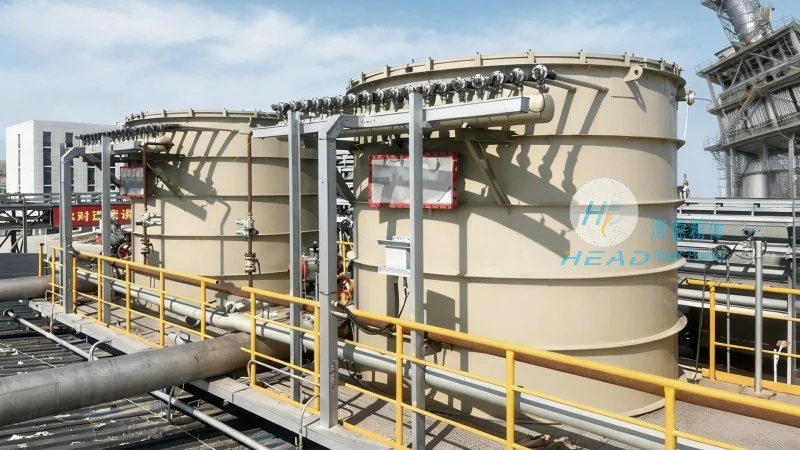
Material Handling in Manufacturing Facilities
In manufacturing facilities, bulk bin pneumatic conveying systems are often employed to transport raw materials from storage bins to production lines. For example, in the chemical or food processing industries, these systems can handle powders, granules, or bulk solids with varying particle sizes and moisture content. The ability to transport materials without direct contact reduces contamination risks, which is critical in food processing applications. Additionally, the systems can be integrated with automated control systems to synchronize material flow with production schedules, enhancing overall operational efficiency.
Storage and Distribution in Warehouses
Warehouses and distribution centers frequently utilize bulk bin pneumatic conveying systems to manage inventory and streamline material movement. These systems can efficiently transfer bulk materials from storage bins to loading docks or shipping containers. The flexibility of pneumatic conveying allows for the handling of different material types, such as grains, plastics, or construction materials, without the need for manual handling or forklifts. This not only improves safety by reducing the risk of accidents but also accelerates the loading and unloading processes, contributing to faster order fulfillment.
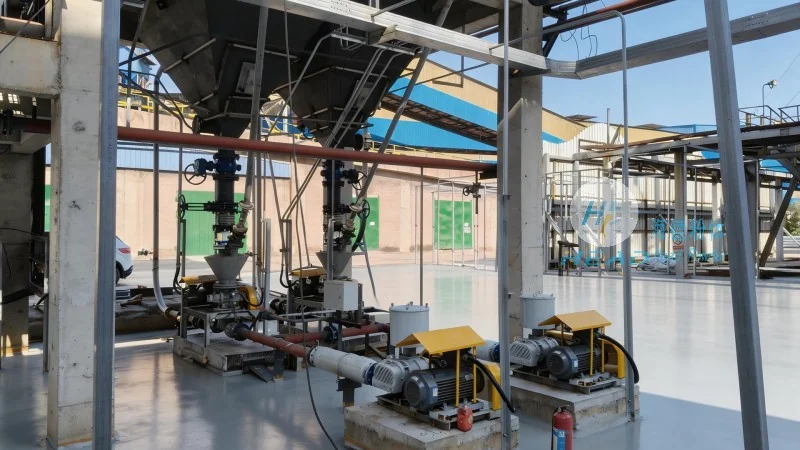
Process Integration in Processing Plants
In processing plants, such as those involved in pharmaceuticals or ceramics, bulk bin pneumatic conveying systems play a vital role in integrating material handling with production processes. The systems can be designed to transport materials directly into processing equipment, minimizing downtime and ensuring a continuous flow of raw materials. For instance, in a pharmaceutical plant, these systems can convey active ingredients or excipients from bulk bins to mixing or packaging units. The precise control of air pressure and flow rates allows for consistent material delivery, which is essential for maintaining product quality and adhering to regulatory standards.
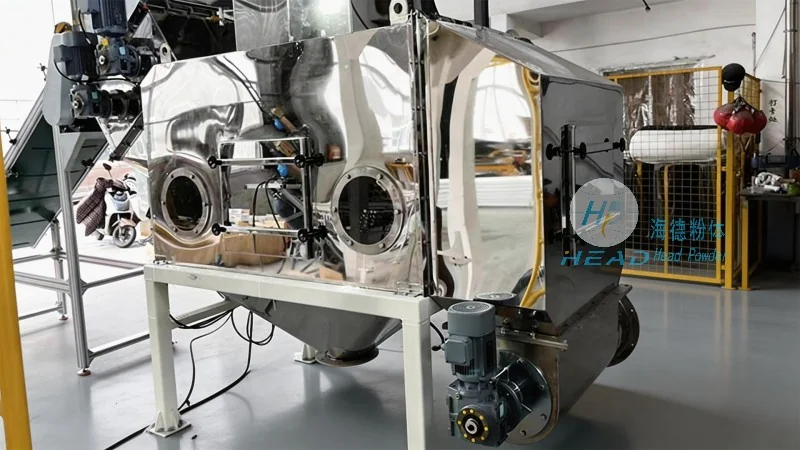
Environmental Considerations in Industrial Operations
Another important characteristic of bulk bin pneumatic conveying systems is their ability to handle materials in a manner that minimizes environmental impact. Unlike mechanical systems that may generate dust or noise, pneumatic conveying can be designed to operate with low noise levels and reduced dust emissions. This is particularly beneficial in industries where environmental regulations are stringent, such as in the food or pharmaceutical sectors. The systems can also be equipped with dust collection and filtration systems to further enhance environmental performance, ensuring compliance with local and international standards.
Company Profile: Shandong HeadPowder Engineering Co., Ltd.
As a leading provider of bulk bin pneumatic conveying solutions, Shandong HeadPowder Engineering Co., Ltd. specializes in designing and manufacturing systems tailored to the specific needs of industrial clients. With a focus on innovation and quality, the company has established itself as a trusted partner in the material handling industry. HeadPowder's expertise lies in understanding the diverse operational requirements of different industries and developing customized solutions that optimize performance, reduce costs, and enhance safety. The company's headquarters is located in Shandong, China, where it leverages local resources and expertise to deliver high-quality products and services to clients worldwide.