

Principle and Application Characteristics of High-Pressure Dense-Phase Pneumatic Conveying Systems
High-pressure dense-phase pneumatic conveying systems represent a sophisticated and efficient method for transporting bulk materials. These systems are designed to handle a wide range of materials, from fine powders to granular solids, with precision and reliability. The technology behind these systems is rooted in the principles of fluid dynamics and material handling, making them an essential solution for industries that require safe, clean, and continuous material transport.
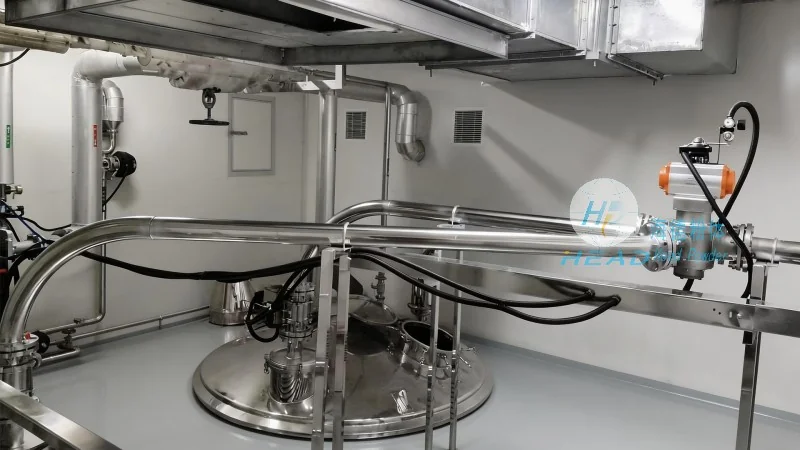
Company Introduction
HeadPowder, or Shandong HeadPowder Engineering Co., Ltd., is a leading provider of advanced material handling solutions. With a strong presence in China, particularly in Shandong province, the company specializes in designing, manufacturing, and implementing high-pressure dense-phase pneumatic conveying systems. Our expertise lies in tailoring systems to meet the specific needs of various industries, ensuring optimal performance and durability.
Principle of High-Pressure Dense-Phase Pneumatic Conveying
The core principle of high-pressure dense-phase pneumatic conveying involves the use of compressed air to transport materials in a dense phase, typically at a solid-to-gas ratio of 0.5 to 0.8. This method contrasts with traditional dilute-phase systems, which operate at lower pressures and higher gas velocities. The dense-phase approach minimizes material degradation, reduces wear on equipment, and enhances overall system efficiency. By controlling the air pressure and flow rate, operators can achieve precise control over material flow, ensuring consistent delivery to the destination.
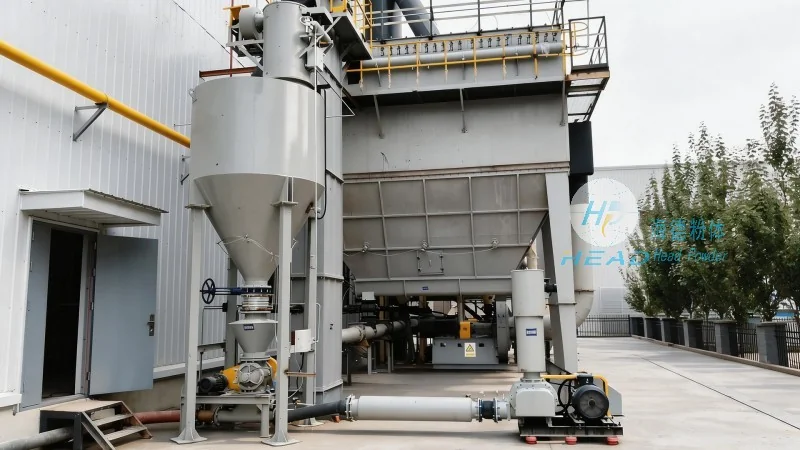
Key Components and Working Mechanism
High-pressure dense-phase pneumatic conveying systems consist of several critical components, each playing a vital role in the overall operation. The main components include a positive displacement blower or compressor, a hopper or feeder, a conveying line, and a receiver or discharge unit. The process begins with the material being fed into the hopper, where it is then introduced into the conveying line under high pressure. The compressed air, typically at pressures ranging from 7 to 15 bar, propels the material through the pipeline. The dense phase ensures that the material particles are closely packed, reducing the risk of segregation and ensuring uniform flow.
Advantages of High-Pressure Dense-Phase Conveying
One of the primary advantages of high-pressure dense-phase pneumatic conveying is its ability to handle a wide variety of materials, including those that are abrasive, corrosive, or sensitive to moisture. The system minimizes material degradation by reducing particle impact and friction. Additionally, it offers a clean and dust-free operation, which is crucial for industries such as food, pharmaceuticals, and chemicals. The dense-phase approach also reduces the wear on equipment, leading to lower maintenance costs and longer service life. Furthermore, the system provides excellent control over material flow, allowing for precise dosing and delivery, which is essential for process control in manufacturing.
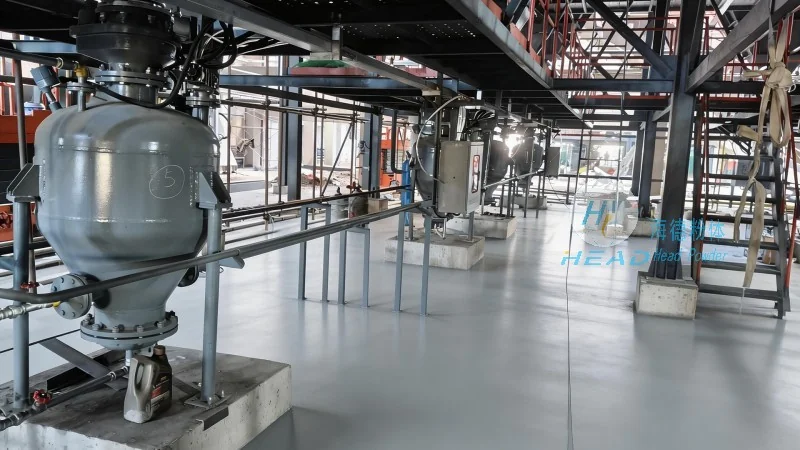
Typical Working Scenarios and Applications
High-pressure dense-phase pneumatic conveying systems are widely used in various industrial applications. In the chemical industry, they are employed to transport powders and granules for processing, such as in the production of fertilizers, pigments, and plastics. The food and pharmaceutical sectors utilize these systems for handling sensitive materials like flour, sugar, and active pharmaceutical ingredients (APIs), ensuring product integrity and compliance with sanitary standards. In the mining and mineral processing industry, dense-phase conveying is used to transport raw materials and finished products, improving efficiency and reducing labor costs. Additionally, the system is applied in the cement and concrete industries for transporting cement and additives, contributing to the overall productivity of the production line.
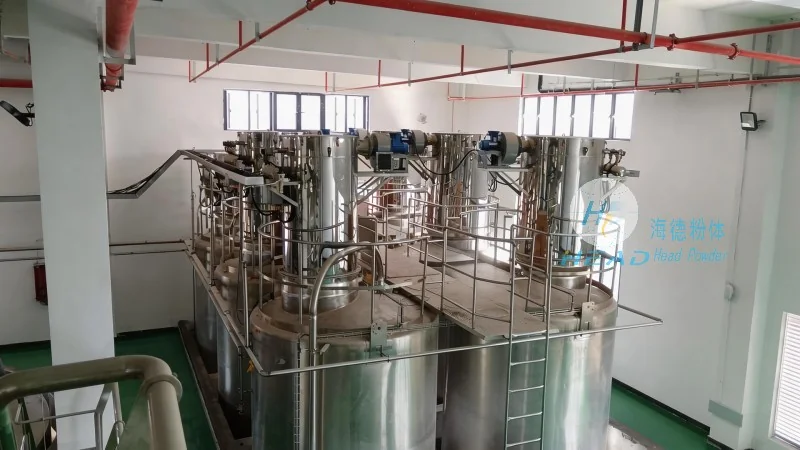
Operational Considerations and Best Practices
Successful operation of high-pressure dense-phase pneumatic conveying systems requires careful consideration of several factors. Material properties, such as particle size, density, and moisture content, must be evaluated to determine the appropriate system configuration. The design of the hopper and feeder is critical to ensure consistent material flow and prevent blockages. Regular maintenance of the blower and conveying line is essential to maintain system performance and prevent downtime. Additionally, monitoring air pressure and flow rates is necessary to ensure optimal operation and detect any potential issues early. By adhering to best practices, such as proper material preparation and regular system checks, operators can maximize the efficiency and longevity of the high-pressure dense-phase pneumatic conveying system.
Conclusion
High-pressure dense-phase pneumatic conveying systems offer a reliable and efficient solution for bulk material transport. With their ability to handle diverse materials and provide precise control, these systems are indispensable in modern industrial operations. HeadPowder, with its expertise and commitment to quality, continues to provide advanced material handling solutions that meet the evolving needs of industries worldwide. By leveraging the principles of dense-phase conveying, companies can enhance their operational efficiency, reduce costs, and ensure the safe and consistent transport of materials.