

Principle and Application Scenarios of Trilithium Ion Pneumatic Conveying Equipment
Trilithium ion pneumatic conveying equipment is a specialized system engineered for the efficient and safe transportation of trilithium ion materials, commonly utilized in industrial settings where precise material handling is critical. This equipment operates by leveraging an air or gas stream to move powders or granules through a pipeline network, offering advantages such as reduced contamination, minimal product degradation, and enhanced safety compared to traditional mechanical conveying methods.
Principle of Trilithium Ion Pneumatic Conveying
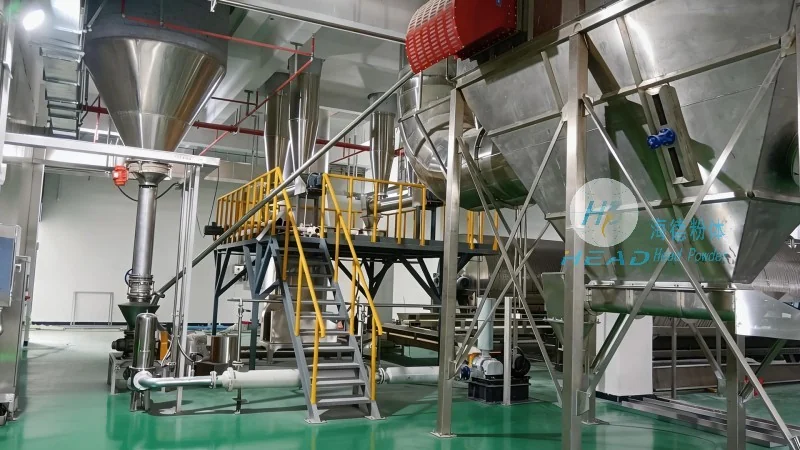
The core principle of trilithium ion pneumatic conveying systems revolves around the use of a pressurized air stream to transport material particles. The system typically comprises a material feed hopper, a conveying line, and a receiver or discharge point. As material is introduced into the hopper, it is drawn into the conveying line by the moving air, which creates a low-pressure zone that pulls the material forward. The air velocity is carefully controlled to ensure that the material particles are entrained without causing excessive wear on system components. This method of conveying is particularly effective for trilithium ion powders due to their fine particle size and potential sensitivity to mechanical stress.
Key Components and Their Functions
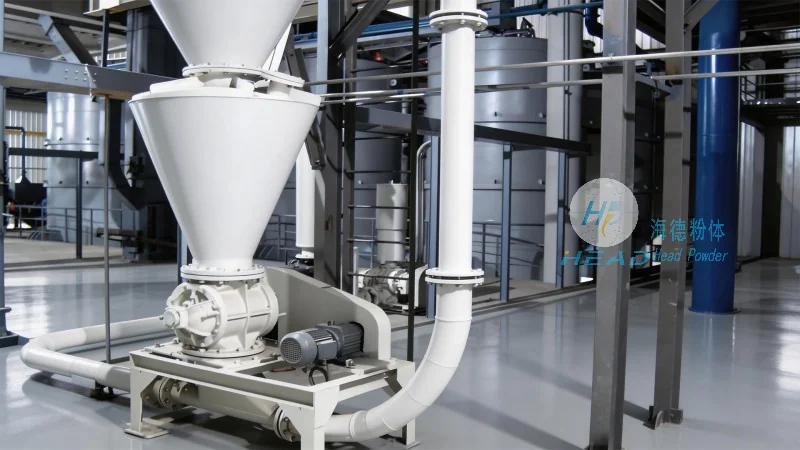
Several critical components work in unison to ensure the smooth operation of trilithium ion pneumatic conveying equipment. The material feed hopper is responsible for storing and feeding the trilithium ion material into the system. It often includes a rotary valve or feeder to control the flow rate and prevent material buildup. The conveying line, usually constructed from stainless steel or other corrosion-resistant materials, is designed to withstand the pressure and temperature conditions of the material being transported. The air compressor or blower generates the necessary air pressure to move the material, with the pressure level adjusted based on the material's characteristics and the distance to be conveyed. The receiver or discharge hopper collects the material at the end of the conveying line, and may include a dust collection system to ensure environmental compliance. Each component is engineered to handle the unique properties of trilithium ion materials, ensuring reliable and efficient operation.
Working Scenarios and Application Examples
Trilithium ion pneumatic conveying equipment is widely applied in various industrial sectors where the handling of trilithium ion powders is required. One common application is in battery manufacturing facilities, where trilithium ion powders are used as raw materials for lithium-ion batteries. The equipment is used to transport these powders from storage silos to production lines, ensuring a continuous and controlled supply of material. Another application is in chemical processing plants, where trilithium ion powders are used as catalysts or additives in chemical reactions. The pneumatic conveying system allows for precise dosing and mixing of the material, improving the efficiency and consistency of the chemical processes. Additionally, in pharmaceutical and food processing industries, trilithium ion powders may be used as ingredients, and the equipment provides a hygienic and contamination-free method of transporting these materials. The versatility of trilithium ion pneumatic conveying equipment makes it suitable for a wide range of applications, from small-scale laboratory operations to large-scale industrial production.
Advantages and Considerations for Trilithium Ion Conveying
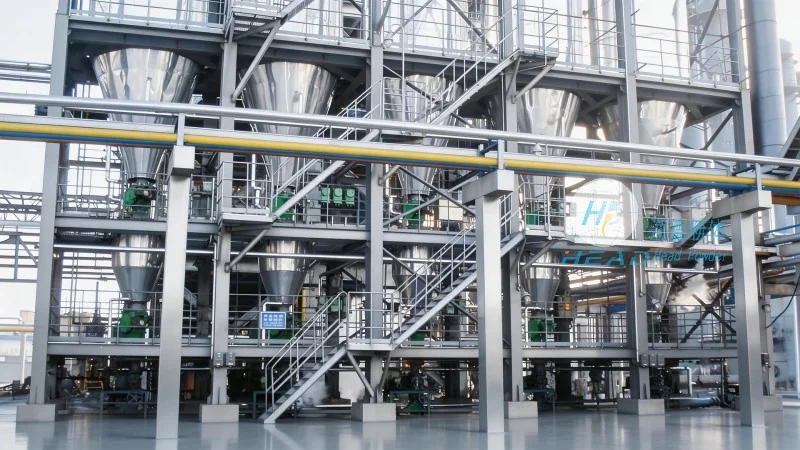
When implementing trilithium ion pneumatic conveying systems, several advantages and considerations must be taken into account. The primary advantage is the ability to transport trilithium ion materials in a closed system, which minimizes exposure to air and moisture, thereby preserving the material's quality and preventing contamination. This is particularly important for trilithium ion powders, which can be sensitive to environmental factors. Another advantage is the reduced risk of dust explosions compared to open conveying systems, as the material is contained within the pipeline. However, the system requires careful design to prevent blockages and ensure consistent air flow, especially with fine trilithium ion powders that may have a tendency to agglomerate. The initial investment and maintenance costs of the equipment should also be considered, as the system includes components such as high-pressure air compressors and specialized piping. Despite these considerations, the benefits of efficient and safe material handling often outweigh the costs, making trilithium ion pneumatic conveying a preferred choice in many industrial applications.
Conclusion and Company Information
Trilithium ion pneumatic conveying equipment offers a reliable and efficient solution for the transportation of trilithium ion materials in various industrial settings. By understanding the principles and components of the system, as well as the specific requirements of trilithium ion powders, industries can optimize their material handling processes. Shandong HeadPowder Engineering Co., Ltd., a leading provider of pneumatic conveying solutions, specializes in designing and manufacturing customized trilithium ion conveying systems tailored to the unique needs of each client. With a focus on quality, safety, and performance, the company ensures that its equipment meets the highest standards for handling trilithium ion materials. Based in Shandong, China, HeadPowder Engineering Co., Ltd. serves clients globally, providing expert consultation and support to help industries achieve efficient and safe material transportation. Whether for battery manufacturing, chemical processing, or other applications, the company's trilithium ion pneumatic conveying equipment is designed to deliver superior performance and reliability.