

Principles and Working Scene Characteristics of Intelligent Centralized Pneumatic Conveying Systems
Shandong HeadPowder Engineering Co., Ltd., a professional manufacturer based in Shandong, China, specializes in the development and production of advanced pneumatic conveying systems. The company focuses on delivering intelligent centralized solutions that enhance material handling efficiency across diverse industrial applications.
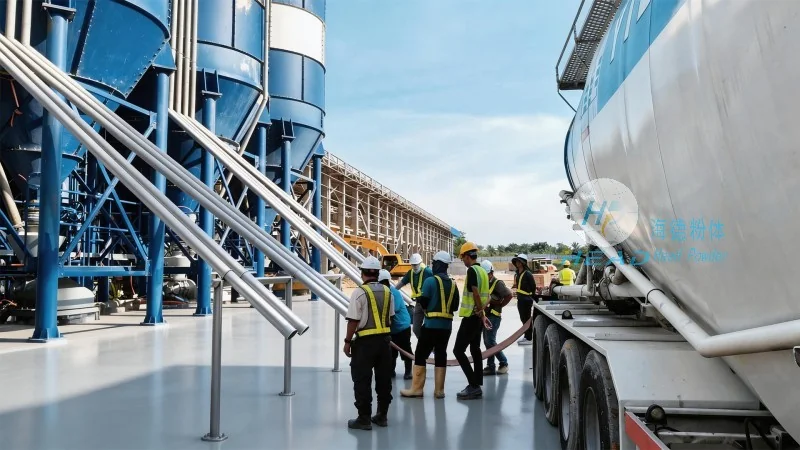
Introduction to Intelligent Centralized Pneumatic Conveying Systems
Intelligent centralized pneumatic conveying systems represent a sophisticated approach to bulk material transportation, integrating modern control technologies with traditional pneumatic conveying principles. These systems are designed to manage the movement of powders and granules from multiple source points to a central processing or storage location, optimizing workflow and reducing operational complexity in industrial settings.
Core Operational Principles
The fundamental principle of pneumatic conveying is the use of air pressure to transport materials through a pipeline network. In an intelligent centralized system, this process is enhanced by a centralized control unit that monitors and regulates conveying parameters in real time. Key components include material hoppers for feeding, conveying lines with appropriate diameters and lengths, cyclone separators for material separation from air, and filtration systems to ensure clean air discharge. The intelligent control system employs sensors and algorithms to adjust air pressure, flow rate, and material feed rates dynamically, ensuring consistent and efficient material transfer.
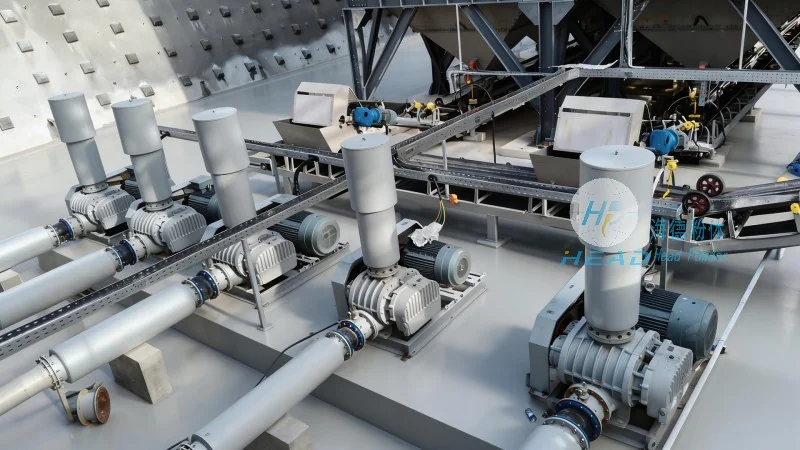
Working Scene Characteristics and Industry Applications
These systems are particularly well-suited for industries requiring precise and hygienic material handling, such as pharmaceuticals, food processing, chemicals, and powder manufacturing. The centralized design allows for seamless integration of multiple material sources, enabling a single system to handle diverse materials from different production lines or storage areas. For instance, in a pharmaceutical plant, the system can transport active pharmaceutical ingredients (APIs) from raw material hoppers to mixing and packaging units while maintaining strict contamination control. In the food industry, it ensures that powders like flour or sugar are transferred without cross-contamination, adhering to stringent hygiene standards.

Advantages in Practical Implementation
The intelligent centralized pneumatic conveying system offers several distinct advantages over conventional pneumatic conveying setups. Firstly, the centralized control reduces the need for multiple individual systems, lowering capital and operational costs. Secondly, real-time monitoring and automatic fault detection minimize downtime by allowing quick identification and resolution of issues. Thirdly, the system's ability to handle varying material properties and flow rates provides flexibility in adapting to changing production demands. Additionally, the energy-efficient design, often incorporating variable frequency drives (VFDs) for air compressors, reduces long-term operational expenses.
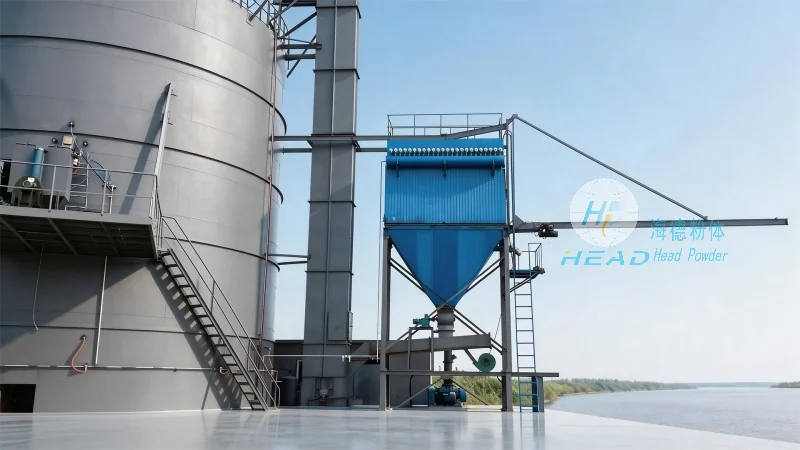
Key Features Enhancing Operational Efficiency
Advanced features of these systems include automatic pressure regulation, which adjusts air pressure based on the material's density and pipeline length, optimizing energy use. The integration of sensors for air flow, pressure, and material level provides comprehensive data for performance analysis and predictive maintenance. Furthermore, the system's modular design allows for easy expansion or modification as production needs evolve, ensuring long-term adaptability. The intelligent control also supports remote monitoring capabilities, enabling operators to manage the system from a central location, enhancing overall operational oversight.
Conclusion on System Performance and Industry Impact
Intelligent centralized pneumatic conveying systems, as exemplified by those offered by Shandong HeadPowder Engineering Co., Ltd., represent a significant advancement in material handling technology. By combining centralized control, real-time monitoring, and adaptive algorithms, these systems enhance efficiency, reduce costs, and improve product quality in various industrial applications. The practical implementation of such systems in sectors like pharmaceuticals and food processing underscores their role in modernizing production processes and meeting stringent industry standards.