

Principle and Working Scene Characteristics of Stone Chippings Pneumatic Conveying Systems
HeadPowder, a leading provider in the field of material handling solutions, specializes in the design, manufacturing, and installation of advanced pneumatic conveying systems. With a strong presence in Shandong, China, the company has established itself as a trusted partner for industries requiring efficient and reliable material transport. This article delves into the fundamental principles of stone chippings pneumatic conveying systems and explores the key characteristics of their operational environments.
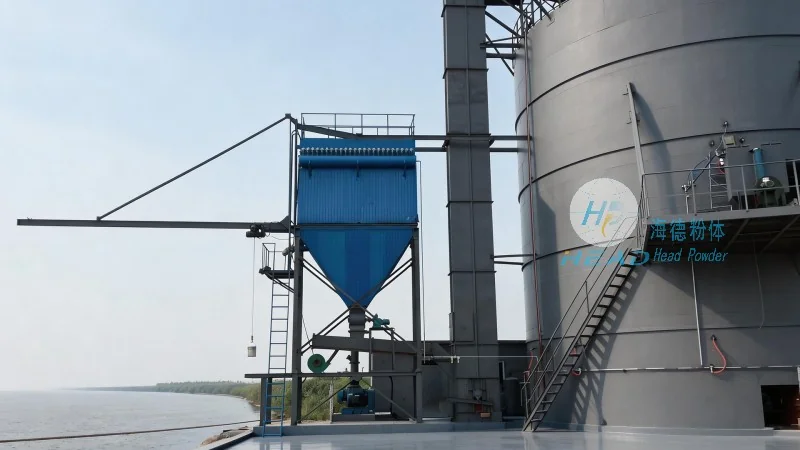
Introduction to Stone Chippings Pneumatic Conveying Systems
Stone chippings, also known as gravel or crushed stone, are widely used in construction, road building, and landscaping applications. Traditional methods of transporting these materials, such as trucks or conveyor belts, often face challenges like dust generation, material spillage, and limited flexibility. Pneumatic conveying systems offer a modern solution that addresses these issues by utilizing air pressure to move materials through a network of pipes. HeadPowder's expertise lies in developing customized systems tailored to the unique requirements of stone chippings, ensuring optimal performance and efficiency.
Core Principles of Pneumatic Conveying for Stone Chippings
The fundamental principle of pneumatic conveying involves the use of compressed air to create a flow that transports solid particles through a pipeline. In the case of stone chippings, the system typically operates under positive pressure, where air is forced through the material to move it from the source to the destination. Key components of a typical system include a hopper or feeder to introduce the material, a blower or compressor to generate the air pressure, a pipeline network to guide the flow, and a receiver or separator to collect the material at the end of the line. The design of these components is critical to ensure smooth and continuous operation, especially when dealing with materials that vary in size and density.
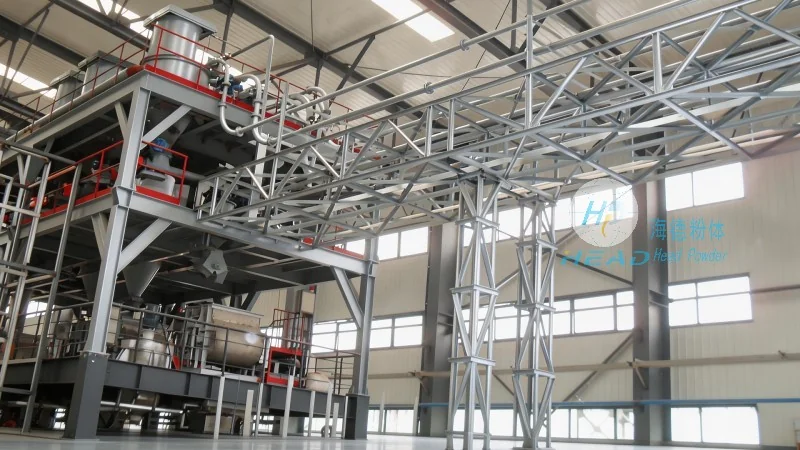
Working Scene Characteristics and Applications
Stone chippings pneumatic conveying systems are deployed in diverse operational environments, each with specific characteristics that influence system design and performance. For instance, in construction sites, the system must handle large volumes of material while maintaining a clean working area, minimizing dust and noise pollution. In mining operations, the system may need to transport materials over longer distances or through complex terrain, requiring robust and durable components that can withstand harsh conditions. Additionally, in concrete mixing plants, the system ensures a consistent supply of stone chippings, contributing to the quality and efficiency of the production process.
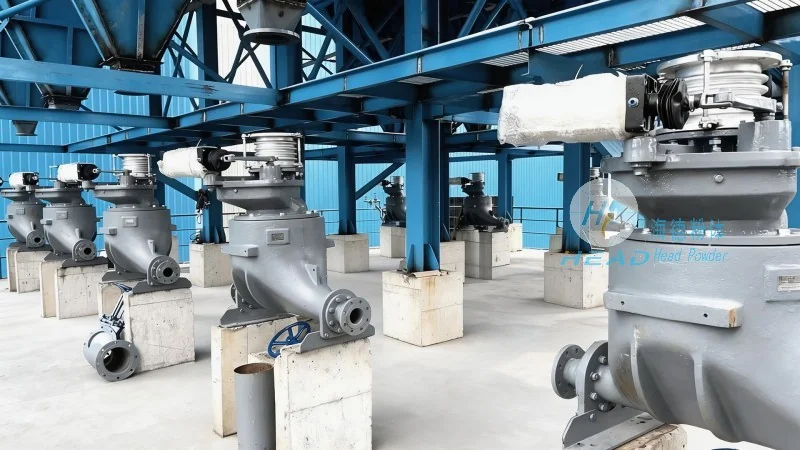
Advantages and Operational Efficiency
One of the primary advantages of pneumatic conveying systems for stone chippings is their ability to handle materials with varying particle sizes and shapes without the need for additional processing. The system's flexibility allows for easy integration into existing workflows, reducing downtime and increasing overall productivity. Furthermore, the enclosed pipeline design minimizes environmental impact by containing dust and preventing material loss, which is particularly important in urban or residential areas. HeadPowder's systems are engineered to deliver high efficiency, with minimal energy consumption and low maintenance requirements, making them a cost-effective solution for long-term material handling needs.

Customization and Technical Support from HeadPowder
HeadPowder understands that each project has unique challenges and requirements. The company provides comprehensive technical support, from initial system design and engineering to installation and after-sales service. By leveraging advanced simulation tools and industry expertise, HeadPowder ensures that the pneumatic conveying system is optimized for the specific characteristics of the stone chippings and the operational environment. This customization approach not only enhances performance but also extends the lifespan of the equipment, providing customers with a reliable and sustainable solution for their material handling needs.
Conclusion
Stone chippings pneumatic conveying systems represent a significant advancement in material handling technology, offering efficient, clean, and flexible solutions for various industries. HeadPowder's commitment to innovation and quality has positioned the company as a leader in this field, providing customers with systems that meet the highest standards of performance and reliability. As the demand for sustainable and efficient material transport continues to grow, pneumatic conveying systems will play an increasingly important role in the construction and industrial sectors, and HeadPowder remains at the forefront of this evolution.