

Principle and Working Scene Characteristics of Grass Powder Pneumatic Conveying Systems
Grass powder, as a key raw material in various industries such as animal feed, biofuel, and organic fertilizer production, requires efficient and reliable handling solutions to ensure smooth production processes. The pneumatic conveying system for grass powder, developed by Shandong HeadPowder Engineering Co., Ltd., is a specialized equipment designed to transport grass powder from storage to processing units with minimal loss and maximum efficiency. This article will explore the fundamental principles behind this system and its typical working scenarios, highlighting how it addresses the unique challenges of handling fine, dry, and potentially dusty materials.
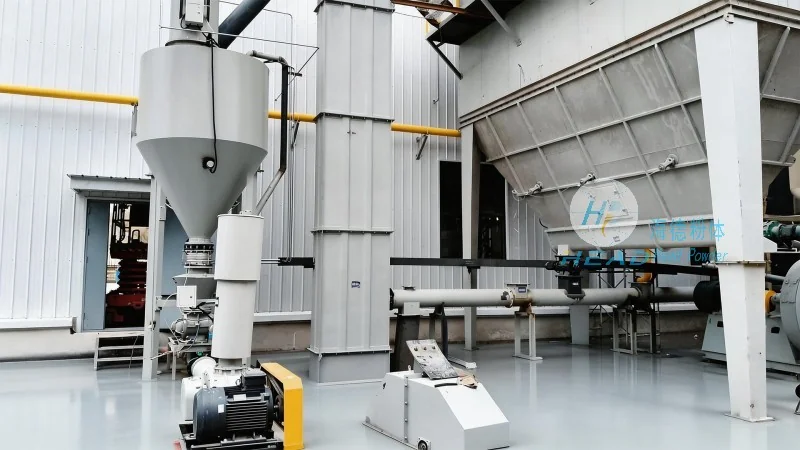
1. Core Principle of Pneumatic Conveying for Grass Powder
The pneumatic conveying system operates on the principle of using compressed air or gas to transport solid materials through a pipeline. In the case of grass powder, the system typically employs a positive pressure or negative pressure (or a combination of both) method to move the material. The positive pressure system injects air into the material stream, creating a high-pressure environment that propels the powder through the pipeline. Conversely, the negative pressure system draws the material into the pipeline using a vacuum, which is then mixed with air to facilitate transport. For grass powder, which is often light and prone to dust generation, the positive pressure system is commonly preferred as it offers better control over material flow and reduces the risk of dust accumulation in the system.
At the heart of the system is the conveying pipeline, which is usually made of stainless steel or other corrosion-resistant materials to withstand the abrasive nature of grass powder. The pipeline is equipped with various components, including inlet hoppers, air locks, flexible hoses, and control valves. The inlet hopper is designed to feed the grass powder into the system, while the air lock ensures that only a controlled amount of material is released at a time, preventing backflow and maintaining consistent flow rates. Flexible hoses are used to connect different sections of the pipeline, allowing for easy installation and maintenance, and control valves regulate the air pressure and flow rate to optimize the conveying process.
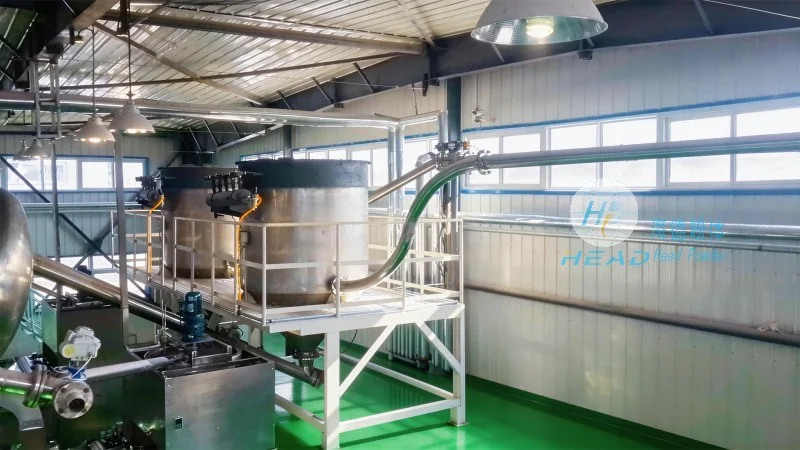
The system also incorporates air separation and cleaning equipment to manage the dust generated during the conveying process. This includes cyclone separators, filters, and dust collectors that capture the fine particles of grass powder and return them to the main material stream or dispose of them as required. Proper air separation is crucial for maintaining the quality of the grass powder and preventing dust-related issues such as clogging or equipment damage.
2. Working Scene Characteristics of Grass Powder Pneumatic Conveying Systems
The working scenarios of grass powder pneumatic conveying systems vary depending on the specific application and production scale. In animal feed manufacturing, for example, the system is used to transport grass powder from storage silos to mixing and pelleting units. The system must be capable of handling large volumes of material at a consistent rate to meet the high demand of feed production. The working environment in this scenario is typically industrial, with the system integrated into a larger production line, requiring high reliability and minimal downtime.
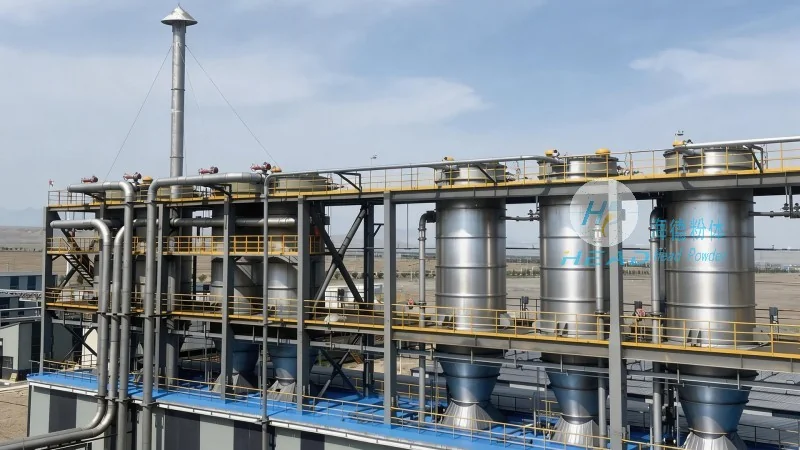
In biofuel production, the pneumatic conveying system is used to transport grass powder from the harvesting and drying stages to the pelletizing or gasification units. The material in this application is often more moisture-sensitive, and the system must be designed to minimize moisture loss and prevent clogging due to moisture absorption. The working scene may involve outdoor storage and indoor processing, requiring the system to be weather-resistant and durable.
For organic fertilizer production, the system is used to convey grass powder from the grinding and mixing stages to the packaging units. The material in this application is often mixed with other organic components, and the system must be able to handle a variety of particle sizes and compositions. The working scene may involve batch processing or continuous production, with the system designed to adapt to different production schedules and material types.
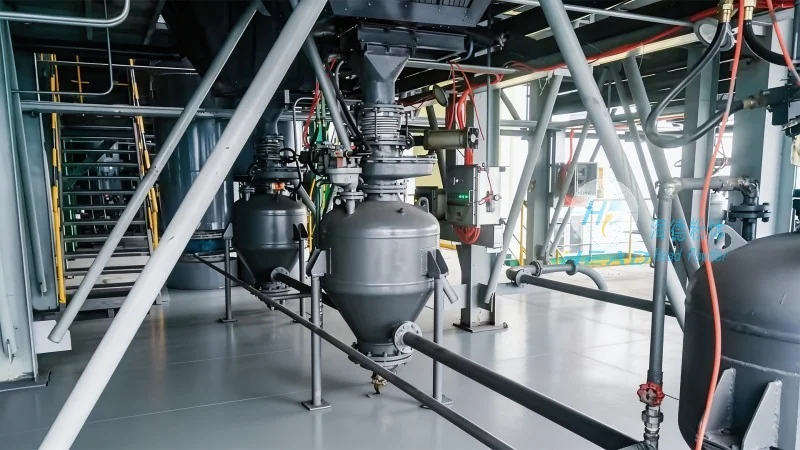
In addition to these industrial applications, the pneumatic conveying system for grass powder is also used in research and development laboratories to transport small quantities of material for testing and analysis. The system in this scenario is typically smaller and more flexible, allowing for precise control over material flow and pressure. The working environment is more controlled, with the system designed to minimize contamination and ensure accurate measurements.
3. Advantages of Using Pneumatic Conveying for Grass Powder
Compared to traditional conveying methods such as belt conveyors or bucket elevators, the pneumatic conveying system offers several advantages when handling grass powder. First, it provides a dust-free and hygienic environment, which is crucial for food and feed applications. The enclosed pipeline system prevents dust from spreading into the workplace, reducing the risk of respiratory issues and contamination. Second, the system is highly efficient in terms of energy consumption, as it uses compressed air to move the material, which is more energy-efficient than mechanical conveyors that require moving parts and continuous power. Third, the system is flexible and can be easily adjusted to handle different material types and flow rates, making it suitable for various production scenarios. Fourth, the system is compact and can be installed in tight spaces, which is beneficial for facilities with limited floor space. Finally, the system is low-maintenance, as it has fewer moving parts compared to mechanical conveyors, reducing the need for frequent repairs and maintenance.