

Principle and Working Scene Characteristics of Gray Calcium Pneumatic Conveying Systems
Shandong HeadPowder Engineering Co., Ltd., a leading provider in the field, specializes in the design, manufacturing, and implementation of advanced pneumatic conveying systems tailored for handling gray calcium materials. This article delves into the fundamental principles behind these systems and explores the key characteristics of their operational environments, offering insights into how such technology optimizes material transport in industrial settings.
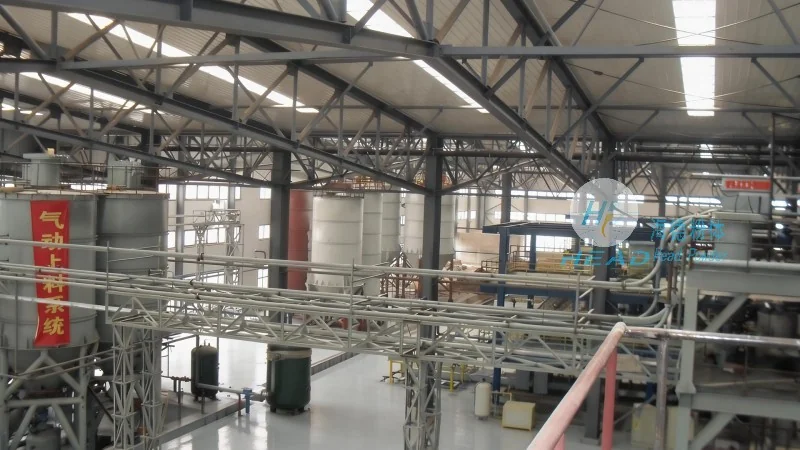
The Core Principle of Pneumatic Conveying
The pneumatic conveying system operates on the principle of using compressed air or gas to transport bulk materials through a pipeline. For gray calcium, which is typically a fine powder or granular substance, this method provides an efficient and dust-free alternative to traditional mechanical conveying. The system typically consists of a hopper, a rotary valve, a conveying line, and a receiver. The material is fed into the hopper, and as compressed air is introduced, it creates a flow that propels the gray calcium particles through the pipeline to the desired destination. This process minimizes material degradation, reduces contamination risks, and enhances overall operational safety compared to methods like belt conveyors or bucket elevators.
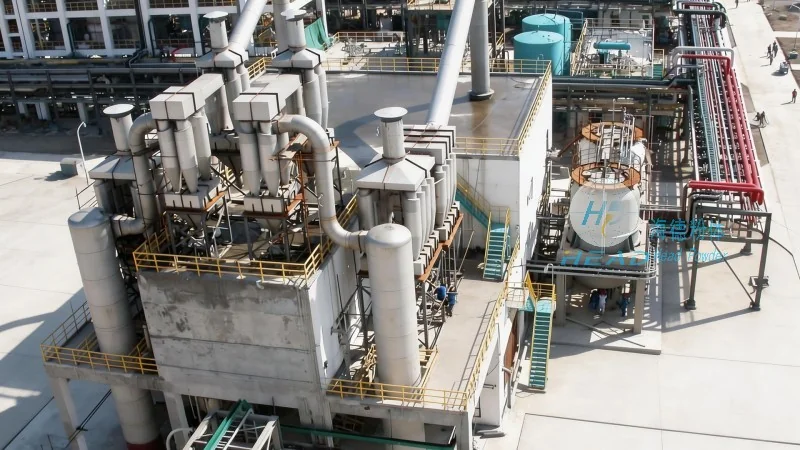
Key Working Scene Characteristics
The operational environments for gray calcium pneumatic conveying systems are diverse and tailored to specific industrial needs. These systems are commonly employed in manufacturing facilities where gray calcium is used as a raw material in products like construction materials, coatings, or industrial chemicals. The key characteristics of these working scenes include:
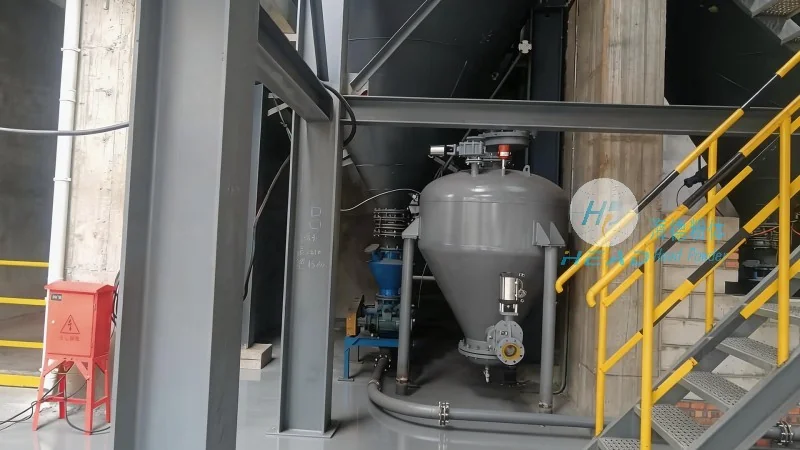
- High Efficiency and Capacity: Pneumatic conveying systems can handle large volumes of gray calcium with minimal downtime, ensuring continuous production flow. The design allows for adjustable flow rates to match production demands, optimizing throughput without compromising material quality.
- Dust Control and Environmental Compliance: Unlike open-air conveying methods, pneumatic systems enclose the material transport process, significantly reducing dust emissions. This feature is crucial for maintaining a clean working environment and adhering to environmental regulations, particularly in regions with strict air quality standards.
- Space Efficiency and Flexibility: The compact design of pneumatic conveying lines allows for installation in confined spaces or areas with complex layouts. The flexibility of the system enables easy integration with existing production lines, minimizing the need for extensive facility modifications. This adaptability is essential for industries that require rapid changes in production processes or material handling routes.
- Reduced Maintenance and Operational Costs: Compared to mechanical conveyors, pneumatic systems often have lower maintenance requirements due to fewer moving parts and less wear from material abrasion. The enclosed nature of the system also reduces the risk of material buildup and blockages, leading to lower operational costs over the long term.
Application Scenarios in Industrial Production
Gray calcium pneumatic conveying systems are widely utilized in various industrial applications, each tailored to the specific requirements of the process. For instance, in the production of cement or concrete additives, these systems efficiently transport gray calcium from storage silos to mixing stations, ensuring consistent material delivery and quality control. In the manufacturing of coatings or paints, the fine powder nature of gray calcium requires precise handling to avoid agglomeration, and pneumatic conveying provides the necessary control to maintain particle size and distribution. Additionally, in chemical processing facilities, where gray calcium is used as a filler or additive, the system's ability to handle fine powders without contamination is critical for producing high-purity products.
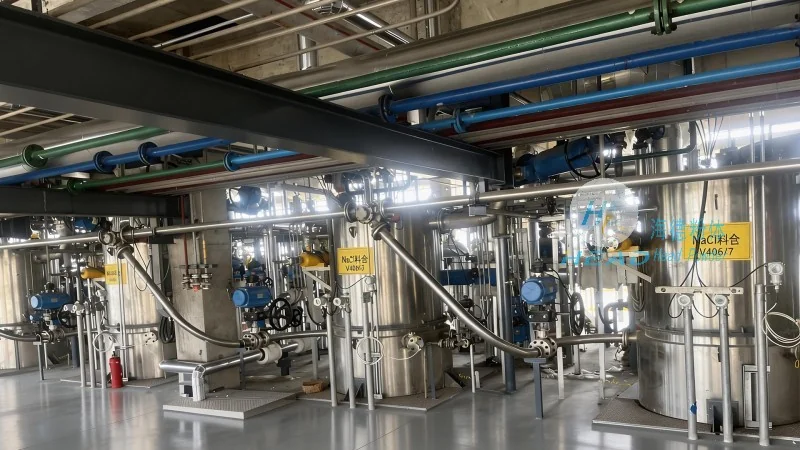
Conclusion and Company Expertise
Shandong HeadPowder Engineering Co., Ltd. leverages its expertise in pneumatic conveying technology to deliver customized solutions for gray calcium handling. By understanding the unique properties of gray calcium and the specific demands of each industrial application, the company designs systems that maximize efficiency, safety, and cost-effectiveness. The principles and characteristics outlined in this article highlight the advantages of pneumatic conveying systems in modern industrial operations, underscoring the importance of advanced material handling technology in optimizing production processes.