

Principles and Application Scenarios of Ammonia Fertilizer Pneumatic Conveying
Ammonia fertilizer, as a critical agricultural nutrient, demands efficient and safe transportation from production sites to farms or storage facilities. Pneumatic conveying technology provides a reliable solution for handling this material, and understanding its operational principles and application scenarios is vital for optimizing agricultural supply chains.
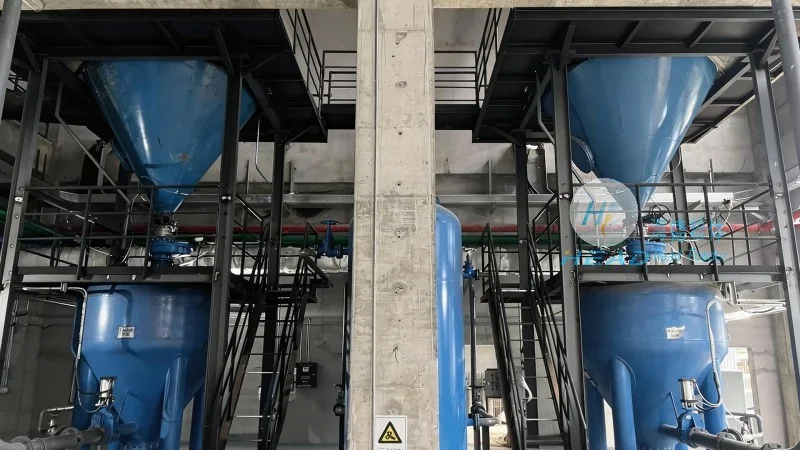
Introduction to Ammonia Fertilizer Pneumatic Conveying
Ammonia fertilizer, also known as ammonia-based nitrogenous fertilizers, is widely utilized in modern agriculture due to its high nitrogen content and effectiveness in promoting plant growth. The transportation of these materials requires systems capable of managing the material's properties, such as its corrosive nature and potential for pressure buildup. Pneumatic conveying systems offer a closed-loop, low-maintenance solution that minimizes material loss and ensures safe transport.
Core Principles of Pneumatic Conveying for Ammonia Fertilizer
The fundamental principle of pneumatic conveying involves using air or gas to transport bulk materials through a pipeline. For ammonia fertilizer, the system typically operates under positive pressure, where compressed air is introduced to move the fertilizer particles. This method eliminates the need for mechanical components like buckets or belts, reducing wear and tear and maintenance costs. The process relies on balancing air velocity and particle size to ensure efficient transport without clogging or degradation of the fertilizer.
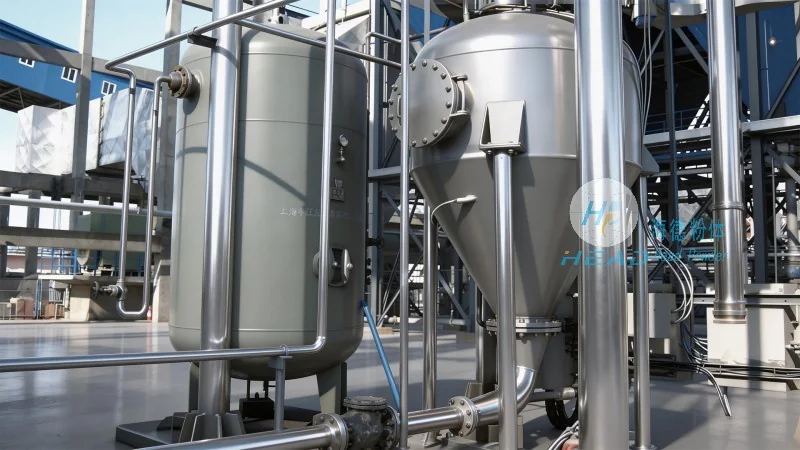
Key Components and System Design
A typical ammonia fertilizer pneumatic conveying system includes several critical components. The system begins with a hopper or storage silo where the fertilizer is stored. From there, a feeder mechanism—such as a rotary valve or screw feeder—regulates the flow of material into the pipeline. The conveying line is usually constructed from corrosion-resistant materials like stainless steel or specialized alloys to withstand the chemical properties of ammonia. A blower or compressor provides the necessary air pressure, and the system may include filters and cyclones to separate the air from the fertilizer at the receiving end. The design of the system is tailored to the specific characteristics of the ammonia fertilizer, including particle size distribution, moisture content, and flowability.
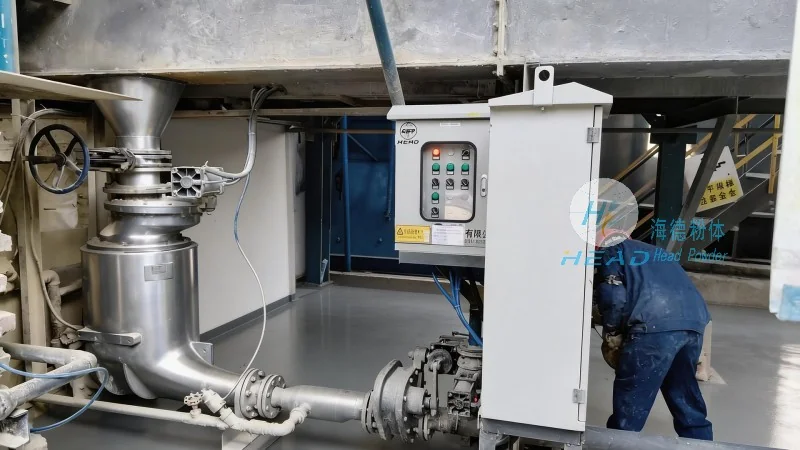
Advantages of Pneumatic Conveying in Ammonia Fertilizer Handling
Pneumatic conveying offers several advantages over traditional methods like truck or rail transport. Firstly, it provides a closed system that prevents contamination and material loss, which is crucial for ammonia fertilizers due to their environmental impact. Secondly, the system is highly flexible, allowing for vertical and horizontal transport over long distances without complex infrastructure. Thirdly, it reduces labor costs and operational downtime by minimizing manual handling and mechanical failures. Additionally, the system can be integrated with other processing equipment, such as mixing or packaging units, to create a seamless production line.
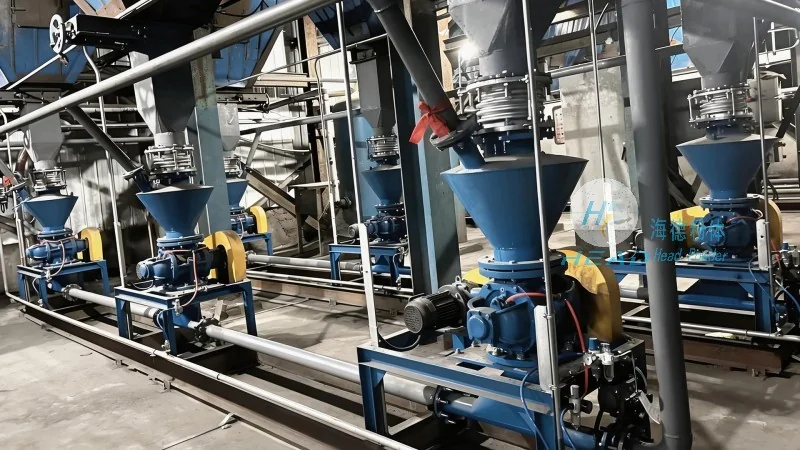
Application Scenarios and Operational Considerations
The application of ammonia fertilizer pneumatic conveying varies based on the scale of operation and the specific needs of agricultural facilities. For large-scale fertilizer production plants, the system is often used to transport bulk quantities from storage silos to processing units or loading terminals. In farm settings, smaller-scale systems may be employed to move fertilizer from storage bins to application equipment. Operational considerations include maintaining proper air pressure and flow rates to prevent clogging, ensuring regular inspection for corrosion or leaks, and adhering to safety protocols due to the hazardous nature of ammonia. Proper maintenance, such as cleaning filters and checking blower performance, is essential for consistent and reliable operation.
Case Study: Implementation by Shandong HeadPowder Engineering Co., Ltd.
Shandong HeadPowder Engineering Co., Ltd., a leading provider of engineering solutions for bulk material handling, has successfully implemented ammonia fertilizer pneumatic conveying systems in various projects. Based in China, the company specializes in designing and manufacturing customized systems that meet unique agricultural requirements. Their expertise in material handling and process engineering has enabled them to develop efficient solutions that enhance productivity and safety in fertilizer transportation. By leveraging advanced technology and robust design, HeadPowder has helped clients optimize supply chains and reduce operational costs, demonstrating the effectiveness of pneumatic conveying in ammonia fertilizer handling.