

Working Principle and Features of Activated Carbon Powder Pneumatic Conveying Systems
Activated carbon powder pneumatic conveying systems are essential in industrial processes for the efficient and safe transportation of activated carbon powders. These systems play a crucial role in various industries, including environmental protection, water treatment, and chemical manufacturing, where the reliable handling of fine powders is critical. The technology ensures that activated carbon, a key material for adsorption and filtration, can be moved from storage to processing units without the need for traditional bulk handling methods, which often involve high labor costs and potential contamination risks.
Introduction to HeadPowder and Their Expertise
HeadPowder, a leading manufacturer based in Shandong, China, specializes in the design, manufacturing, and installation of advanced pneumatic conveying systems. With a strong commitment to quality and innovation, the company has established itself as a trusted partner for industries requiring high-performance powder handling solutions. HeadPowder's team of engineers and technicians brings extensive experience in understanding the unique challenges of transporting activated carbon powders, ensuring that their systems are tailored to meet specific operational requirements. The company's headquarters and main facilities are located in Shandong, China, where they leverage local resources and expertise to deliver cutting-edge solutions for global clients.
The Working Principle of Activated Carbon Powder Pneumatic Conveying Systems
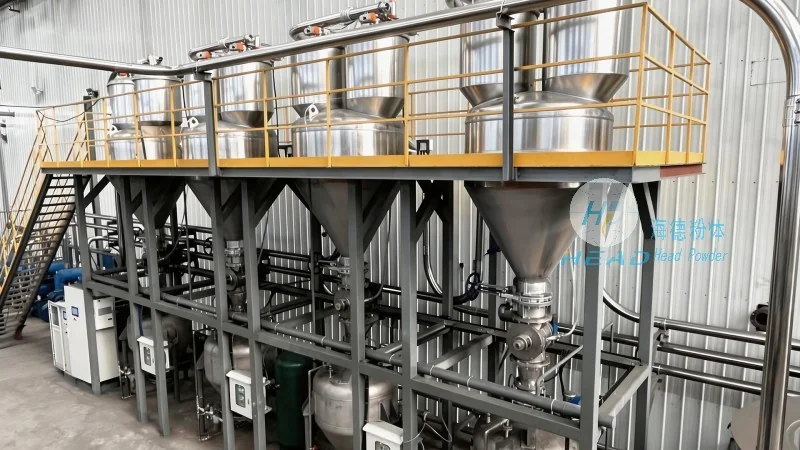
The core of an activated carbon powder pneumatic conveying system lies in its ability to use air or gas to transport powders through a pipeline network. The system operates based on the principle of creating a pressure differential between the conveying line and the ambient environment. There are two primary types of pneumatic conveying systems: positive pressure and negative pressure (or vacuum) systems. In a positive pressure system, air is forced into the conveying line at a pressure higher than the ambient pressure, pushing the powder particles forward. This method is commonly used for short to medium-distance conveying and is effective for handling powders that are not highly abrasive or corrosive. The positive pressure system typically includes a blower, a hopper for powder storage, a feeder to control the flow rate, and a pipeline network that connects the storage and processing areas. The air and powder mixture travels through the pipeline, and the powder is deposited at the destination through a receiver or cyclone separator.
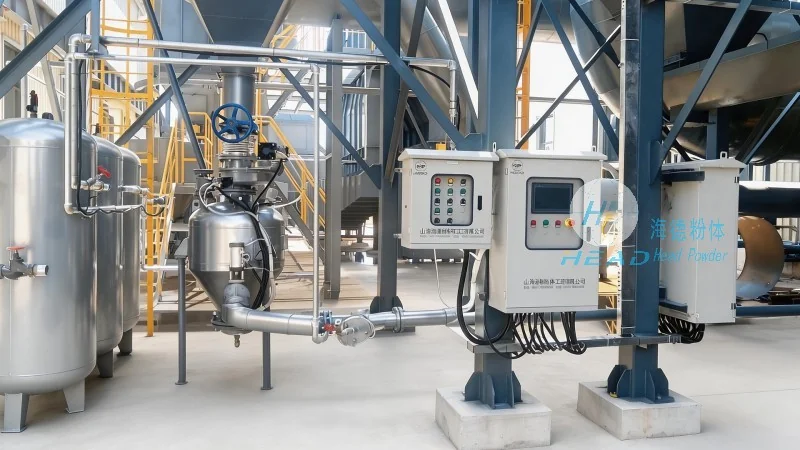
On the other hand, a negative pressure (vacuum) system draws air and powder particles into the conveying line using a vacuum pump. This approach is suitable for longer distances and for handling powders that are more sensitive to air exposure or for applications where dust control is a priority. The vacuum system includes a vacuum pump, a hopper, a feeder, and a pipeline that leads to the processing unit. The vacuum creates a suction effect, pulling the powder particles into the line and transporting them to the destination. Both systems rely on the proper design of the pipeline, including the use of appropriate materials (such as stainless steel or plastic) to prevent powder buildup and corrosion, and the selection of suitable components like check valves and filters to maintain system efficiency and prevent blockages.
Key Features and Advantages of Activated Carbon Powder Pneumatic Conveying Systems
Activated carbon powder pneumatic conveying systems offer several distinct advantages over traditional handling methods. One of the most significant benefits is the high efficiency in transporting powders over long distances with minimal loss. The systems can handle large volumes of activated carbon powder, reducing the need for frequent manual handling and storage, which in turn lowers operational costs. Additionally, pneumatic conveying is a closed system, which helps in maintaining the purity of the activated carbon and preventing contamination from external sources. This is particularly important in industries where the quality of the activated carbon is critical, such as in water treatment and air purification applications.
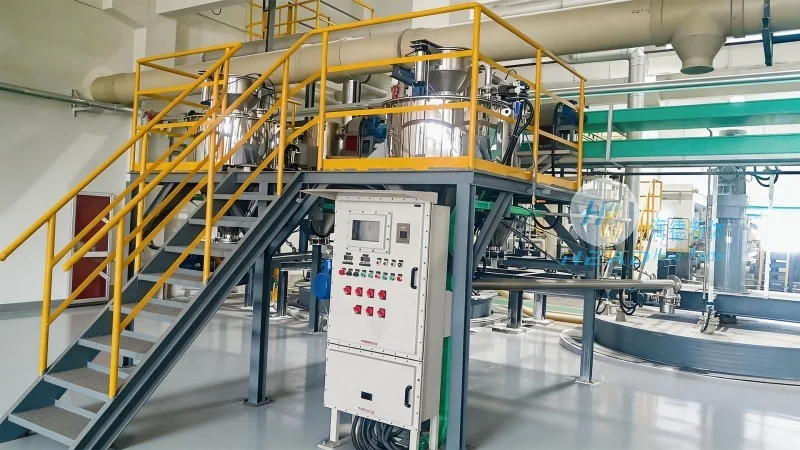
Another key feature is the safety aspect. Since the system is enclosed, it minimizes the risk of dust explosions or inhalation of fine particles by workers. The use of positive or negative pressure control ensures that the powder is contained within the pipeline, reducing the likelihood of dust dispersion into the workplace environment. Furthermore, the systems are designed to be flexible, allowing for easy integration with existing production lines and the ability to adjust the conveying rate based on operational needs. This adaptability makes them suitable for various production scales, from small-scale laboratory applications to large industrial plants.
The systems also contribute to environmental sustainability by reducing the need for manual handling and the associated carbon footprint. The closed-loop design minimizes waste and the release of airborne particles, aligning with modern environmental regulations and corporate sustainability goals. HeadPowder's systems are engineered to meet these standards, incorporating features like dust collection and filtration to ensure compliance with environmental regulations and to protect the health of workers and the surrounding community.
Customization and Application Flexibility
HeadPowder understands that each industrial application has unique requirements, and their pneumatic conveying systems are designed to be customizable to meet specific needs. The company offers a range of options, including different types of feeders (such as rotary valves or screw feeders) to control the flow rate of activated carbon powder, and various pipeline configurations to accommodate different distances and layouts. For example, in water treatment plants, the system may need to transport activated carbon from a storage silo to a filtration unit over a distance of several hundred meters, requiring a robust positive pressure system with a high-capacity blower. In contrast, a chemical manufacturing facility might require a vacuum system to transport activated carbon from a processing unit back to a storage area, ensuring that the powder is handled without exposure to air that could affect its properties.
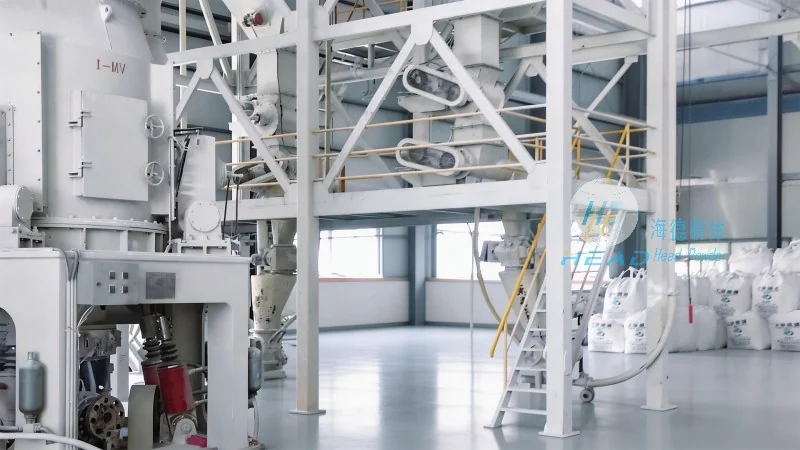
The company's engineering team works closely with clients to assess their operational needs, including the type and quantity of activated carbon powder, the distance of transportation, and the environmental and safety requirements. Based on this assessment, they design a system that optimizes performance, efficiency, and cost-effectiveness. HeadPowder's commitment to customization ensures that their systems are not only effective but also tailored to the specific challenges of each application, providing long-term reliability and minimal maintenance.
Conclusion and Future Outlook
Activated carbon powder pneumatic conveying systems, as exemplified by the solutions offered by HeadPowder, represent a significant advancement in industrial powder handling technology. By combining efficient transportation with safety and environmental benefits, these systems address the critical needs of industries that rely on activated carbon for their operations. As technology continues to evolve, HeadPowder remains at the forefront of innovation, developing new solutions that enhance the performance and sustainability of pneumatic conveying systems. The company's focus on quality, customization, and customer satisfaction ensures that their systems continue to meet the evolving demands of the market, providing reliable and efficient solutions for the handling of activated carbon powders in various industrial applications.