

Principles and Working Scene Characteristics of Feed Pneumatic Conveying
Feed pneumatic conveying is a critical technology in the animal feed industry, enabling efficient and safe transportation of bulk materials. This article explores the fundamental principles behind this process and highlights the key characteristics of its working scenes, providing insights into how it enhances operational efficiency in feed processing facilities.
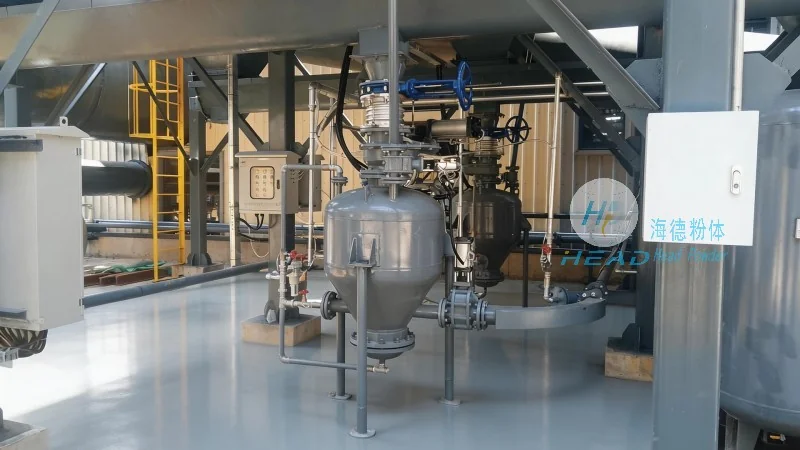
Introduction to Feed Pneumatic Conveying
Feed pneumatic conveying systems utilize air or gas to transport bulk materials, such as feed ingredients, from one location to another within a processing plant. Unlike traditional mechanical conveying methods, this technology offers several advantages, including reduced labor costs, minimized material contamination, and improved safety in handling potentially dusty or hazardous feed components. The core principle involves creating a pressure differential between the conveying line and the ambient environment, which propels the material through the system using air flow.
Key Working Scene Characteristics
The working scenes of feed pneumatic conveying systems are tailored to the specific needs of feed processing operations. These characteristics include:
1. Material Handling Efficiency: The system efficiently handles various feed ingredients, including powders, pellets, and granules, with minimal loss or degradation. This is particularly important for sensitive materials like vitamins, enzymes, and pre-mixes, which require gentle handling to maintain their nutritional value.
2. Space Optimization: Pneumatic conveying systems are designed to optimize space within feed processing facilities. They can be installed in vertical or horizontal configurations, allowing for flexible layout options that adapt to the available floor space and structural constraints of the plant.
3. Process Integration: These systems are often integrated with other feed processing equipment, such as mixers, grinders, and storage silos. This integration streamlines the entire feed production process, reducing downtime and improving overall productivity.
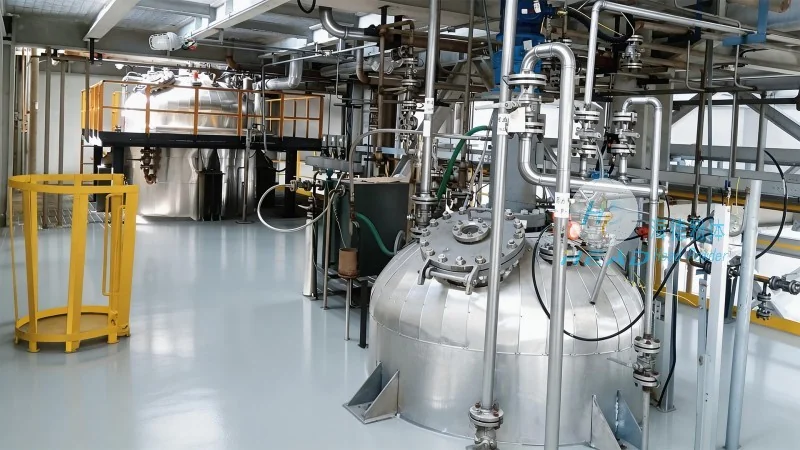
4. Environmental Control: The enclosed nature of pneumatic conveying systems helps control dust and odors, contributing to a cleaner and safer working environment. This is essential in feed processing facilities where dust can pose health risks and affect product quality.
Principles of Feed Pneumatic Conveying
The operation of feed pneumatic conveying systems is based on several key principles that ensure effective material transport. The primary principle is the creation of a pressure differential, which can be achieved through either positive pressure (where air is forced into the system) or negative pressure (where air is drawn out). Positive pressure systems are commonly used for long-distance or high-capacity conveying, while negative pressure systems are preferred for shorter distances or when handling fine powders.
Another critical principle is the use of appropriate air velocity and flow rates. The air velocity must be sufficient to lift and transport the material particles without causing excessive wear on the system components or leading to material deposition. The flow rate is carefully controlled to maintain a consistent material flow, preventing blockages or uneven distribution.
Material properties, such as particle size, density, and moisture content, also play a significant role in the conveying process. These factors influence the selection of the conveying system type (e.g., dilute phase or dense phase) and the required air pressure and velocity. For example, fine powders may require higher air velocities to prevent clogging, while larger particles may be conveyed more efficiently at lower velocities.
Working Scene Applications
Feed pneumatic conveying systems are widely used in various working scenes within feed processing facilities. Some common applications include:

1. From Storage Silos to Processing Equipment: The system efficiently transfers feed ingredients from large storage silos to mixers, grinders, or pre-mixing units. This ensures a continuous and uniform feed supply, which is essential for maintaining consistent product quality.
2. Between Processing Stages: Pneumatic conveying is used to move materials between different processing stages, such as from a grinder to a mixer or from a mixer to a dryer. This integration helps streamline the production line and reduce the need for manual handling.
3. From Production to Packaging: The system can transport finished feed products from the production line to packaging equipment, ensuring a smooth transition from processing to final product distribution.
4. Waste and Byproduct Handling: In some facilities, pneumatic conveying is used to handle waste materials or byproducts, such as spent feed or waste from cleaning operations. This helps maintain a clean and organized facility while reducing the risk of contamination.
Advantages of Feed Pneumatic Conveying
Implementing feed pneumatic conveying systems offers several advantages that contribute to improved operational performance in feed processing facilities. These advantages include:
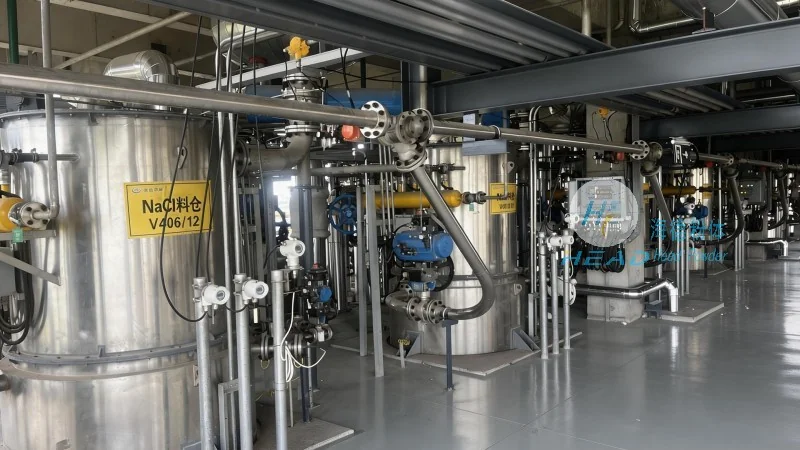
1. Increased Efficiency: The system reduces labor costs by automating material handling, allowing workers to focus on other critical tasks. It also minimizes downtime by ensuring a continuous and consistent feed supply.
2. Improved Product Quality: Gentle handling of feed ingredients preserves their nutritional value and prevents degradation, leading to higher-quality final products. The enclosed system also reduces the risk of contamination from external sources.
3. Enhanced Safety: Pneumatic conveying systems eliminate the need for manual handling of bulk materials, reducing the risk of accidents and exposure to dust or hazardous materials. This contributes to a safer working environment for employees.
4. Space and Cost Savings: The compact design of pneumatic conveying systems allows for space optimization within the facility, reducing the need for additional storage or processing equipment. This can lead to significant cost savings in terms of both capital and operational expenses.
Conclusion
Feed pneumatic conveying is a vital technology in the animal feed industry, offering efficient, safe, and cost-effective solutions for material transportation. By understanding the principles behind this process and the characteristics of its working scenes, feed processing facilities can optimize their operations and improve overall productivity. The integration of advanced pneumatic conveying systems, such as those provided by Shandong HeadPowder Engineering Co., Ltd., can further enhance these benefits, ensuring reliable and consistent feed production.