

Principle and Working Characteristics of Limestone Powder Pneumatic Conveying
HeadPowder, a leading provider of industrial material handling solutions, specializes in the design and implementation of pneumatic conveying systems for limestone powder. This article explores the fundamental principles behind limestone powder pneumatic conveying and highlights the key characteristics of its working scenarios, offering insights into efficient material transport in industrial applications.
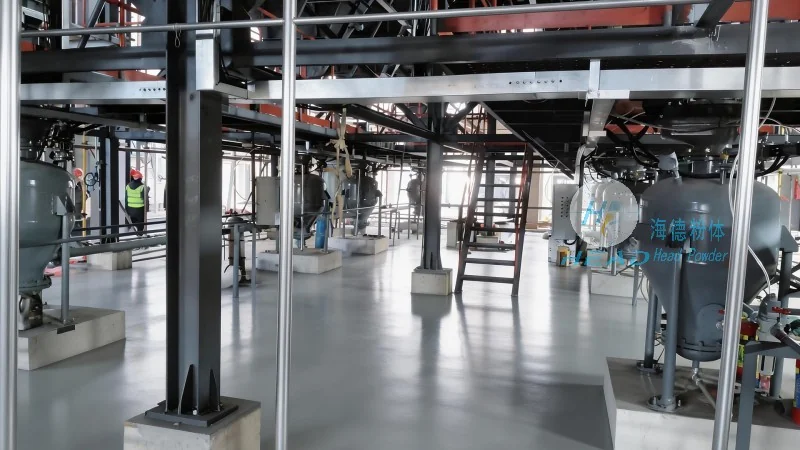
Understanding the Core Principle of Limestone Powder Pneumatic Conveying
Limestone powder pneumatic conveying operates on the principle of transporting dry bulk materials, such as limestone powder, through a pipeline using a combination of air or gas as the conveying medium. The process involves creating a pressure differential within the system, typically by using a blower or compressor to generate airflow that propels the powder particles. This method eliminates the need for mechanical components like belts or buckets, making it a flexible and efficient solution for moving limestone powder from one location to another.
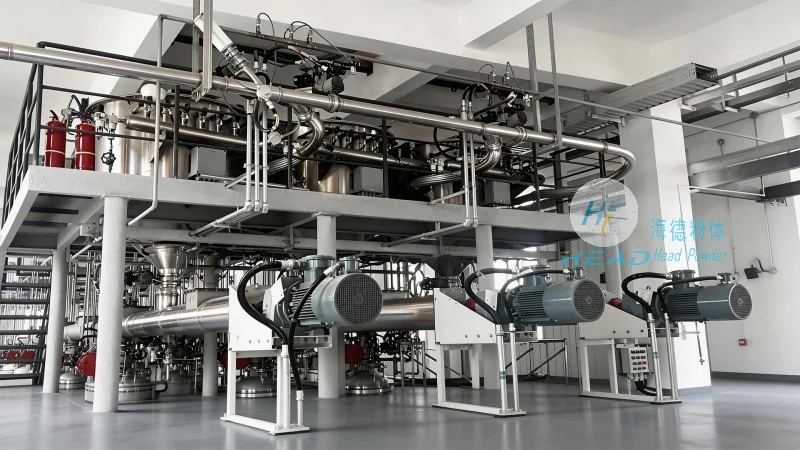
Key Working Characteristics of Limestone Powder Pneumatic Conveying Systems
Several distinct characteristics define the performance and applicability of limestone powder pneumatic conveying systems. First, the system's ability to handle fine powders without clogging is a significant advantage. Limestone powder, being a fine particulate material, can easily block traditional conveying methods, but pneumatic systems use air to keep particles suspended, preventing blockages and ensuring smooth operation. Second, the flexibility in system layout is another critical feature. Pneumatic conveying allows for complex piping configurations, enabling materials to be transported vertically, horizontally, or in a combination of both, adapting to the spatial constraints of industrial facilities. Third, the system's ability to maintain material integrity is vital. Limestone powder is often used in applications where contamination or agglomeration must be avoided, and pneumatic conveying minimizes contact with external surfaces, preserving the powder's quality and preventing degradation.
Typical Working Scenarios for Limestone Powder Pneumatic Conveying
Limestone powder pneumatic conveying is widely utilized in various industrial settings, each with specific requirements that the system addresses effectively. In cement production facilities, for instance, limestone powder is a primary raw material, and pneumatic conveying systems efficiently transport it from storage silos to the production line, ensuring a consistent supply without interruptions. In mining operations, where limestone is extracted and processed into powder, pneumatic systems facilitate the movement of the material from crushers to storage or processing units, optimizing workflow and reducing labor costs. Additionally, in chemical and pharmaceutical industries, where limestone powder is used as an ingredient or filler, the system's ability to maintain purity and prevent contamination makes it an ideal choice for transporting the material to production areas. Each of these scenarios demonstrates the adaptability and reliability of pneumatic conveying systems in handling limestone powder under different operational conditions.
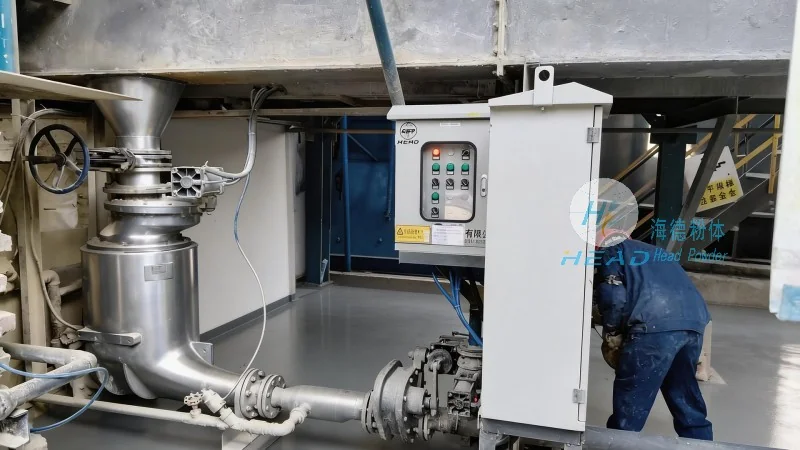
Conclusion: The Advantages of Limestone Powder Pneumatic Conveying
Overall, limestone powder pneumatic conveying offers a robust and efficient solution for transporting fine bulk materials in industrial applications. By leveraging the principles of air-based transport, these systems provide flexibility, reliability, and material integrity, making them a preferred choice for industries relying on limestone powder. HeadPowder, with its expertise in engineering and manufacturing, continues to provide tailored pneumatic conveying solutions that meet the specific needs of clients, ensuring optimal performance and operational efficiency in handling limestone powder. The working characteristics and scenarios highlighted in this article underscore the importance of pneumatic conveying as a key technology in modern material handling, particularly for limestone powder applications.