

Working Principle and Features of Soybean Feed Powder Pneumatic Conveying Line
HeadPowder, a leading manufacturer in the field of material handling solutions, presents the Soybean Feed Powder Pneumatic Conveying Line. This system is designed to efficiently transport soybean feed powders with precision and reliability, catering to the demands of modern feed processing industries. The following sections will delve into the working principle and key features of this advanced pneumatic conveying system.
Company Overview: Shandong HeadPowder Engineering Co., Ltd.
HeadPowder, operating from Shandong, China, specializes in engineering and manufacturing high-quality pneumatic conveying equipment. With a commitment to innovation and customer satisfaction, the company has established itself as a trusted partner for feed processing facilities seeking efficient material handling solutions. The Soybean Feed Powder Pneumatic Conveying Line is a testament to HeadPowder's expertise in designing systems that optimize productivity while ensuring safety and durability.
Working Principle of the Soybean Feed Powder Pneumatic Conveying Line
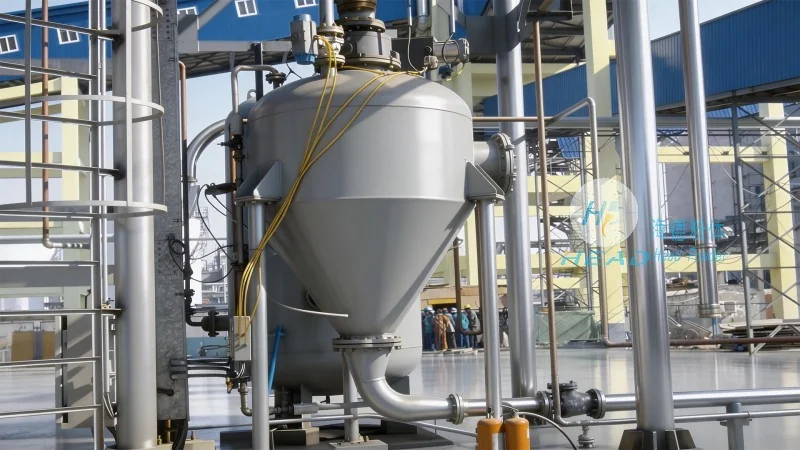
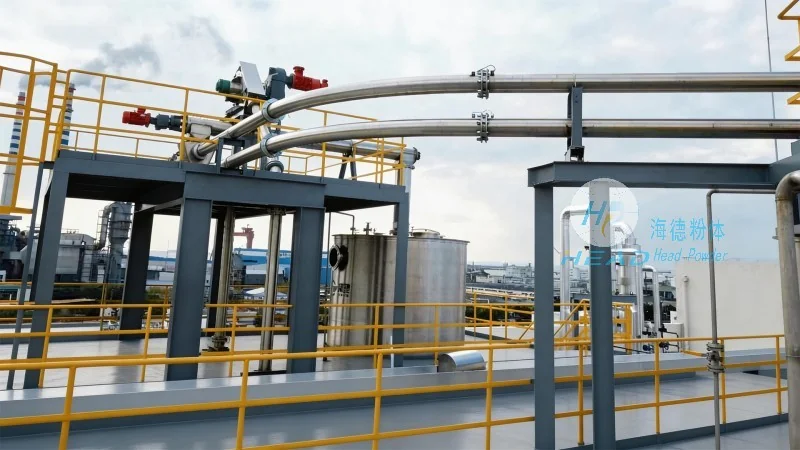
The Soybean Feed Powder Pneumatic Conveying Line operates on the principle of pneumatic transport, where air is used as the medium to move powder materials through a pipeline system. The process begins with the feed hopper, where soybean feed powders are stored and metered into the system. A positive pressure or negative pressure system is employed, depending on the specific application requirements. In a positive pressure system, a blower or compressor generates high-pressure air that propels the powder particles through the pipeline. The air and powder mixture travels through the conveying line, passing through various components such as bends, filters, and control valves. The system is equipped with a receiver or discharge hopper at the end, where the powder is collected and discharged. The working principle ensures that the powder is transported without the need for mechanical components like belts or buckets, reducing maintenance and increasing operational efficiency.
Key Features of the Soybean Feed Powder Pneumatic Conveying Line
The Soybean Feed Powder Pneumatic Conveying Line from HeadPowder is characterized by several key features that enhance its performance and usability. Firstly, the system offers high conveying capacity, capable of handling large volumes of soybean feed powders with consistent flow rates. This ensures that feed processing operations can maintain steady production without interruptions. Secondly, the design incorporates advanced control mechanisms, allowing for precise regulation of air pressure and flow rates. This feature enables operators to adjust the conveying parameters according to the specific characteristics of the feed powder, such as particle size and moisture content. Thirdly, the system is equipped with robust filtration and separation components, which prevent the accumulation of dust and ensure the purity of the conveyed material. This is particularly important in feed processing, where contamination can affect the quality of the final product. Additionally, the line is designed for easy maintenance and cleaning, with components that can be easily accessed and serviced. The use of high-quality materials, such as stainless steel and corrosion-resistant alloys, ensures the longevity of the system and its resistance to the harsh conditions of feed processing environments.
Benefits and Applications
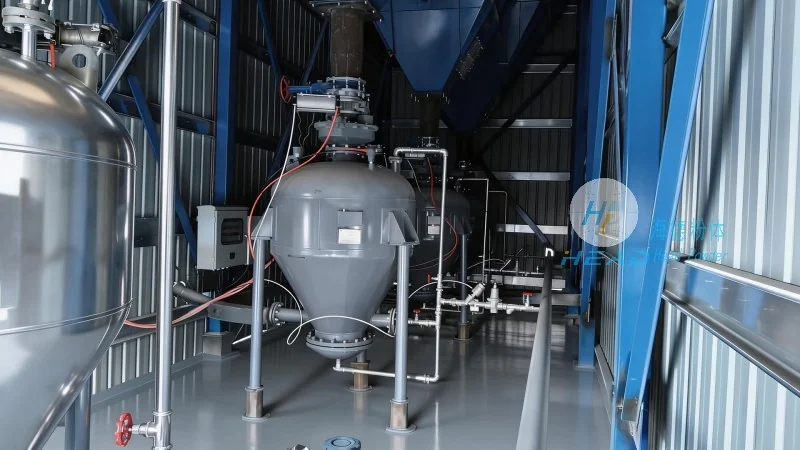
The Soybean Feed Powder Pneumatic Conveying Line offers numerous benefits to feed processing facilities. By eliminating the need for mechanical conveyors, the system reduces the risk of product contamination and damage. The pneumatic transport method also minimizes the risk of dust explosions, as the air is filtered and controlled. The system's flexibility allows it to be integrated into existing feed processing lines, adapting to various production scales and layouts. It is particularly suitable for applications involving the transport of soybean feed powders from storage silos to mixing and processing units. The high efficiency and reliability of the system contribute to improved overall productivity and reduced operational costs. Additionally, the system's compact design and low space requirements make it an ideal solution for facilities with limited floor space.