

Principles and Characteristics of Pneumatic Conveying for Fermented Grain Powder
For manufacturers in the fermented grain industry, efficient material handling is crucial for maintaining production efficiency and product quality. Pneumatic conveying systems offer a reliable solution for transporting fermented grain powder, such as qu or other similar powders, from storage to processing equipment. This article explores the working principles and key characteristics of pneumatic conveying systems designed for fermented grain powder, highlighting how these technologies enhance operational performance.
Working Principles of Pneumatic Conveying for Fermented Grain Powder
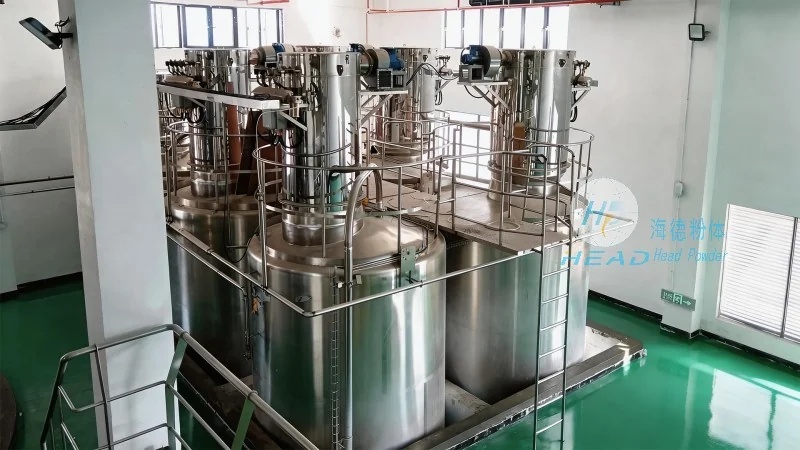
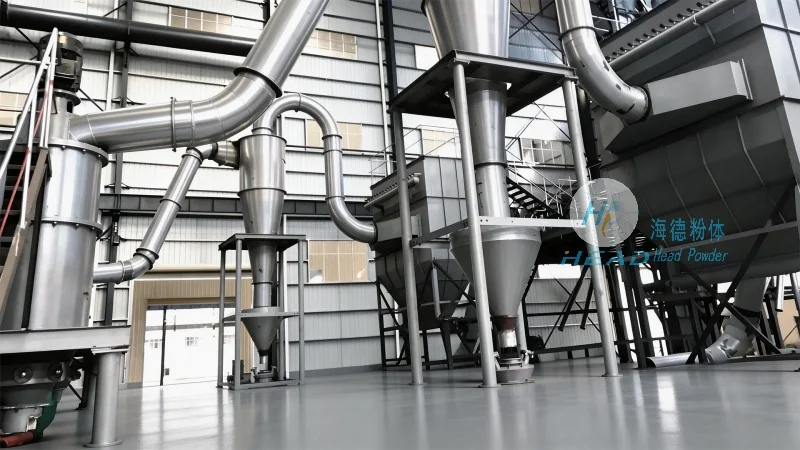
The core principle of pneumatic conveying is the use of air to transport bulk materials through a pipeline system. In the context of fermented grain powder, the process typically involves several key components and steps. First, the fermented grain powder is fed into a hopper or feeder, which controls the flow rate to the conveying line. Next, a blower or compressor generates the necessary air pressure to move the powder through the pipeline. The powder is then carried by the air stream, often in a dilute phase (where particles are suspended in the air) or a dense phase (where particles are more closely packed). The conveying line may include bends, valves, and other components to direct the material to the destination, such as a mixer, storage silo, or processing unit. The system also incorporates controls to regulate air pressure, flow rate, and material feed, ensuring consistent and reliable operation. The entire process is designed to minimize material degradation, prevent dust accumulation, and maintain product integrity.

Key Characteristics of Pneumatic Conveying Systems for Fermented Grain Powder
When evaluating pneumatic conveying systems for fermented grain powder, several important characteristics should be considered. First, the system's ability to handle fine, abrasive, or hygroscopic powders is critical. Fermented grain powders often have these properties, making the system's material compatibility and wear resistance essential. The conveying velocity and pressure must be optimized to prevent particle segregation or agglomeration, which could affect product quality. Additionally, the system's energy efficiency is a significant factor, as pneumatic conveying can be more energy-intensive than other methods. However, modern systems use advanced controls and efficient blowers to minimize energy consumption. Another key characteristic is the system's flexibility, allowing for multiple inlet and outlet points to accommodate different production layouts. The system's ability to handle varying powder flow rates and batch sizes is also important for adapting to changing production demands. Finally, the system's maintenance requirements and durability are critical for long-term operational reliability, as fermented grain powders can be abrasive and may cause wear on components.
Company Overview: Shandong HeadPowder Engineering Co., Ltd.
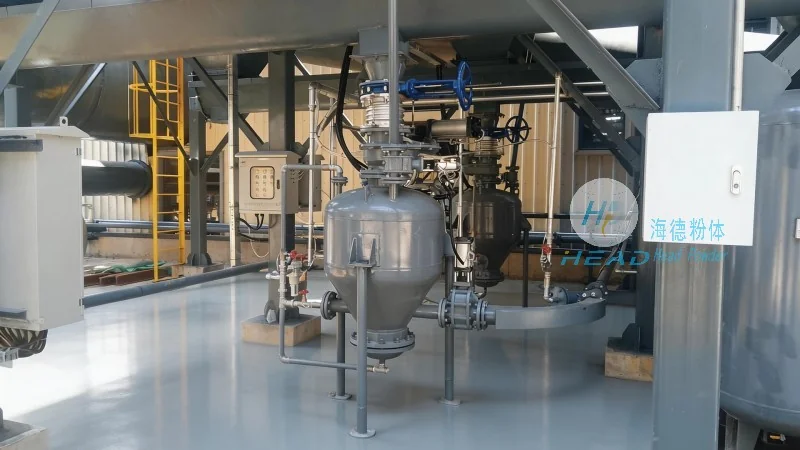
Shandong HeadPowder Engineering Co., Ltd., commonly known as HeadPowder, is a leading manufacturer of specialized pneumatic conveying systems tailored for the fermented grain industry. With a focus on innovation and customer-centric solutions, HeadPowder designs and supplies equipment that meets the unique challenges of handling fermented grain powders. The company's products are engineered to ensure high efficiency, low maintenance, and consistent performance, helping manufacturers optimize their production processes. HeadPowder's commitment to quality and technical expertise has established it as a trusted partner in the industry, providing reliable solutions for material handling in fermented grain processing.