

Working Principle and Characteristics of Wool Powder Pneumatic Conveying
Wool powder pneumatic conveying is a specialized material handling technology used primarily in the textile industry for transporting fine wool powders. This method relies on air as the conveying medium, enabling efficient and clean transfer of the powder from storage or processing points to other parts of the production line. The system is designed to handle the delicate nature of wool powder while maintaining high standards of purity and operational efficiency.
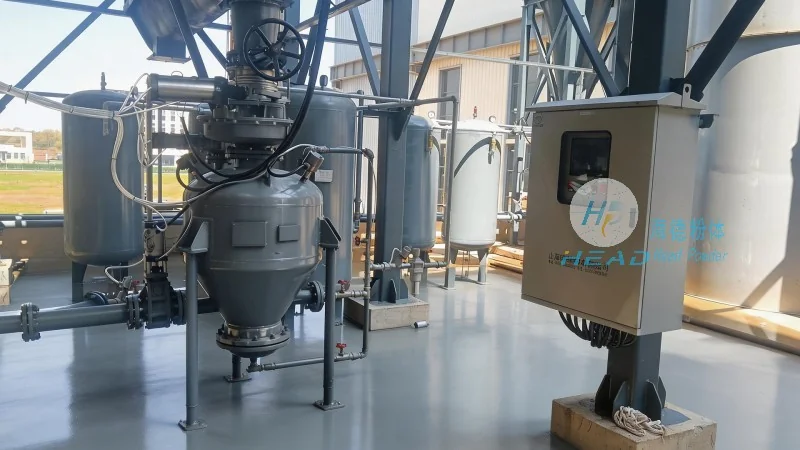
Working Principle of Wool Powder Pneumatic Conveying
The fundamental mechanism of wool powder pneumatic conveying involves creating a pressure differential to move the powder through a pipeline. In a typical setup, a fan or blower generates airflow that entrains the wool powder particles. The system operates under either positive pressure (air forced into the system) or negative pressure (air drawn out). For wool powder, which is fine and light, a negative pressure system is commonly employed to minimize dust dispersion and maintain air quality. The process begins with the wool powder being fed into the conveying line, where it is captured by the moving air stream. The air-powder mixture travels through the pipeline to the destination, where the powder is separated from the air using a cyclone separator or filter. The separated air is either recirculated or released, while the wool powder is collected for further processing.
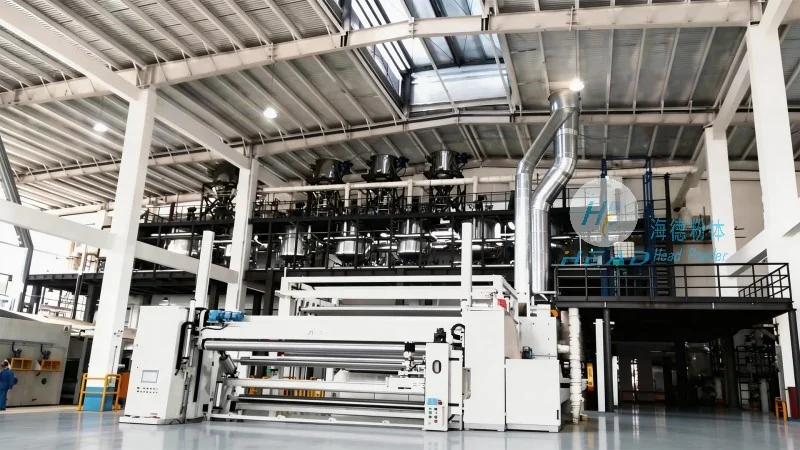
Key Characteristics of Wool Powder Pneumatic Conveying Systems
Wool powder pneumatic conveying systems exhibit several defining characteristics that make them suitable for handling wool. Firstly, they provide a dust-free environment, which is critical for preserving the quality of wool and preventing contamination. The enclosed system ensures that fine particles do not escape into the air, reducing health risks and environmental impact. Secondly, these systems offer high material transfer efficiency with minimal loss of powder during operation. The air flow is carefully controlled to fully entrain the powder and prevent clogging or blockages in the pipeline. Thirdly, the systems are compact and can be integrated into existing production lines, offering flexibility for various industrial applications. Additionally, the use of air as the conveying medium allows for gentle handling of the wool powder, preserving its integrity and preventing degradation that might occur with mechanical methods.
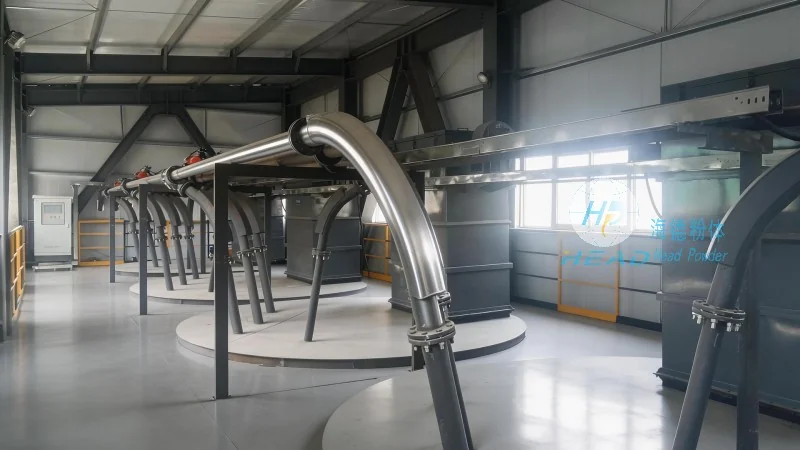
Advantages of Using Wool Powder Pneumatic Conveying
Implementing wool powder pneumatic conveying offers several advantages for manufacturers. One primary benefit is reduced labor costs associated with manual handling of powders, as the system automates the material transfer process. Another advantage is improved product quality, as the enclosed system prevents contamination from external sources. This is vital for high-value wool, where purity directly impacts textile quality. Furthermore, the systems are energy-efficient compared to traditional methods, using less power for short to medium-distance transport. The compact design also facilitates easier installation in existing facilities, minimizing structural changes. Finally, the flexibility of the system allows for adjustment of the conveying rate to meet varying production demands.
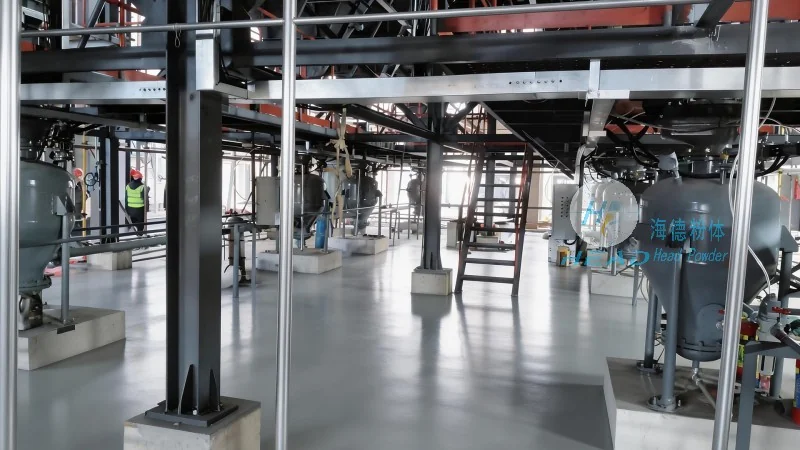
Applications in the Textile Industry
Wool powder pneumatic conveying is widely utilized in the textile industry for multiple applications. A common use is in processing raw wool, where the powder is transported from storage bins to mixing or spinning equipment. The system ensures the wool powder is delivered without loss or contamination. Another application is distributing wool powder to different production lines, such as dyeing or finishing processes. The ability to convey the powder over longer distances without degradation makes it ideal for large-scale textile facilities. Additionally, the system is used in quality control, where the powder is sampled and analyzed for purity and consistency. The enclosed nature maintains sample integrity for accurate results.