

What is a Caustic Soda Material Pneumatic Conveying Machine? And What Are Its Design Principles?
Caustic soda, also known as sodium hydroxide (NaOH), is a widely used chemical in various industrial processes, including manufacturing, water treatment, and chemical synthesis. Handling this material efficiently and safely is crucial for industrial operations. One effective method for transporting caustic soda is through pneumatic conveying systems, which use air or other gases to move bulk materials. This article explores what a caustic soda material pneumatic conveying machine is and delves into its design principles, providing insights into the technology used by companies like Shandong HeadPowder Engineering Co., Ltd., a leading provider in China.
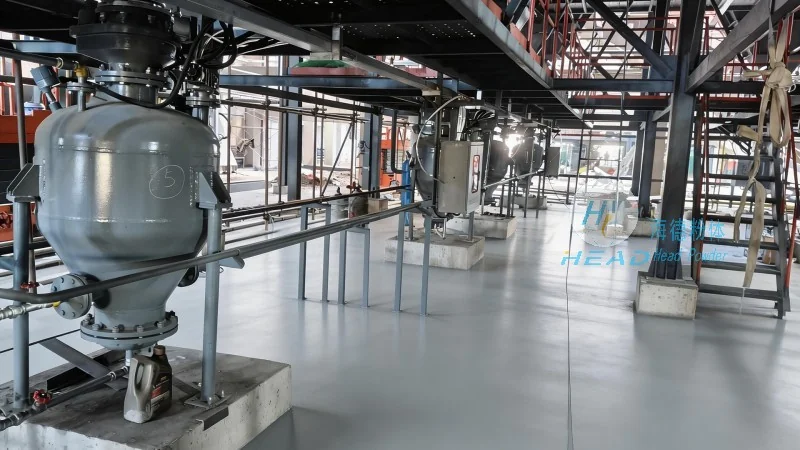
What Is a Caustic Soda Material Pneumatic Conveying Machine?
A caustic soda material pneumatic conveying machine is a specialized equipment designed to transport caustic soda in bulk form from one location to another within an industrial facility. Unlike traditional mechanical conveyors, which rely on physical components like belts or buckets, pneumatic conveyors use a pressurized air or gas stream to move the material through a pipeline. This method is particularly advantageous for caustic soda due to its corrosive nature and the need for minimal contact with metal surfaces, which can degrade the material or the equipment.
The machine typically consists of several key components, including a hopper for material storage, a feeder to control the flow rate, a compressor or blower to generate the air pressure, a pipeline system to transport the material, and a receiver to collect the material at the destination. The entire system is designed to ensure efficient, safe, and reliable transport of caustic soda, minimizing the risk of spills, contamination, and equipment damage.
Design Principles of Pneumatic Conveying Systems for Caustic Soda
The design of a caustic soda material pneumatic conveying machine is based on several fundamental principles to ensure optimal performance and safety. The first principle is the selection of appropriate materials for construction. Since caustic soda is highly corrosive, the equipment must be made from materials that can withstand its chemical properties, such as stainless steel, polyethylene, or other corrosion-resistant alloys. This prevents material degradation and ensures the longevity of the system.
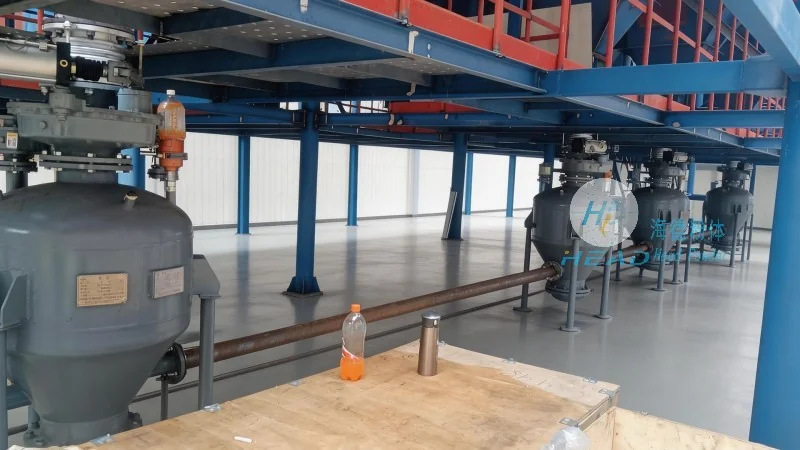
Another critical design principle is the control of air pressure and flow rate. The system must maintain a consistent pressure to ensure the material is conveyed smoothly without clogging or excessive wear on the pipeline. The flow rate is carefully regulated to match the material's characteristics, such as its density and particle size, to prevent blockages and maintain efficiency. For caustic soda, which often comes in solid form like flakes or pellets, the system is designed to handle these specific particle sizes effectively.
The pipeline design is also a key aspect of the system's design. The pipeline must be smooth and free of sharp corners or obstructions to prevent material buildup and ensure uniform flow. The use of bends and elbows is minimized, and if necessary, they are designed with appropriate radii to maintain the material's momentum and prevent clogging. Additionally, the system may include features like air locks or rotary valves to control the flow and prevent backflow, which is essential for maintaining the integrity of the caustic soda and the equipment.
Key Features and Benefits of Caustic Soda Pneumatic Conveying Machines
Caustic soda material pneumatic conveying machines offer several advantages over traditional conveying methods. One of the primary benefits is the ability to transport the material in a closed system, which reduces the risk of exposure to the environment and minimizes the risk of dust contamination. This is particularly important for caustic soda, as it can be hazardous if inhaled or if it comes into contact with skin. The closed system also helps maintain the material's purity, preventing contamination from external sources.
Another advantage is the flexibility of the system. Pneumatic conveyors can be easily integrated into existing industrial facilities, and the pipeline can be configured to reach various destinations within the plant. This allows for efficient material distribution without the need for extensive reconfiguration of the facility. Additionally, the system can handle a wide range of material flow rates, from low to high, making it suitable for different production needs.
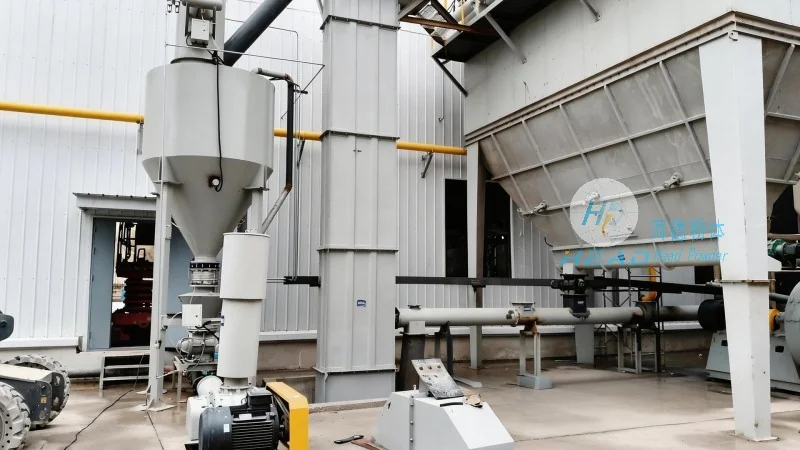
The design of these machines also prioritizes safety and maintenance. The use of corrosion-resistant materials reduces the risk of leaks or spills, which can be dangerous in industrial settings. The system is also designed for easy maintenance, with components that can be easily accessed and replaced. This reduces downtime and ensures the system operates efficiently over its lifespan.
Applications and Industries Using Caustic Soda Pneumatic Conveying Machines
Caustic soda material pneumatic conveying machines are used in a variety of industries where caustic soda is a key component. These include the chemical industry, where it is used in the production of soaps, detergents, and other cleaning products. The paper industry also uses caustic soda in the pulping process to break down wood fibers. Additionally, the water treatment industry uses caustic soda to adjust the pH of water and remove impurities. The food industry may also use it in certain processes, although this is less common due to its strong alkaline properties.
In each of these industries, the pneumatic conveying machine plays a critical role in ensuring the efficient and safe transport of caustic soda. The system's ability to handle bulk materials in a closed environment makes it ideal for these applications, where safety and efficiency are paramount.