

What is a Coal Gangue Lime Material Pneumatic Conveying System? And What Are Its Design Principles?
Coal gangue and lime material pneumatic conveying systems are critical in industrial operations for efficient bulk material transport. This article examines the system's concept and the fundamental design principles that ensure optimal performance.
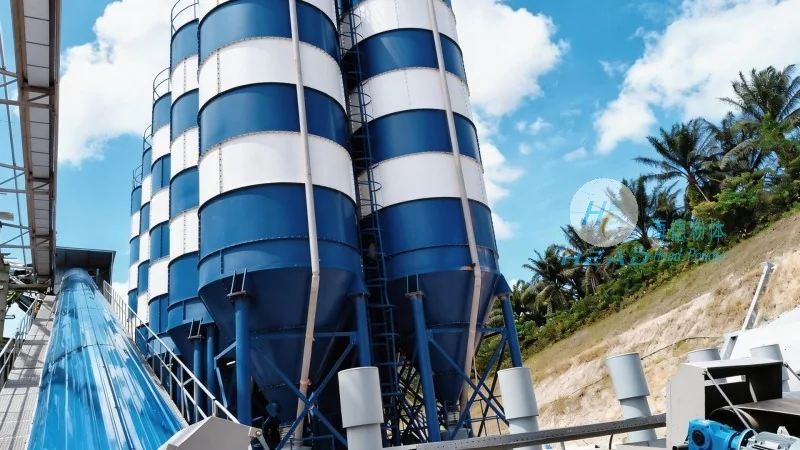
Understanding the Coal Gangue Lime Material Pneumatic Conveying System
A coal gangue lime material pneumatic conveying system is specialized equipment designed to move coal gangue and lime through a pipeline using air pressure or suction. The system typically includes a material feeder, conveying pipeline, control system, and dust collection unit. It is widely used in power plants, mining operations, and other industrial facilities where bulk material handling is required.
Key Components of the Pneumatic Conveying System
The core components of a coal gangue lime material pneumatic conveying system are:
1. Material Feeder: This component feeds coal gangue and lime into the conveying pipeline, ensuring consistent flow and preventing blockages. Options include rotary valves, screw feeders, or hoppers with discharge valves, selected based on material properties and system needs.
2. Conveying Pipeline: The pipeline, usually made of stainless steel or corrosion-resistant materials, transports the material. Design considerations include material flow rate, pressure drop, and system length to ensure efficient transport.
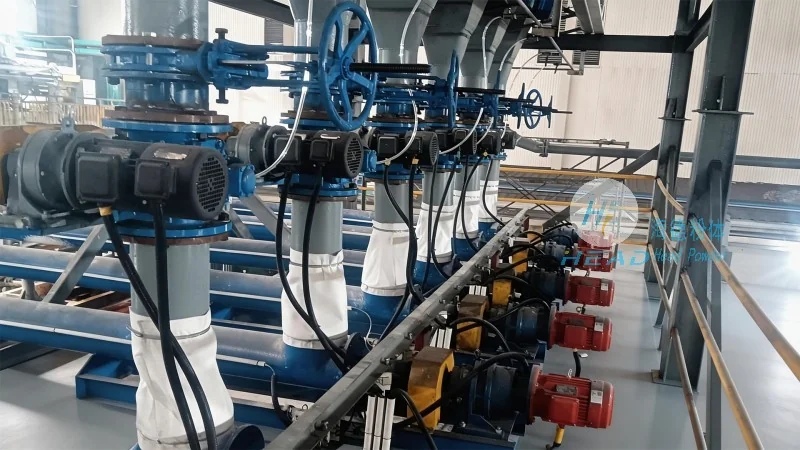
3. Air Supply System: This system provides the necessary air pressure or vacuum. It includes blowers/vacuum pumps, air filters, and pressure regulators, capable of generating sufficient force to overcome pipeline resistance and maintain material velocity.
4. Dust Collection and Filtration: To maintain a clean environment, this component captures airborne particles, either returning them to the pipeline or storing them. It reduces emissions and prevents environmental contamination.
Design Principles for Optimal Performance
The system design follows key principles to ensure efficiency, reliability, and safety:
1. Material Characteristics Consideration: Design accounts for physical properties like particle size, density, moisture, and abrasiveness. Finer particles may need higher air velocity to avoid clogging, while larger or abrasive materials require robust pipeline and feeder designs.
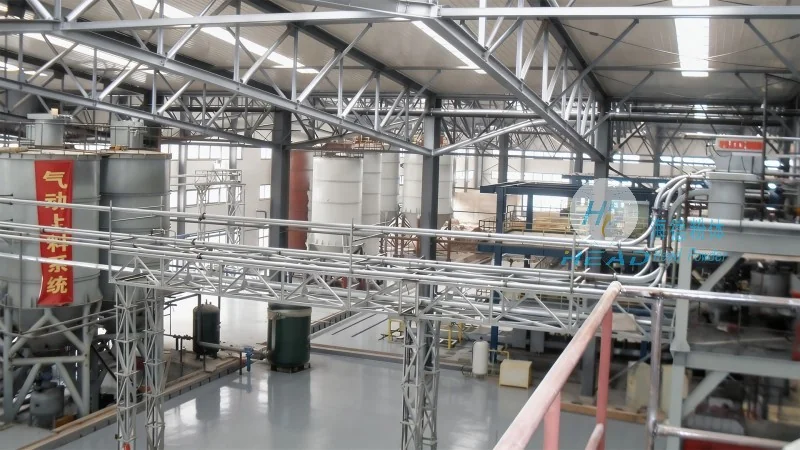
2. Pressure Drop Management: Pressure drop in the pipeline is critical. Influenced by flow rate, length, diameter, and material type, proper design minimizes energy consumption and wear. Engineers use empirical formulas and CFD simulations to determine optimal pipeline diameter and air velocity.
3. System Sizing and Capacity: The system is sized for required flow rate and distance. Air supply, pipeline diameter, and feeder capacity are matched to throughput and travel distance. Oversizing or undersizing leads to inefficiencies.
4. Safety and Environmental Compliance: The design adheres to safety and environmental regulations. This includes dust collection for emission standards, explosion-proofing for combustible dust areas, and safety interlocks. The system is also designed for easy maintenance to ensure long-term operation without compromising safety or performance.
Applications and Benefits
Coal gangue and lime material pneumatic conveying systems are used in various industries, including:
1. Power Generation: In coal-fired power plants, these systems transport coal gangue and lime to boilers or processing units, ensuring continuous material supply and reducing manual handling risks.
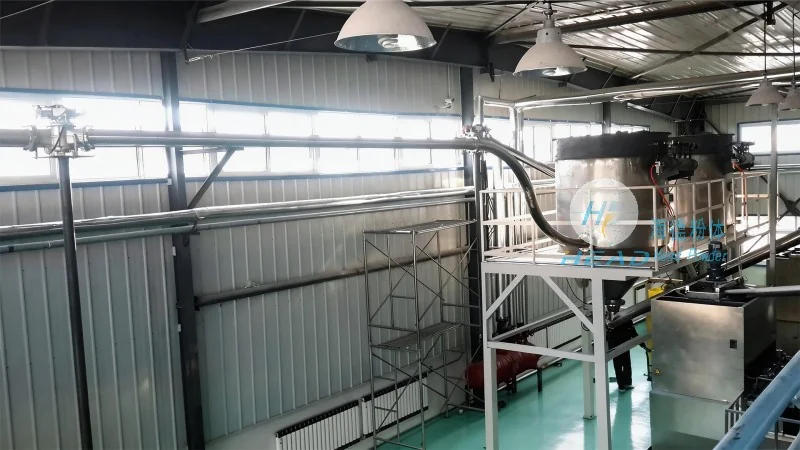
2. Mining and Mineral Processing: Mining operations use the system to move coal gangue and lime from sites to processing or disposal areas, lowering transportation costs and improving mining efficiency.
3. Industrial Manufacturing: Manufacturing plants use the system for materials like lime in chemical processes or coal gangue in waste management. It provides a clean, controlled environment, reducing contamination and improving product quality.
Overall, the system offers benefits such as high efficiency, low labor costs, reduced material loss, and enhanced safety compared to traditional methods like belt conveyors or manual handling.
Conclusion
A coal gangue lime material pneumatic conveying system is a sophisticated piece of equipment that integrates advanced engineering with robust design to efficiently transport bulk materials. Performance depends on careful consideration of material characteristics, pressure drop management, system sizing, and safety compliance. By adhering to these principles, industrial facilities achieve reliable, cost-effective material handling, contributing to operational efficiency and environmental sustainability.