

How to Design a Reasonable Ceramic Pneumatic Conveying System Plan?
When designing a ceramic pneumatic conveying system, several key factors must be considered to ensure efficiency, reliability, and cost-effectiveness. The process involves understanding the material properties of ceramics, the operational requirements, and the environmental conditions under which the system will operate. This article will guide you through the essential steps and considerations for creating a well-designed ceramic pneumatic conveying system.
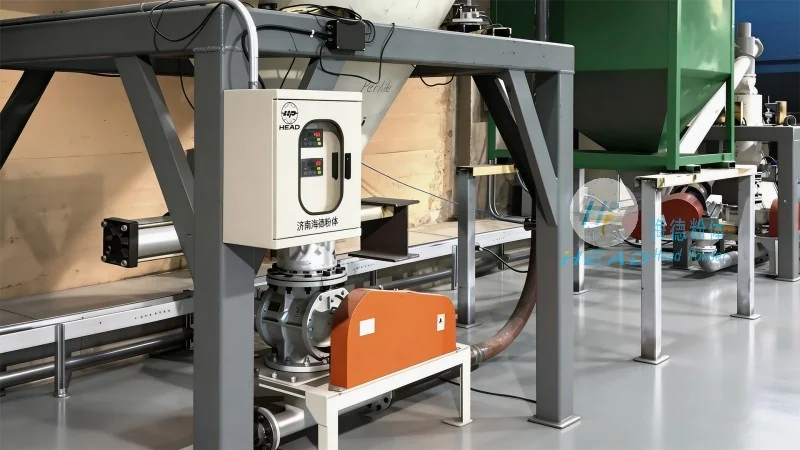
Key Design Considerations for Ceramic Pneumatic Conveying
Designing a ceramic pneumatic conveying system requires a thorough analysis of the material characteristics. Ceramics, such as alumina, zirconia, or silica, have unique properties like high hardness, brittleness, and varying particle sizes. These factors influence the choice of conveying method (e.g., dilute phase or dense phase), the type of air compressor, and the system layout. The system must also account for the material's dust generation potential and the need for proper filtration and dust control measures.
Critical Components in a Ceramic Pneumatic Conveying System
The core components of a ceramic pneumatic conveying system include the material feed hopper, the air compressor, the conveying line, and the receiving hopper. The feed hopper is designed to handle the ceramic material's bulk density and flow characteristics, often incorporating features like a rotary valve or a screw feeder to ensure consistent material discharge. The air compressor provides the necessary pressure and airflow to move the material through the system. The conveying line, typically made of corrosion-resistant materials like stainless steel or PTFE, must withstand the abrasive nature of ceramic particles. The receiving hopper collects the material at the destination, with features like a dust collection system to prevent contamination and environmental issues.
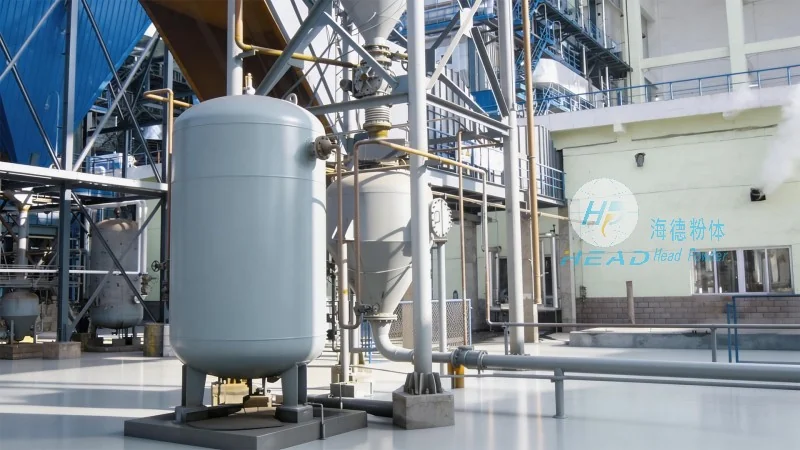
System Layout and Sizing Calculations
Proper system layout is crucial for minimizing pressure losses and ensuring smooth material flow. The layout should consider the vertical and horizontal distances between the feed and receiving points, as well as any obstacles or changes in elevation. Sizing calculations involve determining the required air velocity, pressure drop, and air volume based on the material's properties and the system's capacity. These calculations help in selecting the appropriate air compressor capacity and the diameter of the conveying line. For example, dilute phase systems typically operate at higher air velocities (20-30 m/s) and lower pressure drops, while dense phase systems use lower velocities (5-10 m/s) and higher pressures to move material more gently, reducing wear on components.
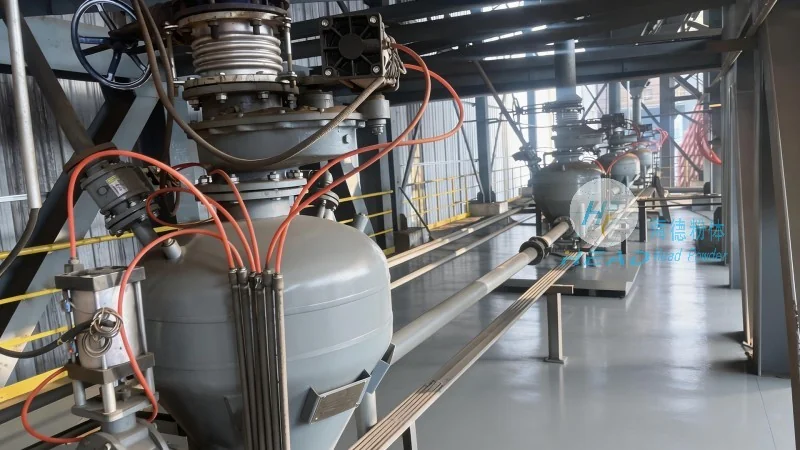
Maintenance and Operational Best Practices
Regular maintenance is essential to ensure the longevity and efficiency of a ceramic pneumatic conveying system. This includes cleaning the conveying line and components to prevent buildup of abrasive particles, inspecting the air compressor and filters for wear or clogging, and monitoring the system's pressure and flow rates. Operational best practices involve starting the system with the material feed after the air compressor has reached full pressure, and gradually increasing the material feed rate to avoid surging or blockages. Proper training of operators on the system's controls and safety procedures is also critical to prevent accidents and ensure smooth operation.
About Shandong HeadPowder Engineering Co., Ltd.
Shandong HeadPowder Engineering Co., Ltd., commonly known as HeadPowder, is a leading provider of ceramic pneumatic conveying solutions. With years of experience in the industry, HeadPowder specializes in designing and manufacturing customized systems tailored to the unique needs of ceramic materials. The company's headquarters is located in Shandong, China, and it serves clients worldwide with high-quality, reliable equipment and expert technical support. HeadPowder's commitment to quality and customer satisfaction has made it a trusted partner for businesses in the ceramics and related industries.