

How to Design a Reasonable Lignite Powder Pneumatic Conveying System Plan?
Lignite powder, also known as brown coal, is a widely used raw material in various industrial applications. The efficient and reliable transportation of lignite powder from storage to processing units is crucial for maintaining production efficiency and minimizing operational costs. Pneumatic conveying systems offer a viable solution for this purpose, providing a flexible and effective method to handle bulk powder materials like lignite. However, designing a system that is both efficient and cost-effective requires careful consideration of several key factors. This article aims to provide a comprehensive guide on how to design a reasonable lignite powder pneumatic conveying system plan, focusing on the expertise and solutions offered by Shandong HeadPowder Engineering Co., Ltd.
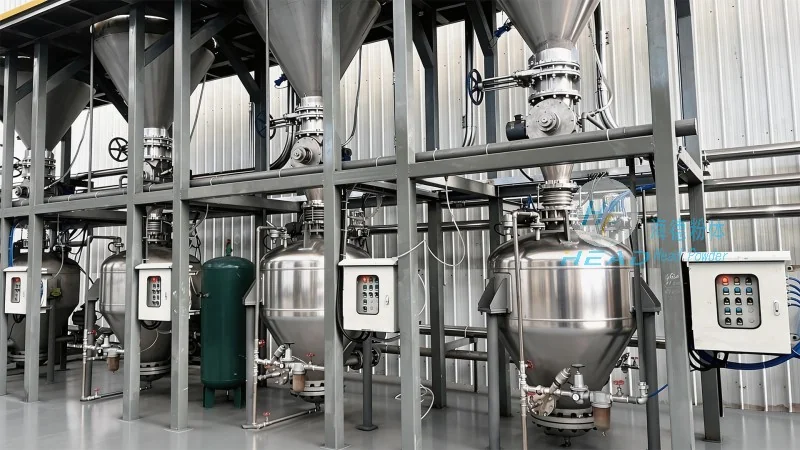
Key Factors in Lignite Powder Pneumatic Conveying System Design
The success of a lignite powder pneumatic conveying system depends on a thorough understanding of the material properties, operational requirements, and environmental considerations. Several critical factors must be evaluated during the design phase to ensure optimal performance and longevity of the system. First, the particle size and moisture content of the lignite powder are significant determinants. Coarser particles may require higher air velocities and larger duct diameters, while higher moisture content can affect the material's flowability and increase the risk of blockages. Second, the system's capacity and required conveying distance are essential parameters. The design must accommodate the desired throughput rate and the physical distance between the source and destination points. Third, the choice of conveying method—such as dilute phase or dense phase—needs to be carefully selected based on the material's characteristics and the application's demands. Dilute phase systems are suitable for shorter distances and lower capacities, while dense phase systems are preferred for longer distances and higher capacities, offering better control over material discharge. Fourth, the system's pressure and air flow requirements must be accurately calculated to prevent energy waste and ensure consistent material transport. Proper sizing of the air compressor, ducts, and valves is crucial to maintain the system's efficiency and avoid excessive energy consumption. Finally, the environmental and safety aspects must be addressed, including dust control measures, explosion-proof designs, and compliance with local regulations. By considering these factors comprehensively, engineers can design a system that meets the specific needs of the lignite powder handling application.
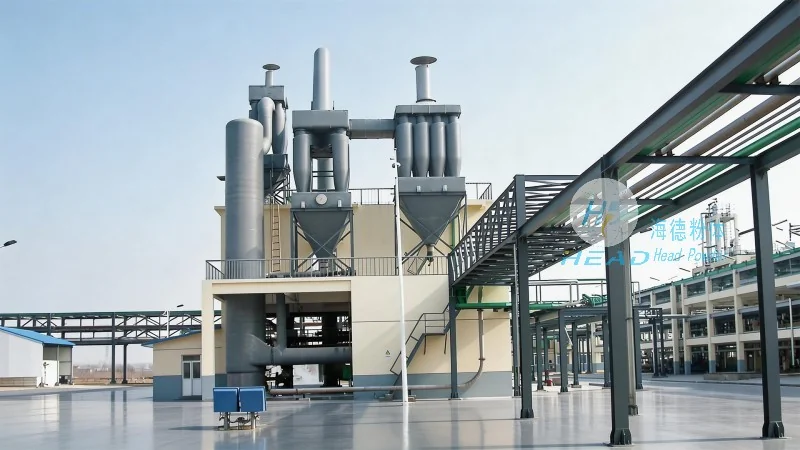
HeadPowder's Expertise in Lignite Powder Pneumatic Conveying Solutions
Shandong HeadPowder Engineering Co., Ltd., a leading provider of bulk material handling solutions, specializes in designing and implementing lignite powder pneumatic conveying systems tailored to the unique requirements of industrial clients. With years of experience in the field, HeadPowder's team of engineers and technicians possesses in-depth knowledge of the technical aspects and practical challenges associated with lignite powder handling. The company's approach to system design emphasizes a customized solution that aligns with the client's operational goals, budget constraints, and safety standards. HeadPowder utilizes advanced engineering tools and methodologies to model and simulate the pneumatic conveying system, ensuring that the design is optimized for performance and reliability. This includes detailed calculations of air flow rates, pressure drops, and material transport efficiency, as well as the selection of appropriate equipment such as rotary valves, airlocks, and dust collectors. The company's commitment to quality and innovation is reflected in its use of high-quality materials and components, which are sourced from reputable manufacturers to ensure durability and long-term performance. HeadPowder also provides comprehensive after-sales support, including system maintenance, troubleshooting, and performance optimization services. This ensures that clients can rely on their lignite powder pneumatic conveying system to operate efficiently and reliably over its service life. By partnering with HeadPowder, industrial facilities can benefit from a well-designed system that minimizes downtime, reduces operational costs, and enhances overall productivity.
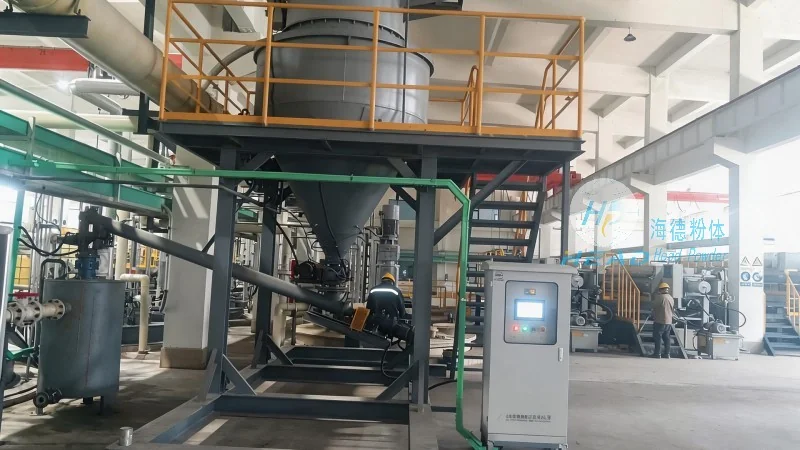
Addressing Common Challenges in Lignite Powder Pneumatic Conveying
Despite the advantages of pneumatic conveying systems, several challenges may arise during the operation of lignite powder systems. One common issue is the formation of blockages in the ducts or airlocks, which can be caused by moisture content, agglomeration, or improper system design. To mitigate this, HeadPowder recommends the use of anti-blockage devices, such as vibrators or rotary airlocks with self-cleaning mechanisms. Another challenge is the accumulation of dust and debris in the system, which can lead to equipment wear and reduced efficiency. Effective dust control measures, including the installation of dust collectors and proper sealing of duct connections, are essential to maintain system performance. Additionally, the system's energy consumption can be a significant operational cost. HeadPowder's design approach focuses on energy-efficient solutions, such as using variable frequency drives (VFDs) to regulate air flow and compressor speed, thereby reducing energy waste. By addressing these challenges proactively, HeadPowder helps clients maintain the reliability and efficiency of their lignite powder pneumatic conveying systems. The company's expertise in material handling and system optimization ensures that clients can overcome common issues and achieve optimal performance from their equipment.