

The Pneumatic Conveying System for Corn Granular Materials: What It Is and Its Design Principles
For industries dealing with corn and other granular materials, efficient material handling is crucial for maintaining production efficiency and product quality. The corn granular material pneumatic conveying system is a key solution that enables the transport of these materials through a pressurized or vacuum air stream. This system not only improves operational flexibility but also reduces the risk of contamination and damage to the product during transportation. In this article, we will explore what this system entails and delve into its fundamental design principles.
Understanding the Corn Granular Material Pneumatic Conveying System
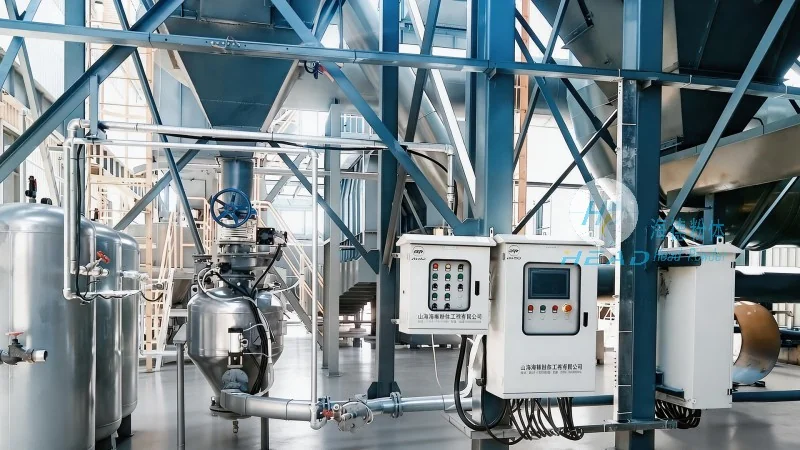
The corn granular material pneumatic conveying system is a specialized equipment designed to move corn and similar granular materials from one location to another using air as the conveying medium. Unlike traditional mechanical conveyors, this system relies on the force of air to transport the material, making it particularly suitable for applications where dust control, hygiene, and product integrity are paramount. The system typically consists of a series of components, including a hopper for material storage, a conveyor line, a blower or vacuum pump to generate the air flow, and a discharge point for the material. The entire setup is engineered to ensure that the corn particles are suspended in the air stream and transported smoothly to the desired destination.
Key Components of the System
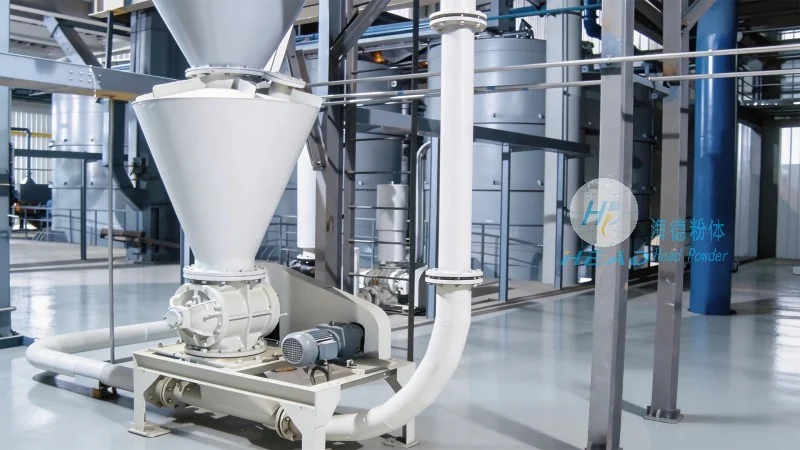
Several critical components work in tandem to ensure the effective operation of the corn granular material pneumatic conveying system. The first component is the material hopper, which is designed to hold the corn and provide a consistent feed to the conveyor line. The hopper is often equipped with a feeding mechanism, such as a rotary valve or a screw feeder, to control the flow of material into the system. Next, the conveyor line itself is a crucial part of the system. It is usually made of metal or plastic and is designed to withstand the pressure and temperature conditions of the conveying process. The line is connected to a blower or vacuum pump, which generates the air flow necessary to move the corn particles. The blower can be either positive pressure or negative pressure, depending on the specific application requirements. Finally, the discharge point is where the corn is released from the system, often into a storage bin or processing equipment. This component is designed to ensure that the material is discharged smoothly and without any blockages.
Design Principles for Efficient Operation
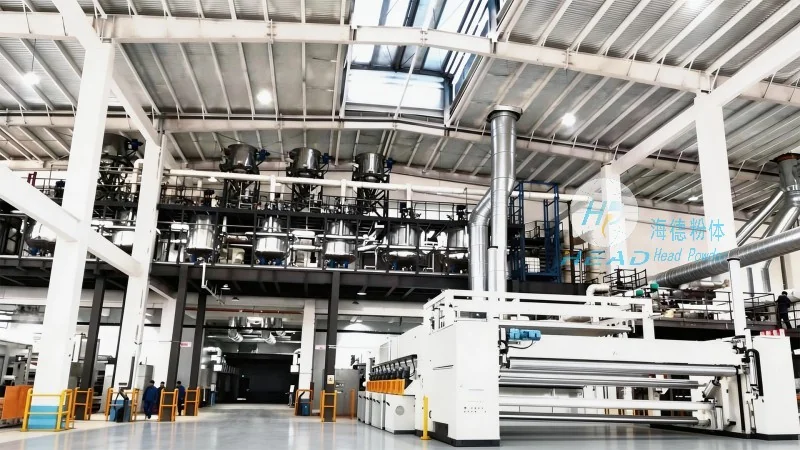
The design of a corn granular material pneumatic conveying system is based on several key principles to ensure optimal performance and efficiency. The first principle is the selection of the appropriate air velocity. The air velocity must be high enough to suspend the corn particles in the air stream but not so high as to cause excessive wear on the system components or to increase energy consumption. The optimal air velocity is typically determined based on the size, density, and shape of the corn particles. Another important design principle is the consideration of the system's pressure drop. The pressure drop refers to the loss of pressure as the air flows through the conveyor line and other components. A high pressure drop can lead to reduced conveying capacity and increased energy consumption. Therefore, the system is designed to minimize pressure drop by using smooth, well-designed components and avoiding sharp turns or bends in the conveyor line. Additionally, the system's capacity and flow rate are critical design considerations. The capacity of the system is determined by the size of the hopper, the feeding mechanism, and the blower's power. The flow rate is the rate at which the corn is transported through the system, and it is typically measured in terms of the volume of material per unit time. The design of the system must ensure that the flow rate is consistent and can be adjusted as needed to meet the production requirements.
Advantages of Using a Pneumatic Conveying System for Corn
There are several advantages to using a corn granular material pneumatic conveying system over traditional mechanical conveyors. One of the main advantages is the improved hygiene and cleanliness of the system. Since the material is transported through an enclosed air stream, there is no direct contact between the corn and the conveyor components, reducing the risk of contamination from dust or other particles. This is particularly important in food processing applications where product purity is a top priority. Another advantage is the flexibility of the system. The corn granular material pneumatic conveying system can be easily reconfigured to handle different types of materials or to change the direction of the material flow. This makes it a versatile solution for various industrial applications. Additionally, the system is relatively low maintenance compared to mechanical conveyors, as there are fewer moving parts that can wear out or break. This reduces the downtime and maintenance costs for the system.
Applications of the Corn Granular Material Pneumatic Conveying System
The corn granular material pneumatic conveying system is widely used in various industries that deal with corn and other granular materials. One of the primary applications is in the food processing industry, where the system is used to transport corn from storage bins to processing equipment, such as mills or dryers. The system is also used in the agricultural industry to transport corn from fields to storage facilities or to processing plants. In addition, the system is used in the chemical and pharmaceutical industries to transport corn-based products or other granular materials that require a clean and hygienic transport process. The versatility of the system makes it suitable for a wide range of applications, from small-scale operations to large-scale industrial plants.
Conclusion
In conclusion, the corn granular material pneumatic conveying system is an essential equipment for industries dealing with corn and other granular materials. It offers several advantages over traditional mechanical conveyors, including improved hygiene, flexibility, and low maintenance. The design of the system is based on several key principles, including the selection of appropriate air velocity, minimizing pressure drop, and ensuring consistent flow rate. The system is widely used in various industries, including food processing, agriculture, and chemicals. As a leading provider of such systems, Shandong HeadPowder Engineering Co., Ltd. specializes in designing and manufacturing high-quality pneumatic conveying systems tailored to the specific needs of their clients. With their expertise and commitment to quality, they ensure that their systems are efficient, reliable, and meet the highest standards of performance and safety.