

What is a Carbon Fiber Material Pneumatic Conveying System? And What Are Its Design Principles?
Carbon fiber materials are widely used in modern manufacturing and engineering due to their exceptional strength-to-weight ratio and high performance characteristics. However, the handling and transportation of these materials present unique challenges compared to traditional bulk materials. This article explores the concept of a carbon fiber material pneumatic conveying system and delves into its underlying design principles, providing a comprehensive overview for professionals in the industry.
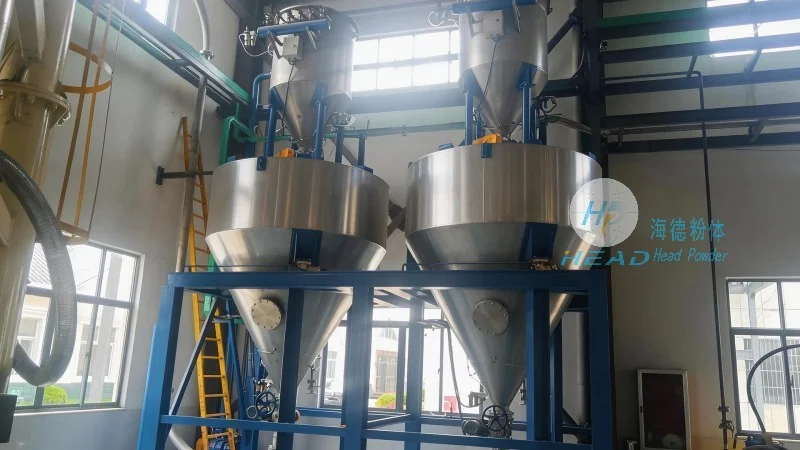
Understanding Pneumatic Conveying Systems for Carbon Fiber Materials
Pneumatic conveying systems are a type of material handling technology that uses compressed air or other gases to transport bulk materials through a pipeline. In the case of carbon fiber materials, these systems are specifically engineered to handle the delicate and abrasive nature of the fibers while ensuring efficient and safe transportation. The primary goal is to move carbon fiber powders or fibers from a source to a destination without causing damage or degradation to the material.
Key Components of a Carbon Fiber Material Pneumatic Conveying System
At the core of any pneumatic conveying system for carbon fiber materials are several critical components that work in tandem to achieve effective material transport. The first component is the feed hopper or feeder, which is responsible for controlling the flow rate of the carbon fiber material into the system. This component is often equipped with a metering device to ensure a consistent and controlled feed, preventing overloading or underloading of the system. The second key component is the air supply unit, which generates the necessary pressure and flow of air to move the material through the pipeline. This unit typically includes a compressor, air filter, and pressure regulator to maintain stable operating conditions. The third essential part is the conveying pipeline, which is usually made of materials that are resistant to abrasion and corrosion, such as stainless steel or specialized polymers, to withstand the harsh nature of carbon fiber particles. The pipeline may also incorporate bends, elbows, or other fittings that are designed to minimize pressure losses and maintain the integrity of the material flow. Finally, the system includes a separator or receiver, which collects the carbon fiber material at the destination and separates it from the air stream. This component may include a cyclone separator or a bag filter to ensure that the material is recovered efficiently and that the air is cleaned before being discharged.
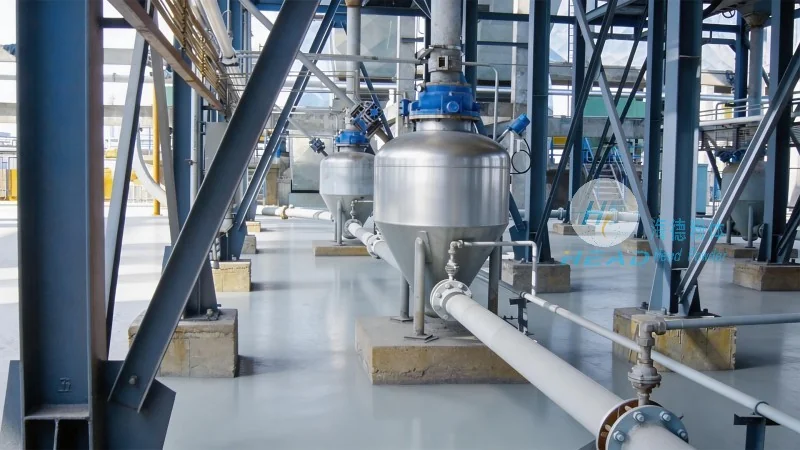
Design Principles for Efficient Carbon Fiber Material Pneumatic Conveying
The design of a carbon fiber material pneumatic conveying system is guided by several fundamental principles to ensure optimal performance and reliability. The first principle is the selection of appropriate air velocity. The air velocity must be high enough to lift and transport the carbon fiber particles but low enough to prevent excessive wear on the pipeline and equipment. This is typically determined by the particle size, density, and shape of the carbon fiber material, as well as the desired conveying distance. The second principle is the control of pressure and flow. The system must maintain a consistent pressure and flow rate to avoid surges or drops that could cause material blockages or system failures. This is achieved through the use of pressure regulators, flow meters, and control valves that monitor and adjust the air supply in real-time. The third principle is the prevention of material degradation. Carbon fiber materials are sensitive to friction and impact, which can cause them to break or degrade. Therefore, the system design must minimize these forces by using smooth surfaces, gentle bends, and low-pressure zones. This may involve the use of special materials for the pipeline and fittings, as well as the incorporation of air cushions or other damping mechanisms to reduce impact. The fourth principle is the system integration and safety. A well-designed pneumatic conveying system for carbon fiber materials must be integrated with other equipment, such as mixers or processing units, to form a seamless material handling process. Additionally, safety features, such as pressure relief valves, explosion-proof components, and dust collection systems, are essential to protect personnel and equipment from potential hazards.
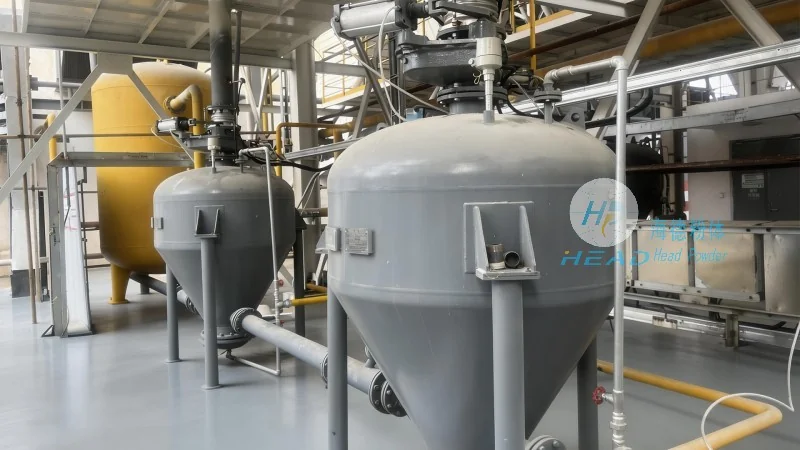
Applications and Benefits of Carbon Fiber Material Pneumatic Conveying Systems
Carbon fiber material pneumatic conveying systems are used in a variety of industrial applications where the efficient and safe transportation of carbon fiber powders or fibers is critical. These applications include the production of composite materials, where carbon fiber is mixed with resins or other matrices to create lightweight and high-strength components for aerospace, automotive, and sports equipment industries. In the aerospace sector, for example, carbon fiber is used to manufacture aircraft wings, fuselages, and other structural parts, and pneumatic conveying systems are used to transport the raw material from storage to the manufacturing line. In the automotive industry, carbon fiber is used to produce lightweight body panels and components that improve fuel efficiency and performance, and the conveying system ensures that the material is delivered to the production line in a consistent and controlled manner. Additionally, in the sports equipment industry, carbon fiber is used to manufacture tennis rackets, golf clubs, and other high-performance products, and the pneumatic conveying system facilitates the handling of the material during the manufacturing process.
About Shandong HeadPowder Engineering Co., Ltd.
Shandong HeadPowder Engineering Co., Ltd., commonly known as HeadPowder, is a leading engineering company specializing in the design and manufacturing of advanced material handling systems. With a focus on innovation and customer satisfaction, HeadPowder has developed a range of pneumatic conveying solutions tailored to the unique needs of industries that work with carbon fiber and other high-performance materials. The company's expertise lies in the integration of cutting-edge technology with practical engineering solutions to deliver systems that are efficient, reliable, and cost-effective. HeadPowder's team of experienced engineers and technicians work closely with clients to understand their specific requirements and provide customized solutions that meet their operational goals. The company's facilities are equipped with state-of-the-art equipment and testing capabilities, ensuring that each system is thoroughly tested and validated before delivery. HeadPowder is committed to providing high-quality products and services that help its clients improve their production processes and achieve their business objectives.