

What is the Pneumatic Conveying of Lithium Battery Positive and Negative Electrode Material Powders?
HeadPowder, a leading enterprise in the field of powder engineering, specializes in providing advanced solutions for the handling of lithium battery electrode materials. The company is headquartered in Shandong, China, and is committed to delivering innovative and efficient pneumatic conveying systems tailored to the unique requirements of the lithium battery industry.
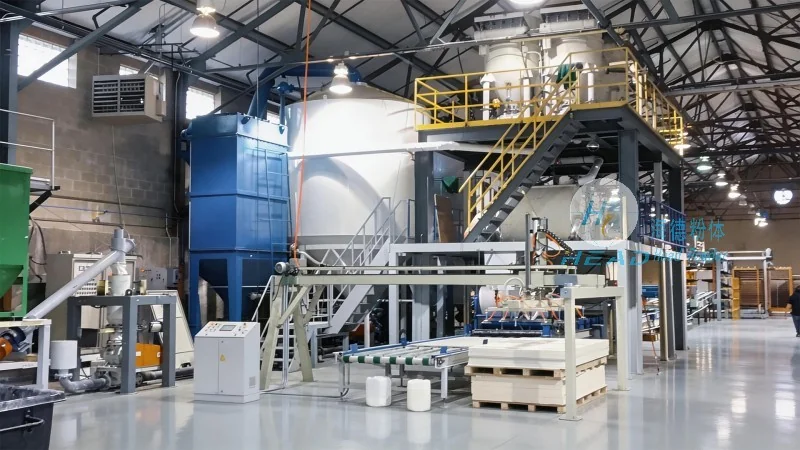
What is Pneumatic Conveying of Lithium Battery Electrode Materials?
Pneumatic conveying is a method used to transport bulk materials, such as lithium battery positive and negative electrode powders, through a pipeline using air or other gases. This technology is widely adopted in the lithium battery manufacturing process due to its ability to handle fine powders efficiently and safely. The process involves creating a flow of air within a pipeline, which draws the powder particles along with it, transporting them from the source to the destination without the need for mechanical components like belts or buckets.
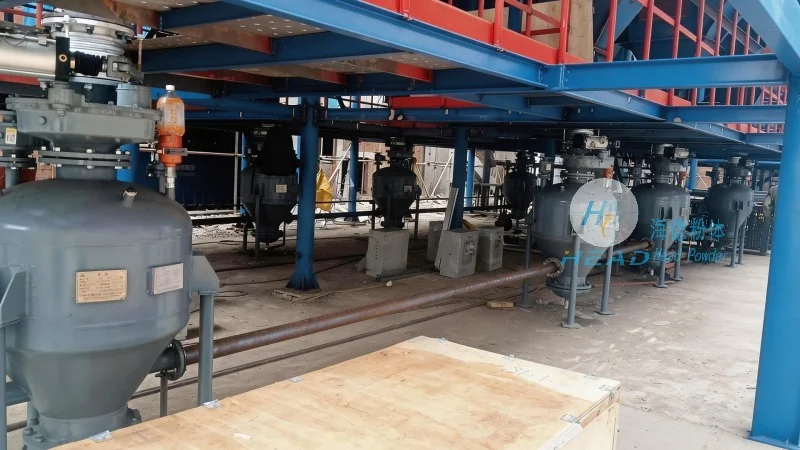
Characteristics of Lithium Battery Positive and Negative Electrode Materials
Lithium battery electrode materials, including cathode active materials (like lithium cobalt oxide, lithium nickel manganese cobalt oxide) and anode active materials (like graphite, silicon-based materials), are typically fine powders with high specific surface area and reactivity. These materials are sensitive to moisture and oxygen, making their handling and transportation critical for maintaining product quality and preventing contamination. Traditional methods like manual handling or mechanical conveyors may introduce dust, cause material degradation, or lead to safety hazards. Pneumatic conveying offers a solution by providing a closed system that protects the materials from environmental factors and ensures a controlled, dust-free transfer.
Design Principles of Pneumatic Conveying Systems for Electrode Materials
The design of a pneumatic conveying system for lithium battery electrode materials involves several key components and principles to ensure optimal performance. The system typically includes a material feed hopper, a conveyor pipeline, a blower or compressor to generate airflow, and a receiving hopper or storage tank. The design must consider the material's properties, such as particle size, density, and flowability, as well as the required conveying distance and flow rate. Key design principles include:
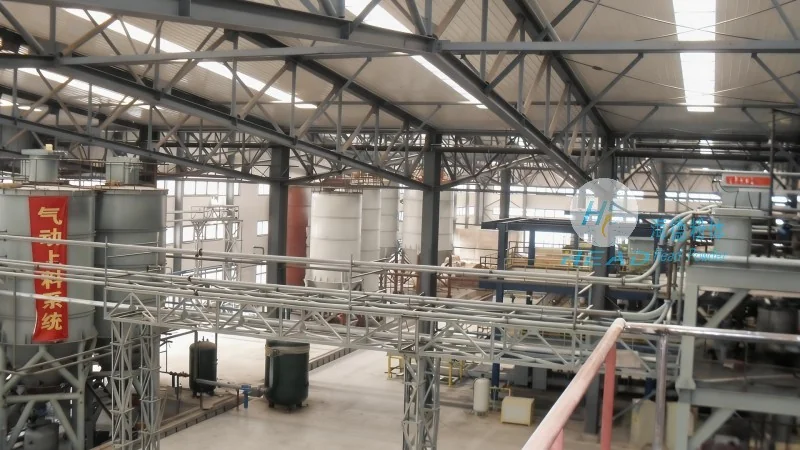
- System Classification: Pneumatic conveying systems are generally classified into two main types: dilute-phase and dense-phase. Dilute-phase systems use low air velocity to transport materials in a dispersed state, suitable for short distances and low material loads. Dense-phase systems use higher air velocity and pressure to transport materials in a slurry-like state, ideal for longer distances and higher material loads, minimizing material degradation and ensuring consistent flow.
- Pipeline Design: The pipeline diameter and length are critical factors. The diameter must be large enough to prevent particle accumulation and blockages, while the length must be optimized to balance air consumption and material transport efficiency. The pipeline material is usually stainless steel or other corrosion-resistant materials to handle the chemical properties of the electrode powders.
- Airflow Control: Precise control of air velocity and pressure is essential to maintain the desired conveying rate and prevent material separation or clogging. This is achieved through the use of blowers with adjustable speed or pressure control, as well as flow meters and pressure sensors to monitor system performance in real-time.
- Material Handling: The system must be designed to handle the unique characteristics of electrode materials, such as their tendency to agglomerate or form dust. This may involve the use of special feeders (e.g., rotary valves, screw feeders) to ensure a consistent material flow and prevent blockages. Additionally, the system may include dust collection and filtration components to ensure environmental compliance and product purity.
Advantages of Pneumatic Conveying for Lithium Battery Electrode Materials
Pneumatic conveying systems offer several advantages over traditional mechanical conveyors when handling lithium battery electrode materials. These advantages include: