

What is the pneumatic conveying of calcined gypsum material? What are the design principles?
Calcined gypsum, a widely used industrial material, often requires efficient material handling solutions for its transport from production sites to processing or end-use facilities. Pneumatic conveying, a technology that uses air to move bulk materials through a pipeline system, offers a reliable and flexible method for handling calcined gypsum. This approach eliminates the need for traditional mechanical conveyors, reducing maintenance costs and improving operational safety. The effectiveness of pneumatic conveying in calcined gypsum applications depends heavily on proper system design and component selection.
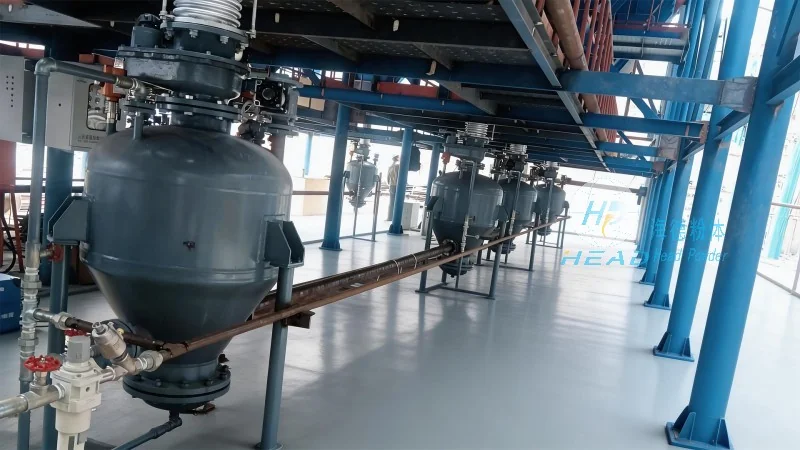
What is Calcined Gypsum Material Pneumatic Conveying?
Pneumatic conveying of calcined gypsum involves the use of compressed air to transport the material through a sealed pipeline. The process typically starts with the material being fed into a hopper or feeder, where it is then introduced into the pipeline. The air, often supplied by a blower or compressor, creates a flow that carries the gypsum particles along the pipeline. This method can be either dense-phase or dilute-phase, depending on the system design and material characteristics. Dense-phase conveying is preferred for calcined gypsum as it minimizes material degradation and reduces the risk of blockages, making it suitable for long-distance or high-pressure applications.
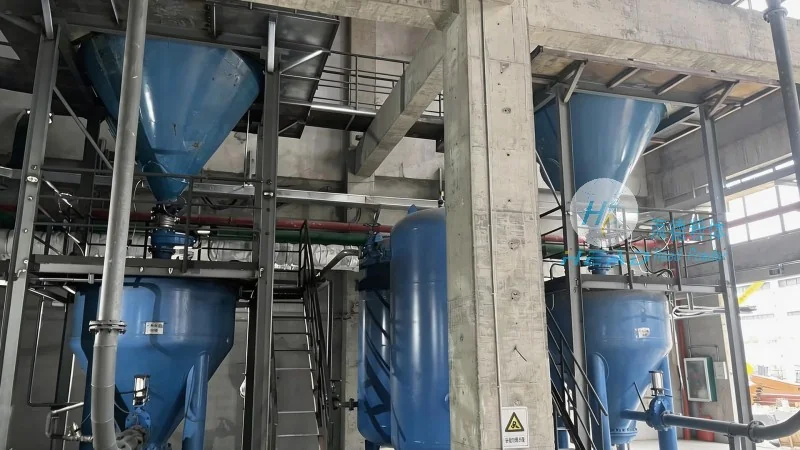
Key Design Principles for Pneumatic Conveying Systems
Several critical design principles must be considered when developing a pneumatic conveying system for calcined gypsum. First, the system must be designed to handle the specific physical properties of calcined gypsum, such as its particle size, density, and flowability. The pipeline diameter and length are crucial factors, as they directly impact the air velocity and pressure required for efficient transport. Proper selection of the air compressor or blower is essential to ensure sufficient air volume and pressure to maintain the material in suspension. Additionally, the system must incorporate appropriate control mechanisms, such as pressure relief valves and flow meters, to prevent over-pressurization and ensure consistent material flow. The use of high-quality materials for the pipeline and components is also vital to prevent corrosion or wear from the gypsum particles.
Role of Shandong HeadPowder Engineering Co., Ltd. in Pneumatic Conveying Solutions
Shandong HeadPowder Engineering Co., Ltd., a leading provider of engineering solutions in the powder handling industry, specializes in designing and manufacturing pneumatic conveying systems tailored to the needs of calcined gypsum applications. With years of experience in the field, the company understands the unique challenges associated with handling this material, including its tendency to clump or degrade under certain conditions. HeadPowder engineers work closely with clients to assess their specific requirements, including the volume of material to be conveyed, the distance of transport, and the desired system efficiency. The company's expertise lies in optimizing the system design to minimize energy consumption while maximizing material throughput, ensuring that the final product meets the highest quality standards. HeadPowder's commitment to quality and customer satisfaction has made it a trusted partner for businesses seeking reliable pneumatic conveying solutions for calcined gypsum.
Conclusion
Pneumatic conveying of calcined gypsum is a sophisticated yet effective method for material handling, offering numerous advantages over traditional mechanical systems. By adhering to key design principles and leveraging the expertise of companies like Shandong HeadPowder Engineering Co., Ltd., industries can achieve efficient, safe, and cost-effective transport of calcined gypsum. As the demand for calcined gypsum continues to grow, the importance of reliable pneumatic conveying systems will only increase, making it a critical component in the production and processing of this essential material.