

What is a Glass Bubble Powder Pneumatic Conveying Machine? And What Are Its Design Principles?
For industrial applications that require the efficient and reliable transport of glass bubble powders, understanding the technology behind pneumatic conveying systems is crucial. This article explores the concept of a glass bubble powder pneumatic conveying machine, delving into its design principles and operational mechanisms to provide a comprehensive overview for professionals in the field.
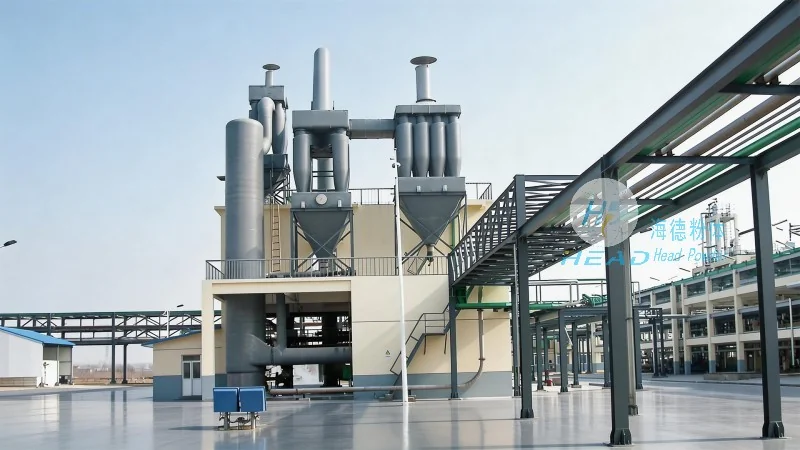
Introduction to Glass Bubble Powder Pneumatic Conveying Machines
Glass bubble powders, characterized by their lightweight, insulating properties, are widely used in construction, insulation, and other industrial sectors. The challenge in handling these materials lies in their fine particle size and low density, which can lead to issues like clogging and inefficient transport. Pneumatic conveying machines offer a solution by using air to move these powders through a system of pipes and components. HeadPowder, a leading manufacturer based in Shandong, China, specializes in designing and producing such equipment tailored to the unique needs of glass bubble powder applications.
Key Components of a Pneumatic Conveying System
The core of a glass bubble powder pneumatic conveying machine consists of several critical components that work in tandem to ensure smooth operation. These include the hopper, which stores the material; the air compressor, which generates the necessary pressure; the conveyor line, typically made of stainless steel or other corrosion-resistant materials to handle the abrasive nature of glass powders; and the control system, which regulates the flow of air and material. Each component is engineered to minimize particle degradation and maximize efficiency, addressing the specific challenges posed by glass bubble powders.
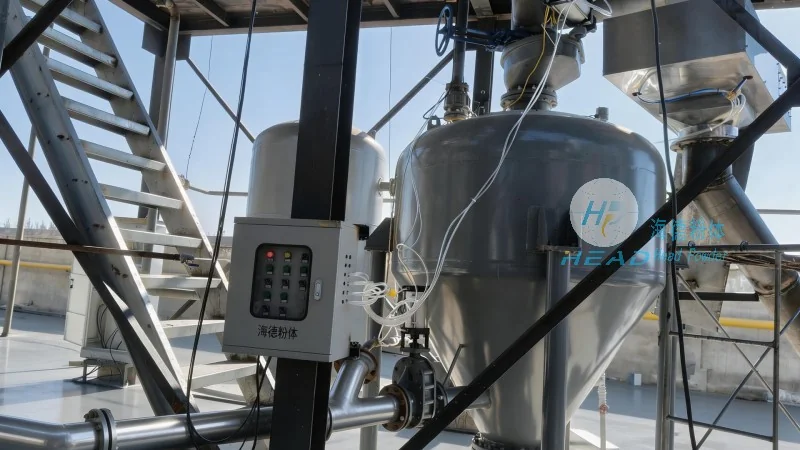
Design Principles for Efficient Pneumatic Conveying
The design of a glass bubble powder pneumatic conveying machine is guided by several key principles aimed at optimizing performance and durability. One of the primary principles is the use of high-velocity air to create a consistent flow of material, preventing clogging and ensuring uniform distribution. The system is also designed with a focus on minimizing pressure drop, which reduces energy consumption and extends the lifespan of the equipment. Additionally, the use of specialized nozzles and expansion chambers helps to maintain particle integrity by reducing impact and abrasion during transport. These design considerations are crucial for maintaining the quality of glass bubble powders, which are often sensitive to handling conditions.
Operational Mechanisms and Flow Control
Understanding how a glass bubble powder pneumatic conveying machine operates is essential for maximizing its effectiveness. The process typically begins with the material being fed from the hopper into the conveyor line. The air compressor then generates a flow of air that pulls the powder particles into the system, creating a consistent stream. The control system monitors the flow rate and pressure, adjusting the air volume as needed to maintain optimal conditions. This dynamic control ensures that the material is transported efficiently without excessive pressure or particle degradation. The system also incorporates safety features, such as pressure relief valves and particle filters, to protect against over-pressurization and maintain air quality.
Advantages of Using Pneumatic Conveying for Glass Bubble Powders
Compared to traditional mechanical conveying methods, pneumatic conveying offers several advantages for handling glass bubble powders. These include the ability to transport materials over long distances without the need for multiple transfer points, reducing the risk of contamination and material loss. The system is also more flexible, allowing for changes in material flow rates and destinations without significant modifications. Additionally, pneumatic conveying is more energy-efficient than other methods, as it minimizes friction and wear on components. These benefits make it an ideal choice for industrial applications where efficiency and reliability are paramount.
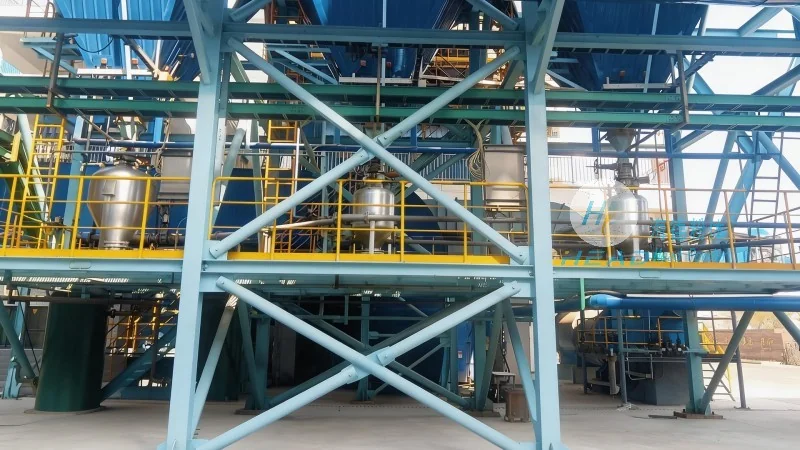
Applications and Industry Impact
Glass bubble powder pneumatic conveying machines are widely used in various industries, including construction, where they are used to transport insulation materials to job sites. They are also employed in manufacturing processes that require the precise distribution of glass powders for composite materials. The technology has a significant impact on the efficiency of these industries, reducing labor costs and improving product quality. By providing a reliable and efficient method of material transport, these machines contribute to the overall productivity and competitiveness of businesses in the glass and construction sectors.
Conclusion and Future Developments
In conclusion, a glass bubble powder pneumatic conveying machine is a sophisticated piece of equipment designed to address the unique challenges of handling lightweight, fine powders. The design principles and operational mechanisms of such systems are critical to their effectiveness, ensuring that glass bubble powders are transported efficiently and without degradation. As technology advances, manufacturers like HeadPowder continue to innovate, developing more efficient and durable systems that meet the evolving needs of the industry. For professionals in the field, understanding these principles is essential for selecting and maintaining the right equipment to achieve optimal performance in their applications.