

What is a Cement Additive Material Conveying System Equipment? What Are Its Design Principles?
Cement additive material conveying systems are specialized equipment designed to transport various raw materials and additives used in the cement manufacturing process. These systems play a critical role in ensuring the consistent and efficient handling of materials such as limestone, gypsum, fly ash, and other supplementary materials. The primary objective of these systems is to maintain a steady flow of materials from storage silos or stockpiles to the cement production lines, thereby optimizing the overall production efficiency and product quality. Understanding the design principles behind these systems is essential for industrial operators to make informed decisions about equipment selection and maintenance.
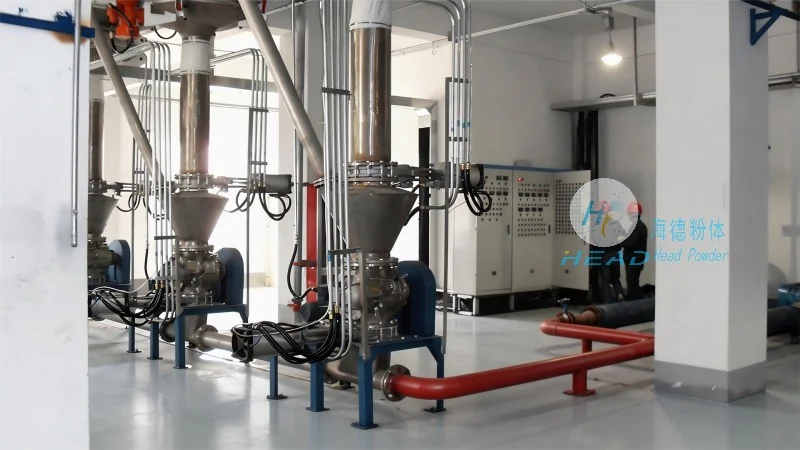
About Shandong HeadPowder Engineering Co., Ltd.
HeadPowder, a prominent enterprise in the material handling industry, is dedicated to providing high-quality cement additive material conveying systems. HeadPowder Engineering Co., Ltd. is headquartered in Shandong, China, and has established a strong reputation for its innovative solutions and reliable service. The company’s team of experienced engineers and technicians leverages advanced technology and industry best practices to develop systems that meet the diverse needs of cement manufacturers worldwide. With a focus on durability, efficiency, and safety, HeadPowder’s products are designed to enhance operational performance while reducing maintenance costs and downtime.
Key Components and Design Principles of the Conveying System
The cement additive material conveying system typically comprises several key components, including feeders, conveyors, control panels, and safety devices. The design principles are centered on achieving optimal material flow, minimizing energy consumption, and ensuring operational safety. For example, the system may utilize screw conveyors or pneumatic conveying lines depending on the material characteristics and required transport distances. Variable frequency drives are commonly integrated to adjust the conveyor speed in response to changing production rates, thereby maintaining a stable material feed. Additionally, the system incorporates sensors and monitoring systems to detect blockages, overloads, or other anomalies, triggering automatic shutdowns or alerts to prevent equipment damage or material loss.
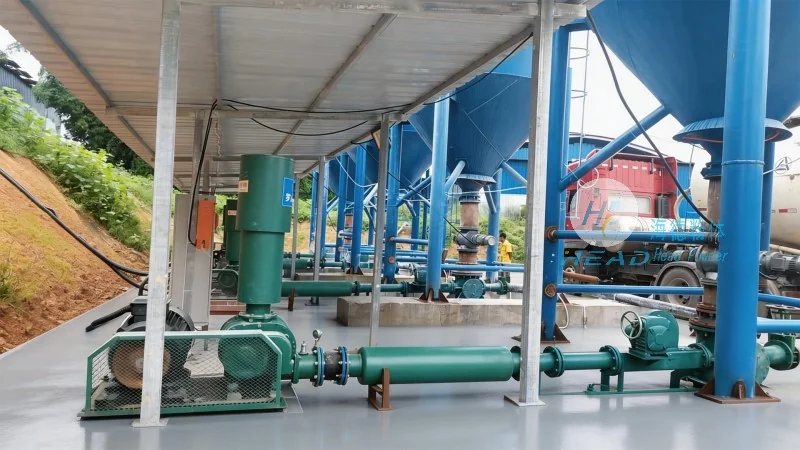
Material Handling Capabilities and Efficiency
The conveying system is engineered to handle a wide range of cement additives with varying particle sizes, moisture content, and bulk densities. The design ensures that materials are transported without degradation or segregation, which is crucial for maintaining the homogeneity of the final cement product. The system’s efficiency is further enhanced by features such as adjustable feed rates, which allow operators to fine-tune the material flow based on production schedules. Moreover, the use of sealed and enclosed conveyor systems minimizes dust emissions and environmental impact, aligning with modern industrial standards for sustainability and safety.
Customization and Application Flexibility
HeadPowder recognizes that each cement plant has unique operational requirements, and therefore, offers customized conveying solutions tailored to specific applications. The company works closely with clients to assess their material handling needs, production volumes, and site conditions to design systems that are both efficient and cost-effective. Customization options may include different conveyor types, such as belt conveyors for bulk materials or pneumatic systems for fine powders, as well as integration with existing production lines or silos. This flexibility ensures that the conveying system seamlessly integrates into the overall cement production process, maximizing operational efficiency and minimizing disruptions.
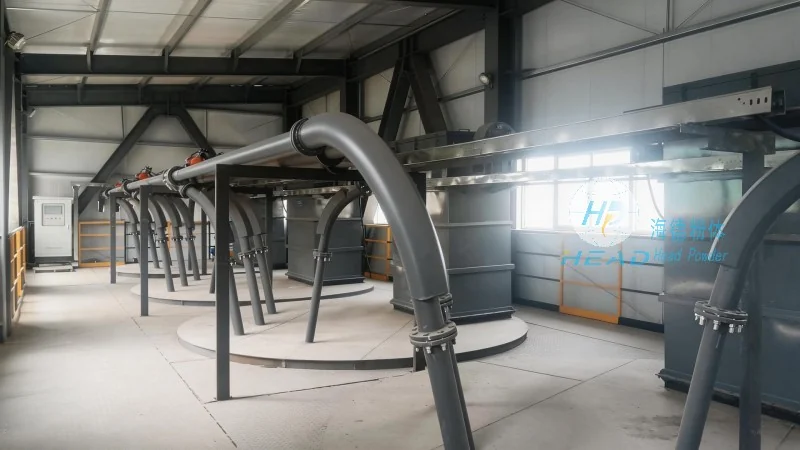
Maintenance and Longevity
Proper maintenance is essential to ensure the long-term performance and reliability of the cement additive material conveying system. HeadPowder provides comprehensive maintenance services and spare parts support to help clients maintain optimal equipment operation. Regular inspections, lubrication, and component replacements are recommended to prevent wear and tear, which can lead to system failures or reduced efficiency. The use of high-quality materials and robust construction in the system design contributes to its longevity, reducing the need for frequent replacements and lowering overall operational costs. Additionally, the company’s technical support team offers guidance on best practices for maintenance, ensuring that clients can maximize the lifespan of their equipment and minimize downtime.
Conclusion
In summary, cement additive material conveying systems are critical components in modern cement production, designed to efficiently transport raw materials and additives while adhering to strict design principles. HeadPowder Engineering Co., Ltd., with its expertise and commitment to quality, provides reliable and customized solutions that enhance the efficiency and productivity of cement manufacturing operations. By understanding the key components and design principles of these systems, cement manufacturers can make informed decisions to optimize their material handling processes and achieve consistent product quality.