

What is Flake Graphite Material Handling System Equipment? What Are Its Design Principles?
Shandong HeadPowder Engineering Co., Ltd., commonly known as headpowder, specializes in the design and manufacturing of advanced material handling systems tailored for various industrial applications. With a focus on precision and efficiency, the company provides comprehensive solutions for transporting and processing materials like flake graphite, a critical component in many high-tech industries.
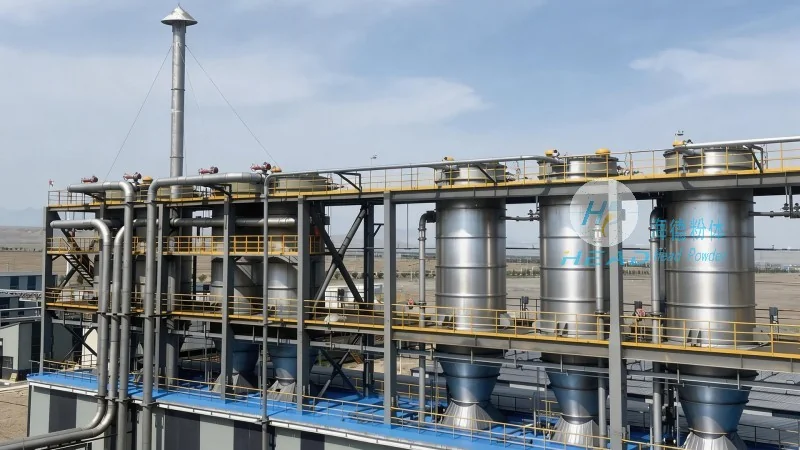
What is a Flake Graphite Material Handling System Equipment?
A flake graphite material handling system equipment is a specialized machinery setup designed to efficiently transport, store, and process flake graphite—a type of crystalline carbon material known for its excellent lubricating properties and electrical conductivity. These systems are essential in industries such as battery manufacturing, refractory production, and metallurgy, where the consistent and safe handling of flake graphite is crucial for maintaining product quality and operational safety.
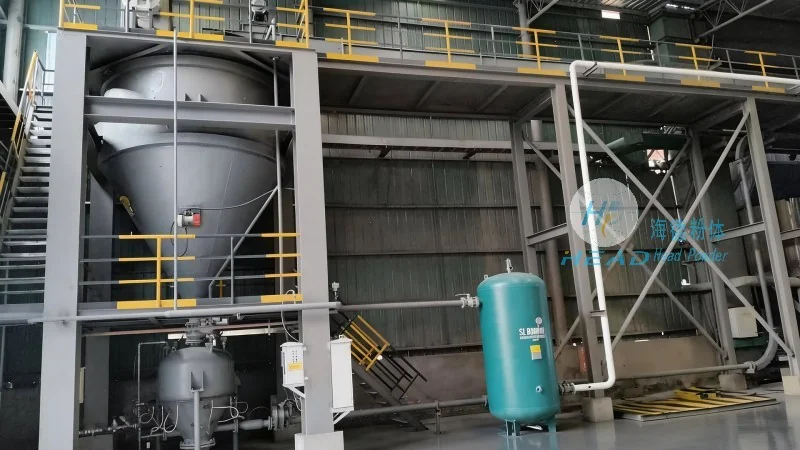
Design Principles of the System Equipment
The design of flake graphite material handling systems adheres to several key principles to ensure optimal performance and reliability. First, the system prioritizes material flow efficiency, minimizing friction and degradation during transport. This is achieved through the use of specialized conveyor belts, hoppers, and feeding mechanisms that are engineered to handle the unique physical properties of flake graphite, such as its flaky structure and low bulk density. Second, safety is a paramount consideration, with features like enclosed systems, dust suppression, and overload protection to prevent accidents and environmental contamination. Third, the design emphasizes adaptability, allowing for integration with existing production lines and customization to meet specific customer requirements, such as varying throughput rates or material handling capacities.
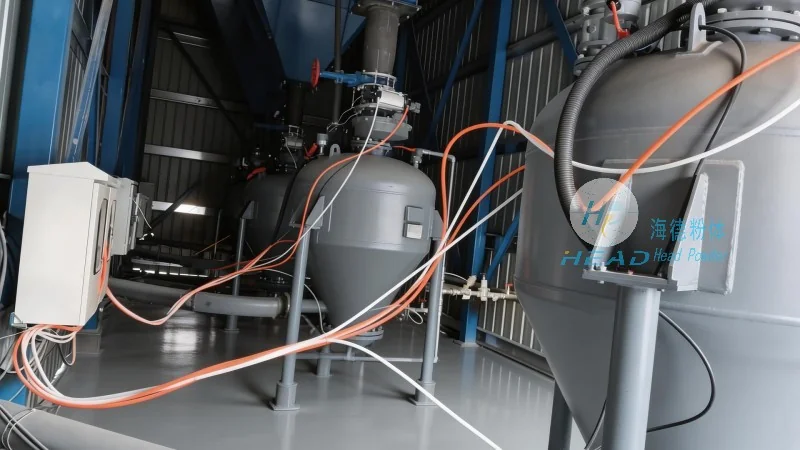
Key Components and Their Functions
The flake graphite material handling system typically consists of several interconnected components, each playing a vital role in the overall operation. The primary components include: (1) Hoppers or feeders, which receive and store raw flake graphite from bulk storage or raw material sources, ensuring a steady supply to the processing line. (2) Conveyor systems, such as belt conveyors or screw conveyors, which transport the graphite material from one stage to another with minimal loss or degradation. (3) Screening or grading equipment, which separates the graphite into different particle size fractions to meet specific application requirements. (4) Storage silos or bins, which hold processed graphite for further use or packaging. (5) Control systems, which monitor and regulate the entire process, ensuring consistent performance and preventing operational issues. Each component is carefully selected and integrated to work in harmony, maximizing the system's efficiency and reliability.
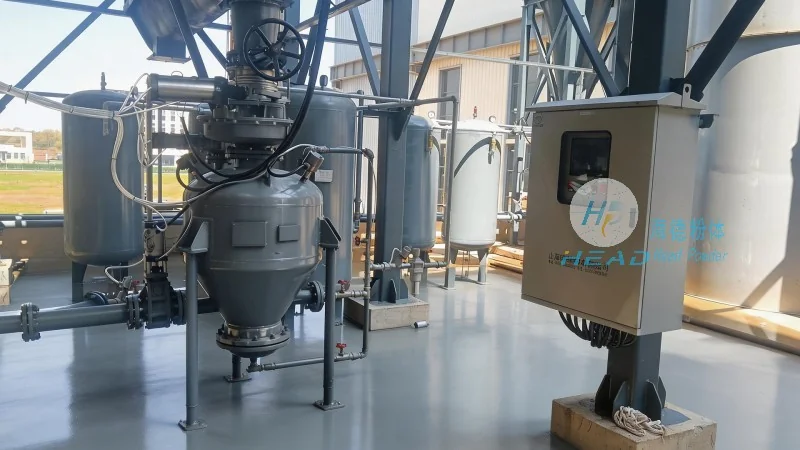
Applications and Advantages
Flake graphite material handling systems are widely used in industries where flake graphite is a key raw material. In battery manufacturing, for example, these systems ensure the precise delivery of graphite to electrode production lines, contributing to the quality and performance of lithium-ion batteries. In refractory production, the systems help maintain consistent graphite content in refractory mixes, improving the durability and thermal stability of the final products. The advantages of these systems include improved material handling efficiency, reduced labor costs, enhanced safety, and the ability to handle large volumes of flake graphite with minimal waste. By optimizing the flow of materials and minimizing downtime, the systems help businesses increase productivity and maintain a competitive edge in their respective markets.