

[Molybdenum Oxide Material Handling System Equipment: Understanding Its Design Principles]
For industries dealing with molybdenum oxide, the selection and understanding of appropriate material handling systems are critical to operational efficiency and safety. This article explores the concept of a molybdenum oxide material handling system equipment and delves into its design principles, providing insights into how such systems are engineered to meet the specific demands of handling this valuable material.
Introduction to Molybdenum Oxide Material Handling Systems
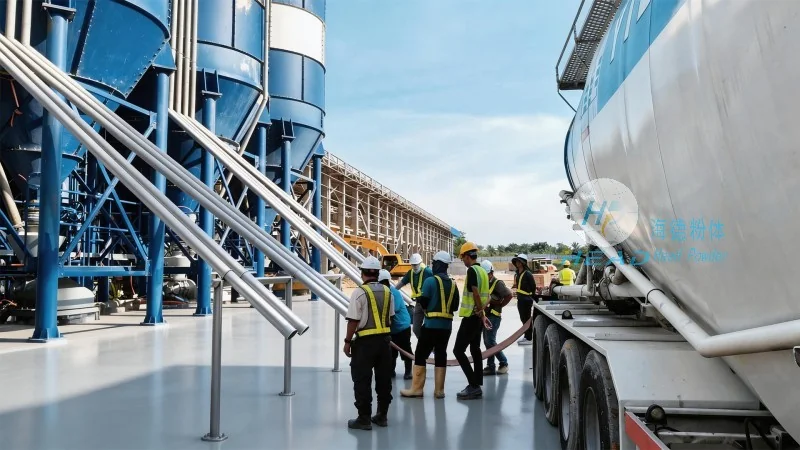
Molybdenum oxide, a key compound in the production of molybdenum metal and various industrial applications, requires specialized equipment for safe and efficient transportation. The molybdenum oxide material handling system equipment is designed to manage the flow of this material from storage to processing or packaging stages. Such systems are integral to ensuring that the material is handled without contamination, damage, or exposure risks, which are paramount in industrial settings.
Key Components of Molybdenum Oxide Material Handling Equipment
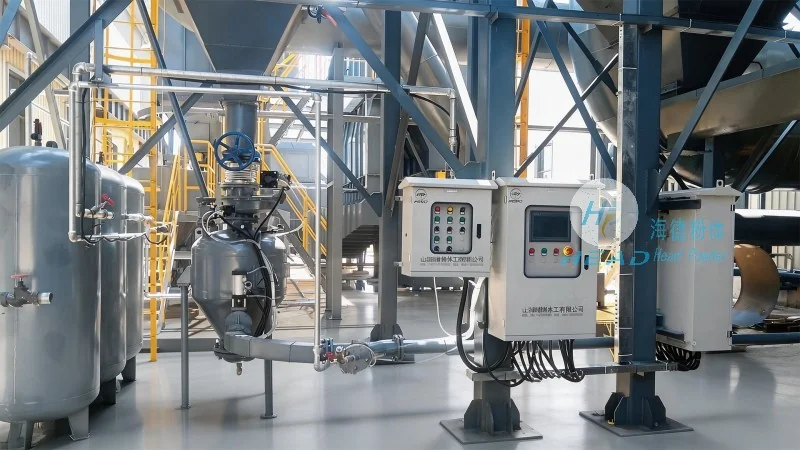
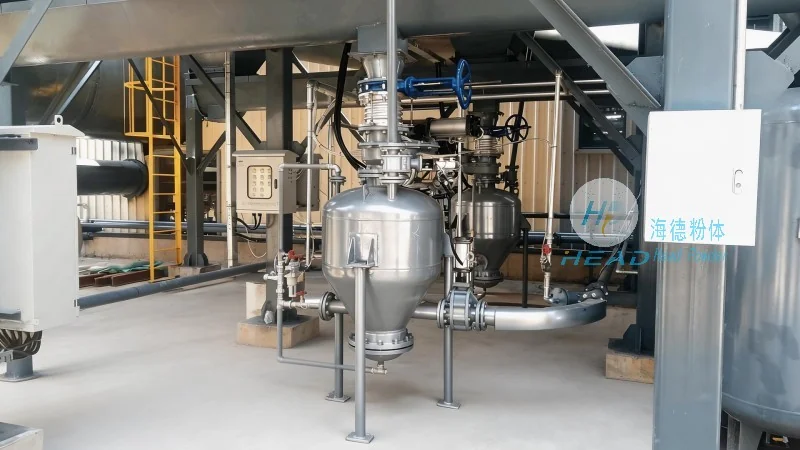
The design of a molybdenum oxide material handling system typically incorporates several critical components. These include storage silos or hoppers that are constructed from materials resistant to corrosion and chemical reactions, often made from stainless steel or specialized alloys to prevent contamination. Conveying systems, such as screw conveyors or pneumatic transport lines, are used to move the material from storage to processing units. These conveyors are designed with smooth surfaces and minimal dead zones to avoid material buildup and ensure consistent flow. Additionally, the system may include feeding mechanisms, such as rotary valves or feeders, which regulate the discharge rate of the material, preventing overloading or underflow. The control systems, often integrated with sensors and automation technology, monitor the flow rate, pressure, and level of the material, ensuring optimal operation and safety.
Design Principles for Molybdenum Oxide Handling
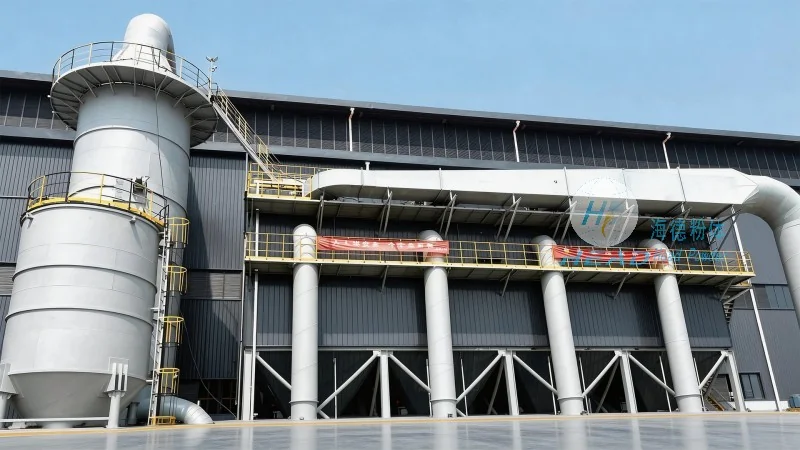
The design principles for molybdenum oxide material handling systems prioritize several key factors. First, material compatibility is crucial. The equipment must be constructed from materials that do not react with molybdenum oxide, ensuring that the material remains pure and free from contaminants. This often involves the use of inert materials or specialized coatings. Second, the system must be designed for minimal dust generation and containment. Molybdenum oxide is a fine powder, and proper sealing and dust collection systems are essential to prevent inhalation risks and environmental contamination. Third, the system is engineered for durability and reliability. Given the abrasive nature of molybdenum oxide, components such as hoppers and conveyors are built with wear-resistant materials and regular maintenance schedules to extend their operational life. Fourth, safety is a top priority. The system includes features like explosion-proof designs, emergency shut-off valves, and access controls to protect operators and prevent accidents. Finally, the design aims for efficiency and scalability, allowing the system to adapt to varying production volumes and integrate with existing industrial processes.
Role of Shandong HeadPowder Engineering Co., Ltd. in Molybdenum Oxide Handling Solutions
Shandong HeadPowder Engineering Co., Ltd., a leading provider of material handling solutions, specializes in designing and manufacturing equipment tailored to the needs of molybdenum oxide processing. The company, often referred to as HeadPowder, leverages years of experience in the industry to develop systems that meet the stringent requirements of handling this valuable material. With a focus on innovation and customer-centric solutions, HeadPowder engineers work closely with clients to understand their specific operational challenges and design customized material handling systems. The company’s facilities are located in Shandong, China, where they maintain state-of-the-art manufacturing capabilities and quality control processes. By combining advanced engineering with practical application knowledge, HeadPowder ensures that their molybdenum oxide material handling systems are not only efficient but also safe and reliable for long-term use.
Conclusion: The Importance of Specialized Molybdenum Oxide Handling Systems
In conclusion, the molybdenum oxide material handling system equipment is a sophisticated and essential component of industrial operations dealing with this valuable material. The design principles behind such systems focus on material compatibility, dust control, durability, safety, and efficiency. Companies like Shandong HeadPowder Engineering Co., Ltd. play a vital role in providing these specialized solutions, ensuring that industries can handle molybdenum oxide safely and effectively. By investing in well-designed material handling systems, businesses can enhance their operational performance, reduce risks, and maintain the quality of their molybdenum oxide products.