

What is an Asbestos Powder Material Handling System Equipment? What is its Design Principle?
Asbestos powder material handling systems are specialized equipment designed to safely and efficiently transport asbestos powder in industrial settings. These systems are crucial for industries dealing with asbestos, as they ensure compliance with safety regulations and maintain operational efficiency. The design of such systems involves several key components and principles that address the unique challenges posed by asbestos powder.
Key Components of Asbestos Powder Material Handling Systems
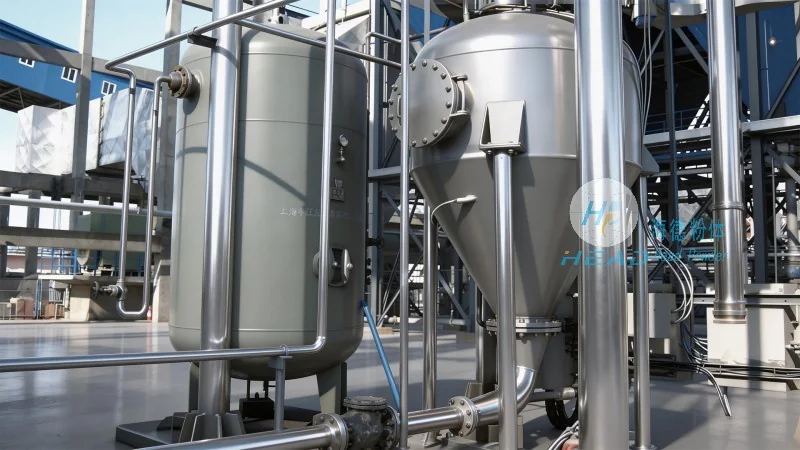
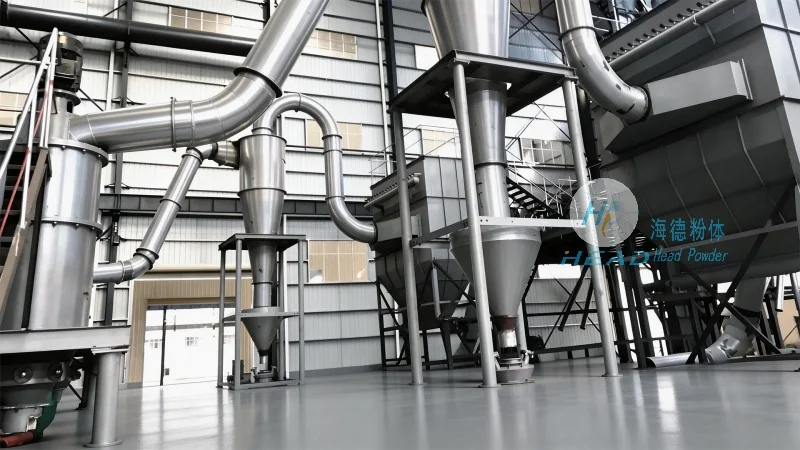
The primary components of an asbestos powder material handling system typically include dust collection units, conveying equipment, and material storage containers. Dust collection units are essential for controlling airborne asbestos fibers, which are hazardous to human health. These units often use high-efficiency particulate air (HEPA) filters or other advanced filtration technologies to capture fine asbestos particles. Conveying equipment, such as pneumatic or mechanical conveyors, transports the powder from one location to another while minimizing dust dispersion. Material storage containers are designed to hold the asbestos powder securely, often with sealed lids and ventilation systems to prevent dust release.
Design Principles for Asbestos Powder Handling Systems
The design of asbestos powder material handling systems is guided by several critical principles aimed at safety, efficiency, and regulatory compliance. First, the system must prioritize containment to prevent asbestos fibers from entering the environment. This is achieved through enclosed conveying lines, sealed storage vessels, and proper ventilation systems. Second, the equipment must be constructed from materials that are resistant to corrosion and wear, as asbestos powder can be abrasive and chemically aggressive. Common materials include stainless steel, which provides durability and resistance to contamination. Third, the system must incorporate safety features such as interlocks and emergency shutdown mechanisms to protect operators from exposure. Additionally, the design considers the flow characteristics of asbestos powder, ensuring that the conveying velocity and pressure are optimized to prevent clogging and maintain consistent material flow.
Applications and Industries Using Asbestos Powder Handling Systems
Asbestos powder material handling systems are widely used in various industrial applications, particularly in the manufacturing and processing of asbestos-based products. Industries such as construction, automotive, and insulation manufacturing rely on these systems to handle asbestos powder during production processes. For example, in the construction industry, asbestos powder is used in the production of roofing materials and fireproofing compounds. The handling systems ensure that the powder is transported safely from storage to production lines, minimizing the risk of exposure for workers. In the automotive industry, asbestos is used in brake linings and clutch components, and the handling systems facilitate the efficient transfer of powder during manufacturing. The insulation industry also utilizes asbestos powder in the production of thermal and acoustic insulation materials, where the handling systems play a vital role in maintaining product quality and safety.
Regulatory Compliance and Safety Standards
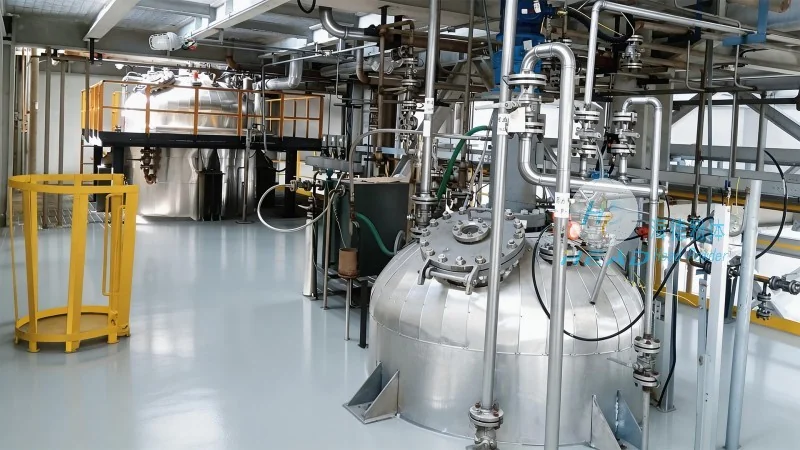
Handling asbestos powder requires strict adherence to regulatory standards to protect both workers and the environment. The design and operation of asbestos powder material handling systems must comply with guidelines from organizations such as the Occupational Safety and Health Administration (OSHA) and the Environmental Protection Agency (EPA). These regulations mandate the use of enclosed systems, proper filtration, and regular maintenance to prevent asbestos exposure. The systems are typically equipped with monitoring devices to detect any leaks or malfunctions, ensuring that any issues are addressed promptly. Additionally, the storage containers must be labeled clearly with warnings about the hazardous nature of asbestos, and access to these containers is restricted to authorized personnel. Regular inspections and testing of the filtration systems are also required to ensure their effectiveness in capturing asbestos fibers.
Advantages of Using Asbestos Powder Handling Systems
Implementing asbestos powder material handling systems offers several advantages for industrial operations. First, these systems enhance safety by reducing the risk of asbestos exposure for workers. By containing the powder and controlling dust, the systems minimize the potential for respiratory diseases and other health issues associated with asbestos. Second, the systems improve operational efficiency by streamlining the material transport process. Enclosed conveying and automated storage solutions reduce downtime and labor costs associated with manual handling. Third, the systems contribute to regulatory compliance, helping companies avoid fines and legal issues related to asbestos handling. Additionally, the use of advanced filtration and monitoring technologies ensures that the systems operate effectively over time, reducing maintenance costs and extending the lifespan of the equipment.