

What is a Grass Pellet Material Conveying System? And What Are Its Design Principles?
Grass pellet material conveying systems are essential components in the processing and handling of grass pellets, which are a popular renewable energy source and animal feed product. These systems are designed to efficiently transport grass pellets from one location to another within a production facility or processing plant. Understanding the components and design principles of such systems is crucial for optimizing operational efficiency and ensuring consistent material flow. Shandong HeadPowder Engineering Co., Ltd., a leading manufacturer of grass pellet processing equipment, specializes in designing and manufacturing efficient material conveying systems that meet the specific needs of grass pellet producers.
Understanding Grass Pellet Material Conveying Systems
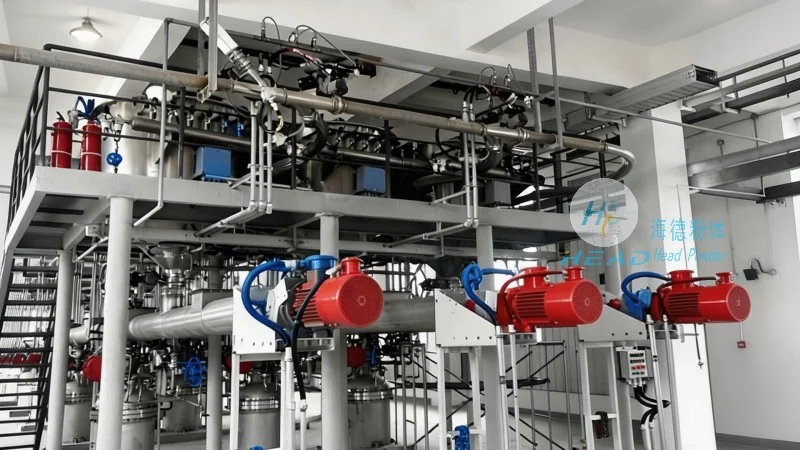
A grass pellet material conveying system typically consists of several key components that work together to move pellets through a facility. The primary components include a feeding mechanism, a conveyor system (such as a belt conveyor, screw conveyor, or pneumatic conveyor), and a control system that regulates the flow of material. The feeding mechanism ensures that the pellets are evenly and continuously fed into the conveyor, while the conveyor transports them to the desired destination, such as a storage silo, processing unit, or packaging area. The control system monitors and adjusts the speed and flow rate to maintain optimal performance and prevent blockages or overloading.
Design Principles for Efficient Material Handling
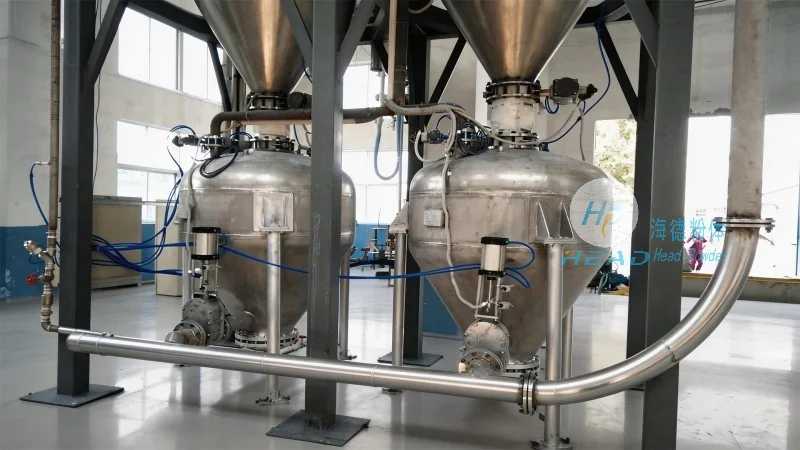
The design of a grass pellet material conveying system is based on several key principles to ensure efficiency, reliability, and durability. One of the most important principles is the selection of the appropriate conveyor type based on the characteristics of the grass pellets, such as their size, density, and moisture content. For example, a screw conveyor is often used for dry, free-flowing pellets, while a belt conveyor may be more suitable for wet or sticky pellets. The system must also be designed to handle the specific load capacity and flow rate required by the production process. Additionally, the system should be constructed from materials that are resistant to wear and corrosion, such as stainless steel or high-quality plastics, to ensure long-term performance and minimal maintenance.
Key Components and Their Functions
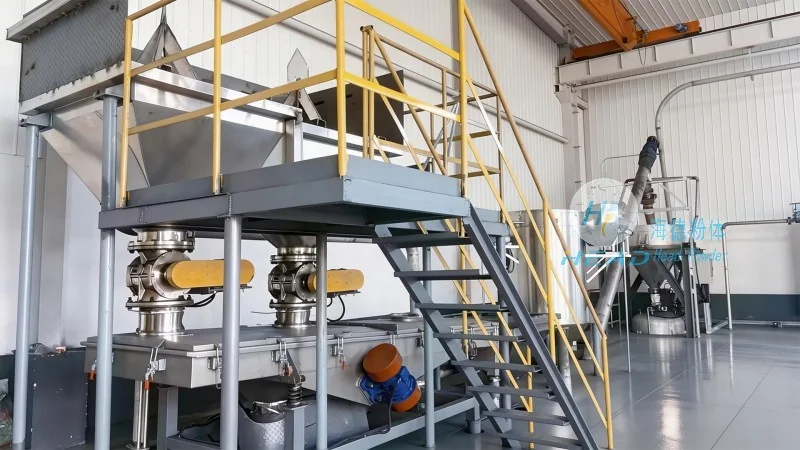
Each component of a grass pellet material conveying system plays a critical role in the overall operation. The feeding mechanism, often a hopper or feeder, is responsible for supplying the pellets to the conveyor at a consistent rate. The hopper is typically designed with a sloped bottom to prevent material buildup and ensure smooth flow. The conveyor itself is the core of the system, responsible for transporting the pellets over a specified distance. Belt conveyors use a continuous belt to move material, while screw conveyors use a rotating screw to push material forward. Pneumatic conveyors use air pressure to transport pellets through a pipeline, which is particularly useful for long-distance or vertical transport. The control system, which may include sensors, motors, and a programmable logic controller (PLC), monitors the system's performance and adjusts the conveyor speed or feeding rate as needed to maintain optimal operation.
Benefits of Using a Grass Pellet Material Conveying System
Implementing a well-designed grass pellet material conveying system offers several benefits for businesses involved in grass pellet production. First, it improves operational efficiency by ensuring a consistent and continuous flow of material, reducing downtime and increasing production throughput. Second, it enhances safety by minimizing the need for manual handling of pellets, which can be heavy and cumbersome. Third, it reduces labor costs by automating the material transport process, allowing workers to focus on other tasks. Fourth, it improves product quality by preventing contamination or degradation of the pellets during transport. Finally, it increases the lifespan of equipment by reducing wear and tear from manual handling or inefficient transport methods.
Application Examples in Grass Pellet Production
Grass pellet material conveying systems are commonly used in various stages of grass pellet production. For example, after the grass has been processed into pellets, the system can transport the pellets from the drying or cooling unit to a storage silo. The pellets can then be conveyed from the storage silo to a packaging line, where they are packaged into bags or bulk containers for distribution. In some cases, the system may also be used to transport pellets from a processing plant to a nearby power plant or animal feed facility. The versatility of these systems allows them to be adapted to different production processes and facility layouts, making them a valuable asset for any grass pellet producer.
Conclusion
In conclusion, grass pellet material conveying systems are critical for the efficient and reliable operation of grass pellet production facilities. By understanding the design principles and key components of these systems, businesses can optimize their material handling processes, improve productivity, and reduce costs. The use of high-quality materials and advanced control systems ensures that these systems can handle the demands of modern grass pellet production, providing a reliable and efficient solution for transporting pellets throughout the production process. As the demand for grass pellets continues to grow, the importance of well-designed conveying systems will only increase, making them an essential investment for any grass pellet producer. Shandong HeadPowder Engineering Co., Ltd. remains committed to providing innovative and reliable conveying solutions to meet the evolving needs of the grass pellet industry.