

What is a Silica Fume Material Handling System? What are its Design Principles?
Silica fume, also known as microsilica, is a byproduct of silicon metal production or ferrosilicon alloys. It is a fine powder with a high surface area, making it valuable in concrete applications for enhancing strength and durability. The efficient handling and transportation of silica fume are critical for construction and industrial processes, as it must be delivered to mixing sites or storage facilities without degradation or loss. This article explores the components and design principles of a silica fume material handling system, highlighting the key factors that ensure optimal performance and reliability.
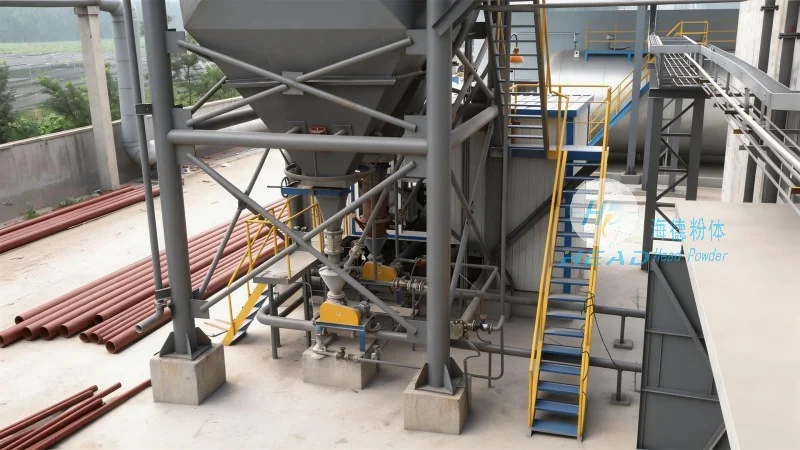
Key Components of a Silica Fume Material Handling System
A typical silica fume material handling system consists of several key components that work in tandem to ensure safe and efficient material transport. These components include feeders, conveyors, storage silos, and control systems. Feeders are used to regulate the flow of silica fume from storage bins or bulk containers, ensuring a consistent and controlled discharge rate. Conveyors, such as belt conveyors or pneumatic systems, transport the material from the feeder to the storage silo or processing equipment. Storage silos are designed to hold large quantities of silica fume, providing a buffer to maintain a steady supply to downstream processes. Control systems, often integrated with sensors and automation, monitor the system's operation, adjusting feeder speeds or conveyor operation to maintain optimal flow rates and prevent overfilling or underfilling.
Design Principles for Optimal Performance
The design of a silica fume material handling system must consider several critical factors to ensure it meets the specific needs of the application. First, material properties are a primary consideration. Silica fume is a fine, abrasive powder that can cause wear on equipment components. Therefore, the system must be designed with wear-resistant materials, such as stainless steel or special alloys, for components like hoppers, chutes, and conveyor belts. Second, dust control is essential. Silica fume is a fine powder that can generate significant dust during handling, which poses health and safety risks. The system should incorporate dust collection and filtration systems to capture and remove airborne particles, ensuring a clean and safe working environment. Third, flow control is crucial. The system must be designed to maintain a consistent flow rate, preventing blockages or surges that could damage equipment or cause material loss. This is achieved through the use of adjustable feeders, variable speed conveyors, and proper silo design to minimize material buildup and ensure smooth material movement.
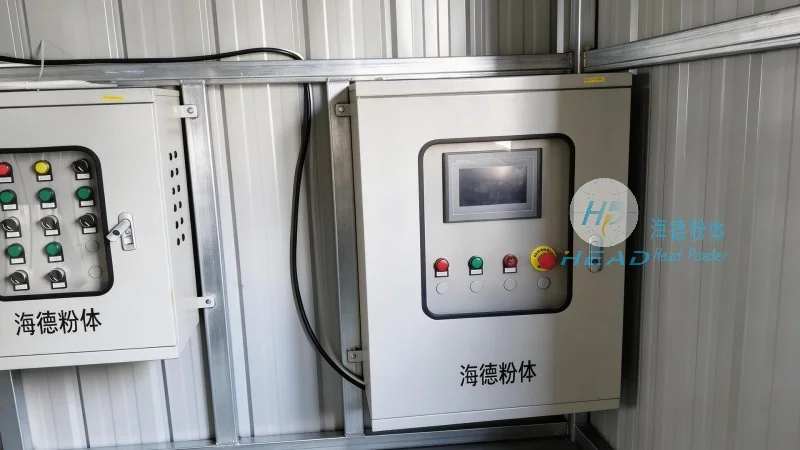
HeadPowder: Specialized Solutions for Silica Fume Handling
HeadPowder, a leading provider of material handling solutions, specializes in designing and manufacturing systems tailored to the unique requirements of silica fume and other fine powders. With years of experience in the industry, HeadPowder understands the challenges associated with handling silica fume and has developed advanced systems that address these challenges effectively. The company's systems are engineered to provide high efficiency, reliability, and safety, ensuring that clients can meet their production targets while maintaining compliance with industry standards and regulations.
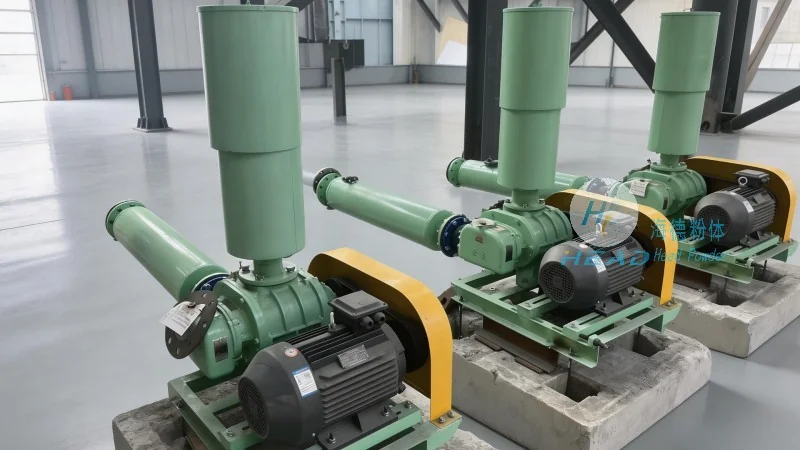
Performance Benefits of a Well-Designed System
The performance of a silica fume material handling system is directly related to its design and components. A well-designed system can achieve high throughput rates, reduce material loss, and minimize downtime. The use of wear-resistant materials and proper flow control mechanisms ensures that the system operates efficiently over long periods, reducing maintenance costs and extending equipment life. Additionally, the integration of dust control systems not only improves safety but also helps maintain the quality of the silica fume by preventing contamination from external sources. Overall, a properly designed silica fume material handling system provides significant benefits to construction and industrial operations, including improved productivity, reduced operational costs, and enhanced product quality.
Conclusion
In conclusion, a silica fume material handling system is a critical component of any facility that processes or uses silica fume. The design principles, including material selection, dust control, and flow management, are essential to ensure the system operates efficiently and safely. Companies like Shandong HeadPowder Engineering Co., Ltd. play a vital role in providing customized solutions that meet the specific needs of clients, helping them achieve their operational goals while maintaining high standards of performance and safety.