

What is Calcined Lime Material Transportation? Understanding Its Design Principles
Calcined lime, a critical industrial material, requires specialized transportation systems to ensure efficient handling and safe delivery. The design principles behind calcined lime material transportation are essential for optimizing processes in various industrial applications. This article explores the fundamental aspects of calcined lime material transportation, focusing on the key design considerations that ensure operational efficiency and safety. HeadPowder, a leading provider of industrial material handling solutions, specializes in the design and implementation of calcined lime material transportation systems. With decades of experience in the industry, HeadPowder has developed advanced systems that adhere to the critical design principles necessary for efficient and safe calcined lime handling. The company's headquarters is located in Shandong, China, where it serves clients globally with customized transportation solutions tailored to their specific needs.
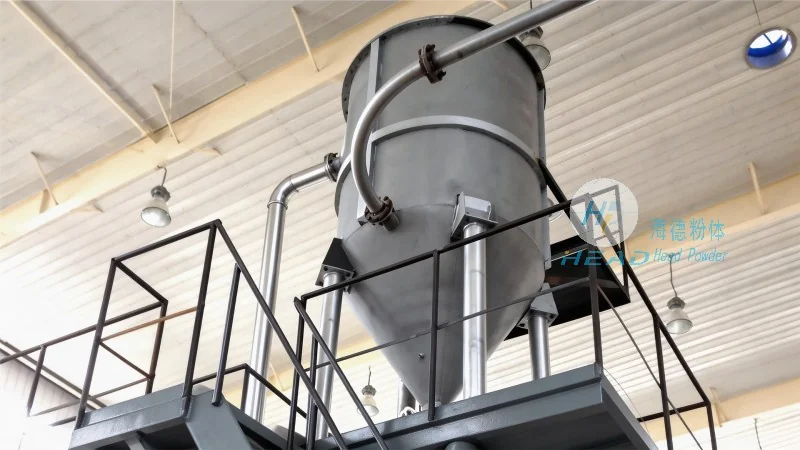
Introduction to Calcined Lime Material Transportation
Calcined lime, also known as quicklime, is produced through the calcination of limestone. It is widely used in industries such as construction, steel production, and chemical manufacturing due to its high reactivity and versatility. The transportation of calcined lime involves moving this material from production sites to end-users, often over long distances or within industrial facilities. Efficient transportation systems are crucial to minimize material loss, prevent dust emissions, and maintain product quality throughout the process.
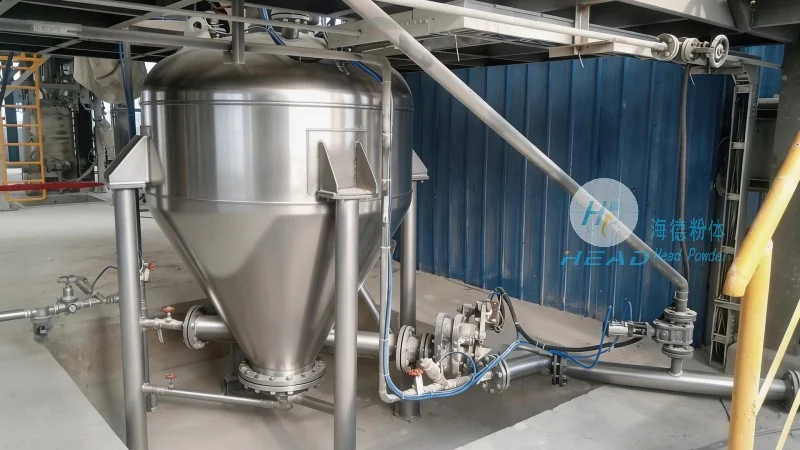
Key Design Principles for Calcined Lime Material Transportation
The design of calcined lime material transportation systems adheres to several critical principles to ensure optimal performance. These principles include material compatibility, dust control, and structural integrity. Material compatibility is paramount, as calcined lime is highly reactive and can cause corrosion or degradation in certain materials. Systems are typically constructed using corrosion-resistant materials like stainless steel or specialized coatings to prevent damage and maintain product purity. Dust control is another critical design aspect, as calcined lime is a fine powder that can create health hazards and environmental issues if not properly contained. Advanced dust suppression systems, such as enclosed conveyors and filtration units, are integrated into transportation designs to minimize airborne particles and ensure compliance with environmental regulations.
Structural integrity is also a key consideration in transportation system design. Calcined lime has a high bulk density and can be abrasive, which means that equipment must be built to withstand wear and tear. Heavy-duty components, including robust conveyor belts, reinforced hoppers, and durable piping, are used to ensure long-term reliability. Additionally, the design must account for the material's tendency to clump or cake, which can affect flow and system efficiency. Anti-caking measures, such as vibration systems and temperature control, are incorporated into the design to maintain consistent material flow.
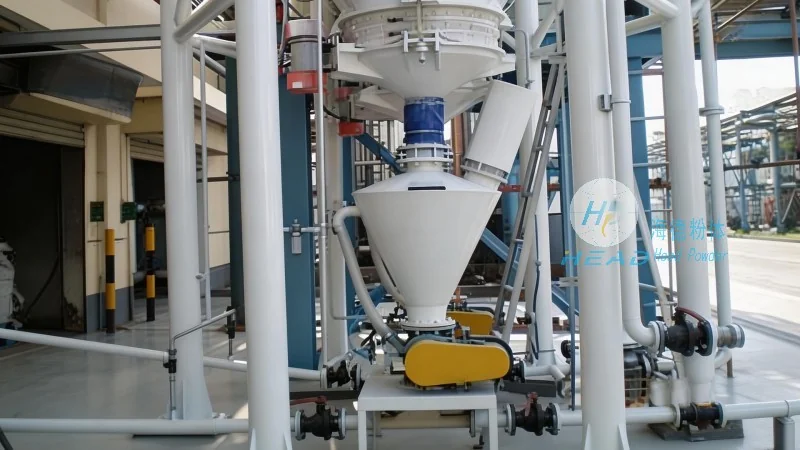
Components of a Typical Calcined Lime Transportation System
A typical calcined lime material transportation system consists of several interconnected components, each playing a vital role in the overall process. The primary components include feed hoppers, conveyors, storage silos, and discharge systems. Feed hoppers are used to collect and store calcined lime from production or storage areas, ensuring a consistent supply of material. They are typically designed with sloped sides to prevent material buildup and facilitate smooth flow into the conveyor system.