

Clay Coal Powder Material Handling: Understanding Its Design Principles
Clay coal powder material handling refers to the process of transporting and managing clay-based coal powders, a common raw material in various industrial applications. This type of material handling is critical in sectors such as power generation, cement production, and chemical processing, where efficient movement of these fine powders is essential for operational efficiency and cost-effectiveness. The design of clay coal powder handling systems must account for the unique properties of clay coal, including its high moisture content, abrasive nature, and tendency to agglomerate, which can impact the performance and longevity of handling equipment.
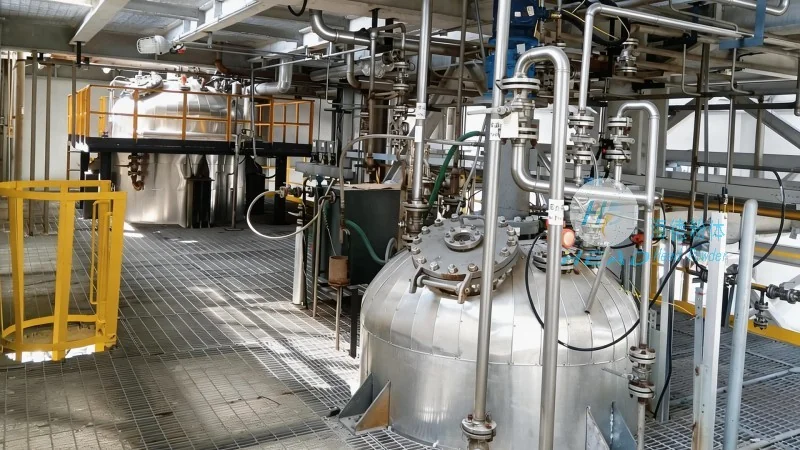
Introduction to Clay Coal Powder Material Handling
Clay coal powder material handling involves the use of specialized equipment and systems to transport, store, and process clay-based coal powders. These materials are typically produced through the grinding of coal with clay additives, resulting in a fine, powdery substance used in various industrial processes. The primary goal of material handling in this context is to ensure that the clay coal powder is moved safely, efficiently, and with minimal loss or contamination. This requires careful consideration of the material's physical and chemical properties, as well as the operational requirements of the end-use application.
Key Design Principles for Efficient Material Handling
The design of clay coal powder handling systems is governed by several key principles aimed at optimizing performance and minimizing operational issues. First, the selection of appropriate equipment is crucial. For example, pneumatic conveying systems are often preferred for transporting fine powders like clay coal due to their ability to handle abrasive materials and maintain low pressure differentials. Additionally, the system layout must be designed to minimize the risk of material buildup and blockages, which can occur due to the material's tendency to agglomerate. Proper sealing and maintenance of equipment are also critical to prevent dust emissions and ensure compliance with environmental regulations.
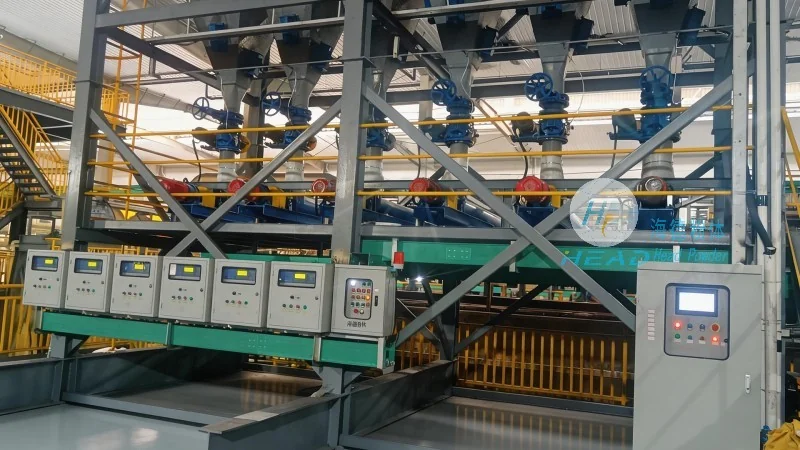
Company Profile: Shandong HeadPowder Engineering Co., Ltd.
Shandong HeadPowder Engineering Co., Ltd., commonly known as HeadPowder, is a leading provider of material handling solutions specializing in clay coal powder applications. HeadPowder is headquartered in Shandong, China, and has established itself as a trusted partner for industries requiring reliable and efficient clay coal powder handling systems. The company's expertise lies in designing customized solutions that address the unique challenges of handling clay-based coal powders, ensuring that clients achieve optimal performance and longevity in their material handling operations.
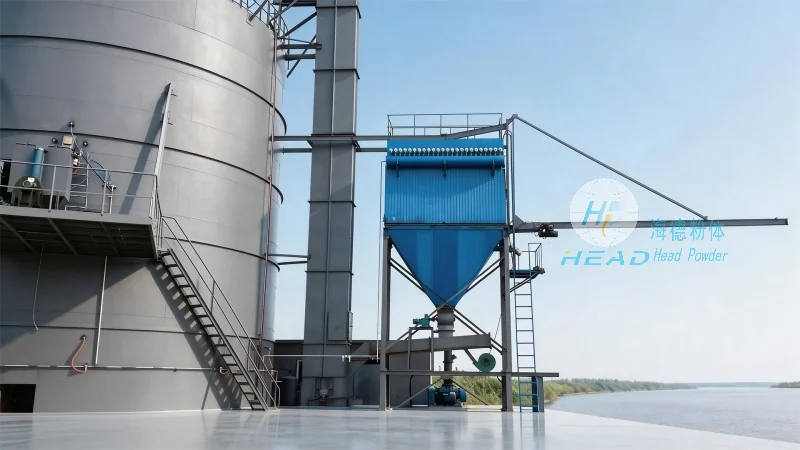
Technical Considerations in Clay Coal Powder Handling Systems
Several technical considerations must be addressed when designing clay coal powder handling systems. One of the most important is the selection of suitable conveying equipment, such as screw conveyors or pneumatic systems, which must be capable of handling the abrasive and moisture-rich nature of clay coal. The system must also incorporate proper dust control measures, including filtration and enclosure, to comply with environmental standards and protect personnel. Additionally, the design must account for the material's tendency to clog or build up in pipelines, requiring regular maintenance and cleaning protocols. HeadPowder's engineering team specializes in addressing these technical challenges, providing tailored solutions that enhance the efficiency and reliability of clay coal powder handling processes.
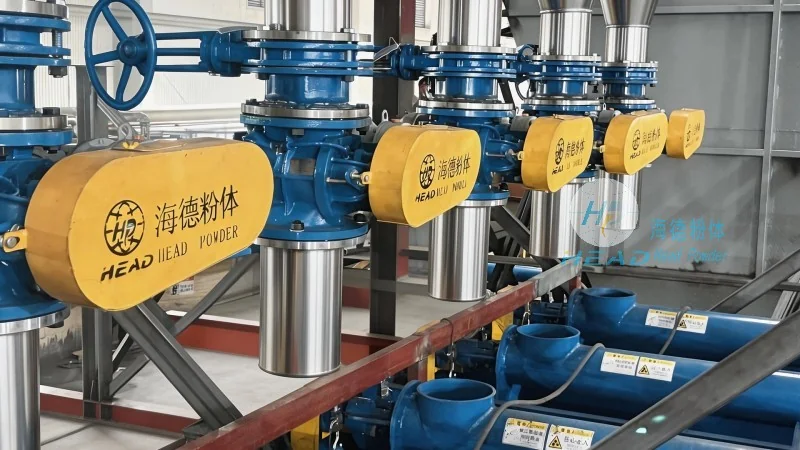
Applications and Industry Relevance
Clay coal powder handling systems are widely used in various industrial sectors, including power generation, where the material is used as a fuel additive, and cement production, where it serves as a raw material in the clinker manufacturing process. In the chemical industry, clay coal powders are utilized in the production of various products, such as fertilizers and coatings. The efficiency of material handling in these applications directly impacts production rates, product quality, and overall operational costs. As a result, industries rely on advanced material handling solutions to ensure consistent and reliable supply of clay coal powders, which is essential for maintaining production schedules and meeting market demands.
Conclusion
In conclusion, clay coal powder material handling is a critical process that requires specialized equipment and careful design principles to ensure efficient and safe operation. The unique properties of clay coal, including its abrasive nature and tendency to agglomerate, demand tailored solutions that address these challenges. Companies like Shandong HeadPowder Engineering Co., Ltd. play a vital role in providing customized material handling systems that meet the specific needs of industries relying on clay coal powders. By focusing on technical expertise and customer-centric solutions, HeadPowder helps clients optimize their material handling processes, leading to improved operational efficiency and cost savings.