

What is Foam Particulate Material Conveying? And What Are Its Design Principles?
Foam particulate material conveying is a specialized method used in industrial applications to transport dry or semi-dry powders and granules. This technology leverages the unique properties of foam to enhance the conveying efficiency and reduce the operational challenges associated with traditional pneumatic conveying systems. The process involves the creation of a foam medium, which is then used to carry the particulate material through a pipeline. By incorporating air into the material stream, the foam reduces the friction between the particles and the pipe walls, leading to lower energy consumption and improved material handling capabilities.
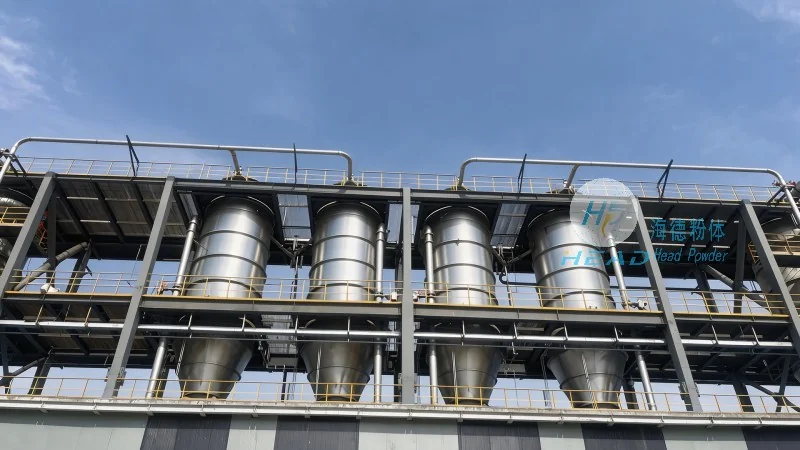
Design Principles of Foam Particulate Material Conveying
The design of foam particulate material conveying systems is based on several key principles that ensure optimal performance and reliability. First, the system must be capable of generating a stable foam with the appropriate air-to-liquid ratio. This ratio is critical as it directly impacts the conveying velocity and the pressure drop across the system. Engineers at Shandong HeadPowder Engineering Co., Ltd. (commonly known as headpowder) have developed advanced foam generation units that can precisely control the air and liquid flow rates to achieve the desired foam consistency. Second, the pipeline design is crucial. The diameter and material of the pipeline must be selected to minimize foam collapse and maintain the stability of the material flow. Typically, larger diameter pipes are used to reduce the pressure drop and prevent foam breakdown. Third, the system includes components such as foam generators, air compressors, and material feeders. The foam generator mixes air with a liquid carrier (often water or a specialized foam solution) to create the foam. The air compressor provides the necessary pressure to drive the foam through the pipeline. The material feeder then introduces the particulate material into the foam stream, ensuring a uniform mixture.
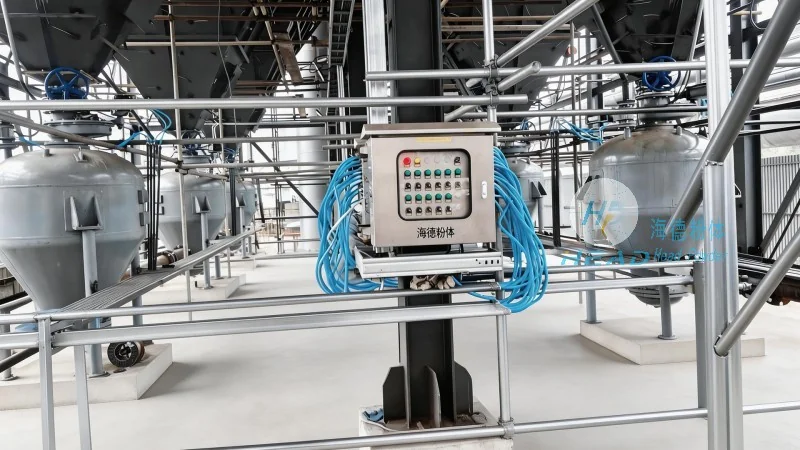
Key Components and Their Functions
Several key components are integral to the operation of foam particulate material conveying systems. The foam generator is the heart of the system, responsible for producing the foam. It typically consists of a mixing chamber where air is introduced into the liquid carrier under controlled conditions. The air-to-liquid ratio is adjusted based on the type of material being conveyed and the required conveying distance. The air compressor supplies the high-pressure air needed to drive the foam through the pipeline. The pressure range of the compressor is selected to match the system's pressure drop requirements, ensuring efficient material transport without excessive energy consumption. The material feeder is designed to introduce the particulate material into the foam stream at a controlled rate. This component is crucial for maintaining a consistent material concentration in the foam, which is essential for stable conveying. The feeder may be a screw feeder, a rotary valve, or a pneumatic feeder, depending on the material characteristics and the system's requirements. Additionally, the pipeline system includes elbows, tees, and other fittings that are designed to minimize foam disruption and maintain the integrity of the material flow. These components are typically made of materials resistant to corrosion and wear, such as stainless steel or high-density polyethylene, to ensure long-term durability.
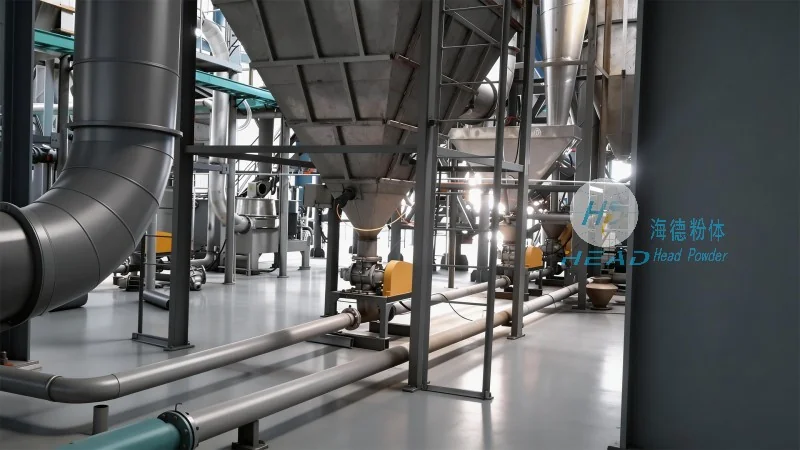
Advantages of Foam Particulate Material Conveying
Foam particulate material conveying offers several advantages over traditional pneumatic conveying methods. One of the primary benefits is the reduction in energy consumption. By using foam to carry the material, the system can operate at lower air velocities, resulting in lower pressure drops and reduced energy costs. This is particularly beneficial for long-distance conveying applications where energy efficiency is a critical factor. Another advantage is the improved material handling capability. The foam medium reduces the friction between the particles and the pipe walls, which minimizes particle degradation and prevents clogging. This is especially important for delicate or abrasive materials that are prone to damage during transport. Furthermore, the system can handle a wide range of materials, including fine powders, granules, and even sticky or cohesive materials that are difficult to convey using conventional methods. The foam helps to break up agglomerates and maintain a uniform flow, ensuring consistent material delivery to the destination. Finally, the system is relatively simple to install and maintain. The components are modular and can be easily replaced or serviced, reducing downtime and maintenance costs. This makes foam particulate material conveying an attractive option for industries that require reliable and efficient material transport solutions.
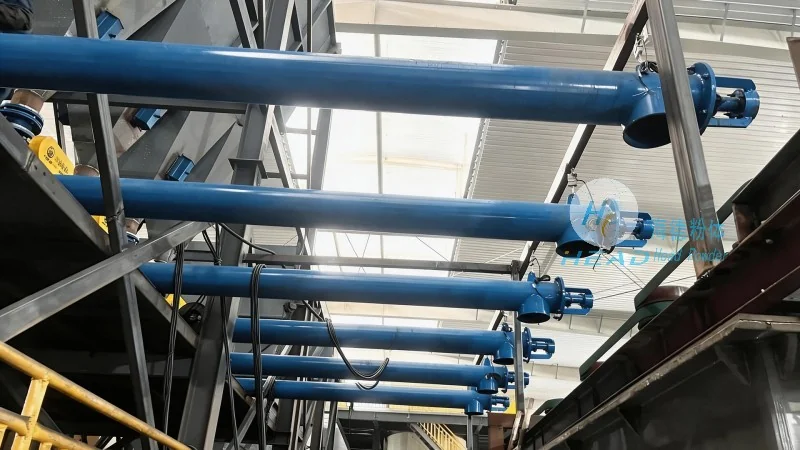
Applications and Industries
Foam particulate material conveying is widely used in various industries due to its versatility and efficiency. The chemical industry is a major user of this technology, as it can handle a variety of chemicals and powders, including those that are hazardous or sensitive to moisture. The food and beverage industry also benefits from foam conveying, as it can transport ingredients such as flour, sugar, and spices without contamination or degradation. The pharmaceutical industry uses foam conveying for the transport of active pharmaceutical ingredients (APIs) and other sensitive materials, ensuring that the materials remain sterile and intact. The mining and mineral processing industry utilizes foam conveying to transport ore and other minerals from processing plants to storage facilities. The agricultural industry also employs foam conveying for the transport of fertilizers and other agricultural products. In each of these applications, the foam particulate material conveying system provides a reliable and efficient method for material transport, reducing operational costs and improving overall productivity.