

What is Shredded Paper Material Conveying? What Are the Design Principles?
Shredded paper material conveying systems are integral to modern waste management and recycling operations, facilitating the efficient transport of processed paper materials from one processing stage to another. For businesses involved in paper recycling, understanding the mechanics and design principles behind these systems is crucial for optimizing operational efficiency and ensuring compliance with industry standards. This article delves into the concept of shredded paper material conveying, exploring its key components, operational dynamics, and the underlying design principles that govern its functionality.
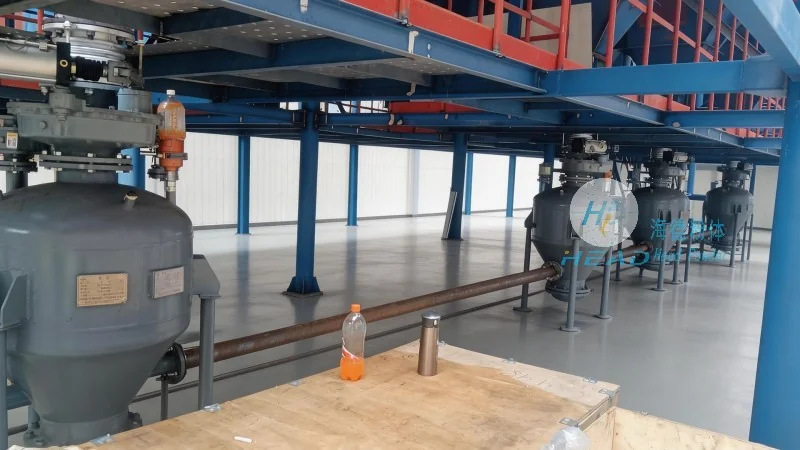
Key Components of Shredded Paper Material Conveying Systems
At the core of shredded paper material conveying are several critical components that work in tandem to ensure smooth material transport. The primary elements include feed mechanisms, conveyor belts or rollers, control systems, and collection or discharge units. The feed mechanism is responsible for introducing shredded paper into the system, often using gravity or mechanical feeders to ensure a consistent flow. Conveyor belts or rollers then transport the material along the designated path, with the design of the belt or roller surface being tailored to the specific characteristics of shredded paper—such as texture, moisture content, and size—to prevent slippage and ensure stable movement. Control systems, typically integrated with sensors and automation technology, monitor the flow rate, detect blockages, and adjust the conveyor speed as needed to maintain optimal performance. Finally, collection or discharge units are used to remove the material from the system, either for further processing or disposal, depending on the operational requirements.
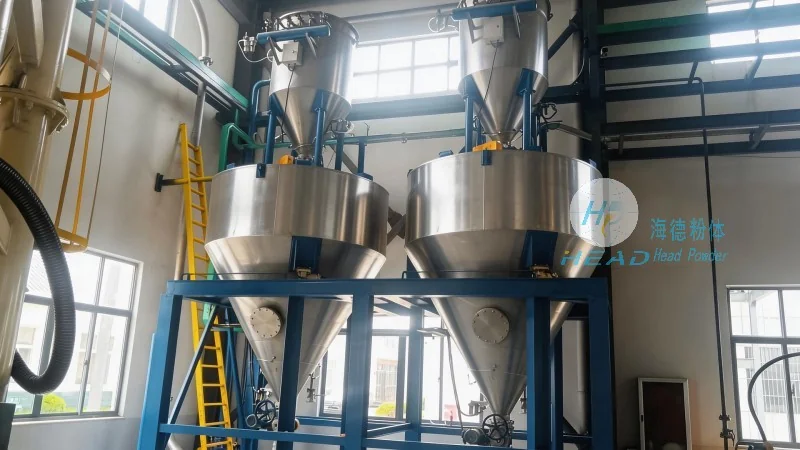
Design Principles for Efficient Shredded Paper Conveying
The design of shredded paper material conveying systems is guided by several key principles aimed at maximizing efficiency, minimizing downtime, and ensuring the durability of the equipment. One of the fundamental principles is the principle of gravity-assisted flow, where the system is designed to utilize the natural slope of the conveyor to reduce the need for excessive mechanical power. This not only lowers energy consumption but also minimizes wear and tear on the conveyor components. Another critical principle is the selection of appropriate conveyor materials, which must be resistant to the abrasive nature of shredded paper and capable of withstanding moisture and potential contaminants. For instance, materials like rubber or specialized plastic composites are commonly used for conveyor belts to provide both traction and durability. Additionally, the system design incorporates features to prevent material buildup and blockages, such as incline angles, cleaning mechanisms, and sensor-based alerts. These features help maintain consistent flow rates and reduce the risk of system failures, thereby enhancing overall operational reliability.

Operational Considerations and Best Practices
Effective operation of shredded paper material conveying systems requires adherence to best practices that align with the design principles and material characteristics. Regular maintenance is a non-negotiable aspect, as it ensures that components like belts, rollers, and control systems remain in optimal condition. This includes routine inspections for wear and tear, lubrication of moving parts, and cleaning of conveyor surfaces to prevent the accumulation of paper debris. Furthermore, the system should be designed with scalability in mind, allowing for adjustments to accommodate varying volumes of shredded paper or changes in processing requirements. This flexibility is particularly important for businesses that experience fluctuations in production or need to adapt to new recycling technologies. Another best practice is the integration of monitoring systems that provide real-time data on system performance, such as flow rates, energy consumption, and potential issues. This data enables proactive maintenance and quick resolution of problems, minimizing downtime and maximizing productivity. By following these operational guidelines, businesses can ensure that their shredded paper material conveying systems operate at peak efficiency, contributing to overall cost savings and sustainability goals.
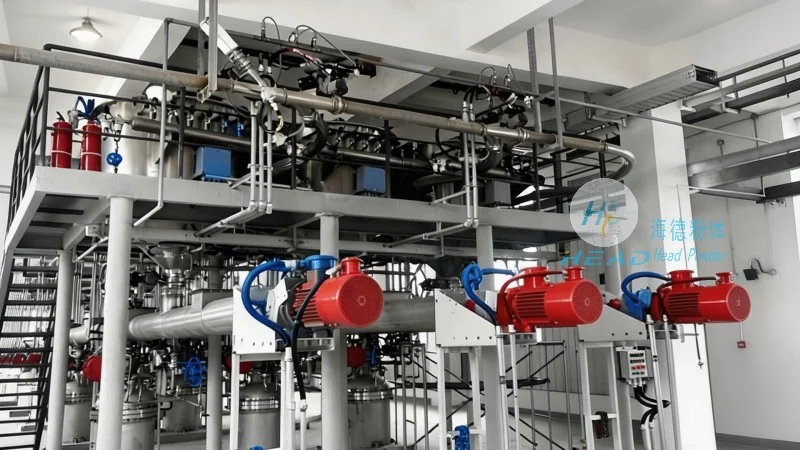
Conclusion: The Role of Shredded Paper Material Conveying in Modern Recycling
Shredded paper material conveying plays a vital role in the modern recycling industry, serving as a critical link between the shredding process and subsequent material processing or disposal. The design principles and components discussed above highlight the importance of tailored engineering to meet the specific demands of shredded paper, ensuring efficient and reliable material transport. For companies like Shandong HeadPowder Engineering Co., Ltd., which specializes in the design and manufacturing of such systems, understanding these principles is essential for delivering high-quality solutions that meet the needs of their clients. As the demand for sustainable waste management practices continues to grow, the importance of efficient shredded paper material conveying will only increase, making it a key area of focus for businesses committed to environmental responsibility and operational excellence.